THE ADVENTURE COLLECTIVE® · Independent discovery and booking for outdoor travel

A compact 5-day circuit from Jaipur’s royal architecture to Ranthambore’s tiger country. Combine morning safaris with afternoons at hill forts and city palaces—best for travelers who want both culture and wildlife in one trip.
A compact 5-day circuit from Jaipur’s royal architecture to Ranthambore’s tiger country. Combine morning safaris with afternoons at hill forts and city palaces—best for travelers who want both culture and wildlife in one trip.
A convoy leaves Jaipur before dawn; the city’s sandstone facades blur as the road climbs toward the Aravalli ridgeline and the landscape opens into scrub, dry deciduous forest and rocky outcrops. Daytime in Jaipur is a sequence of courtyards and carved balconies — the Hawa Mahal’s latticed windows and Amber’s hilltop ramparts — while at the park edge the Ranthambore Fort watches over teak and khair trees.
Verified experiences and guided adventures in the surrounding area.
Operated by Rajasthan Dream Vacations · Jaipur, Rajasthan
A convoy leaves Jaipur before dawn; the city’s sandstone facades blur as the road climbs toward the Aravalli ridgeline and the landscape opens into scrub, dry deciduous forest and rocky outcrops. Daytime in Jaipur is a sequence of courtyards and carved balconies — the Hawa Mahal’s latticed windows and Amber’s hilltop ramparts — while at the park edge the Ranthambore Fort watches over teak and khair trees.
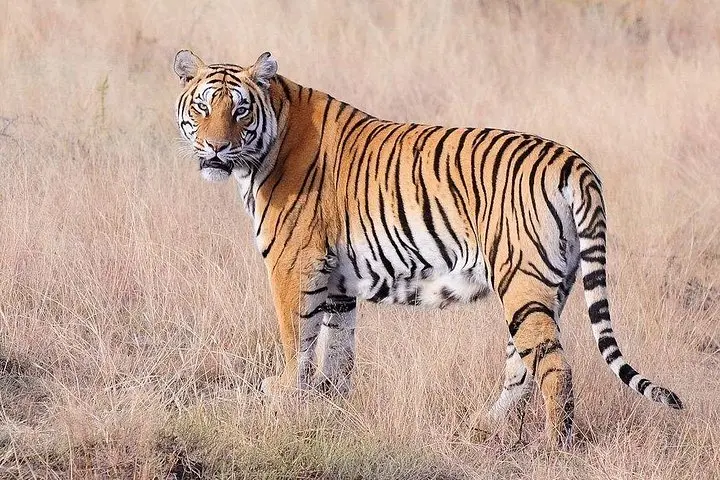
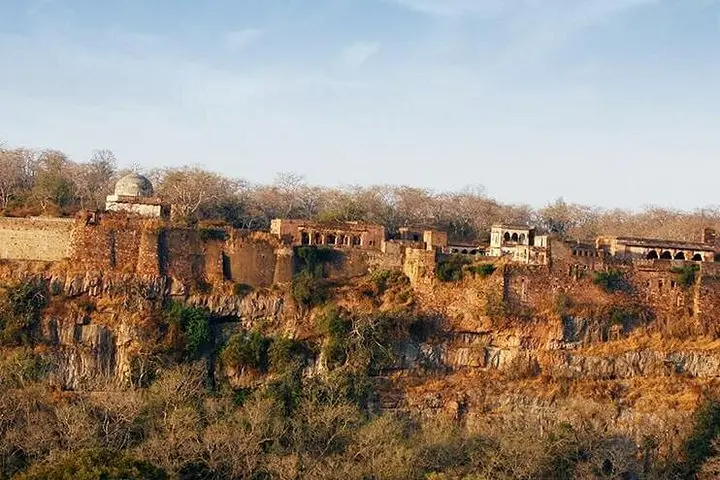
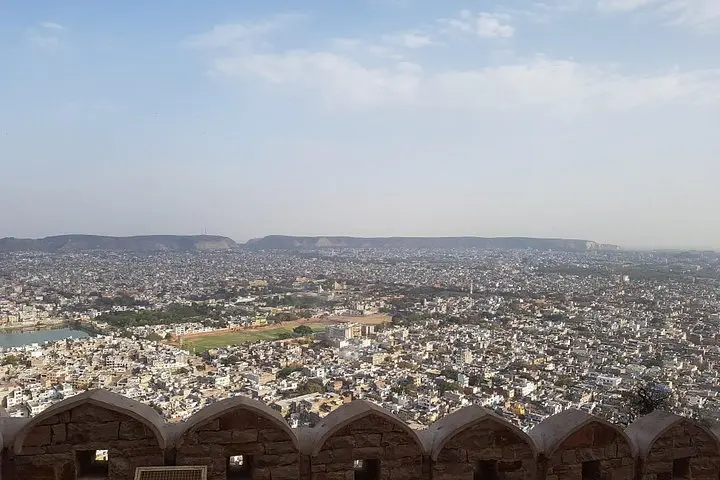
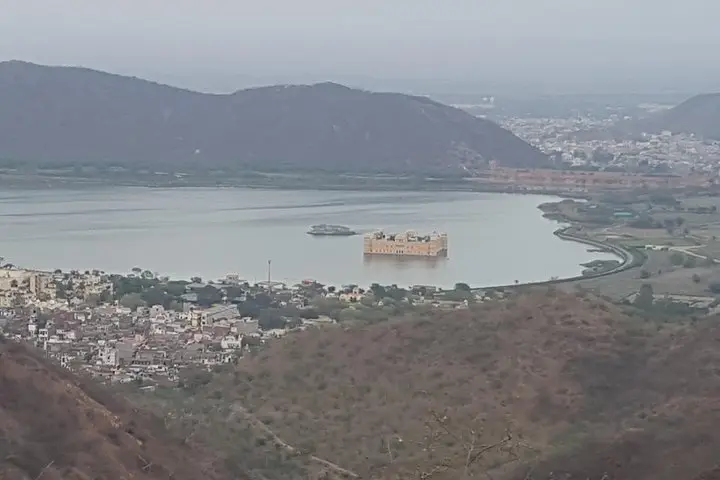
The itinerary pairs two strands of northern India’s story: Mughal-Rajput citycraft in Jaipur (founded in the 18th century by Sawai Jai Singh II) and a working tiger landscape centered on Ranthambore Fort, a 10th-century stronghold within a 392 km² national park. Geology matters here — the Aravallis and Vindhyas frame seasonal waterholes that dictate animal movement; monsoon-fed pools become magnets for wildlife in dry months.
Culture arrives in bazaars, temple rituals at Galtaji and the carved chhatris at Gaitore; in Ranthambore it’s the rhythm of safaris, early checks and patient waits. Expect 3–4 hours by road between Jaipur and Sawai Madhopur (≈150 km) and cool pre-dawn starts for best tiger sightings.
Practical guidance: book licensed jeep or canter safaris well in advance, aim for first light drives, carry sufficient water and sun protection, and bring binoculars and a camera with a mid-telezoom. Footwear should handle short rocky walks at forts and uneven lodge grounds. Respect park rules — stay with your guide, keep noise low and avoid feeding or approaching wildlife.
This tour is straightforward for travelers who want cultural depth plus a disciplined wildlife experience: minimal technical demand, maximum opportunities to see India’s history and its largest predator on its own terms.
Sightings aren’t guaranteed, but booking early-morning safaris and traveling in the cooler months (October–March) increases your odds; guides know current hotspots.
Options often include 3-star hotel stays if selected; confirm at booking whether lodgings on all nights are part of your package.
Road distance is roughly 140–160 km and typically takes 3–4 hours depending on traffic and route.
Children are generally allowed but rules vary by vehicle and park regulations; check age restrictions and seat requirements with the operator before booking.
Rajasthan Dream Vacations operates guided outdoor trips and adventures with an emphasis on safety, stewardship, and memorable experiences.
A convoy leaves Jaipur before dawn; the city’s sandstone facades blur as the road climbs toward the Aravalli ridgeline and the landscape opens into scrub, dry deciduous forest and rocky outcrops. Daytime in Jaipur is a sequence of courtyards and carved balconies — the Hawa Mahal’s latticed windows and Amber’s hilltop ramparts — while at the park edge the Ranthambore Fort watches over teak and khair trees.
A convoy leaves Jaipur before dawn; the city’s sandstone facades blur as the road climbs toward the Aravalli ridgeline and the landscape opens into scrub, dry deciduous forest and rocky outcrops. Daytime in Jaipur is a sequence of courtyards and carved balconies — the Hawa Mahal’s latticed windows and Amber’s hilltop ramparts — while at the park edge the Ranthambore Fort watches over teak and khair trees.
The itinerary pairs two strands of northern India’s story: Mughal-Rajput citycraft in Jaipur (founded in the 18th century by Sawai Jai Singh II) and a working tiger landscape centered on Ranthambore Fort, a 10th-century stronghold within a 392 km² national park. Geology matters here — the Aravallis and Vindhyas frame seasonal waterholes that dictate animal movement; monsoon-fed pools become magnets for wildlife in dry months.
Culture arrives in bazaars, temple rituals at Galtaji and the carved chhatris at Gaitore; in Ranthambore it’s the rhythm of safaris, early checks and patient waits. Expect 3–4 hours by road between Jaipur and Sawai Madhopur (≈150 km) and cool pre-dawn starts for best tiger sightings.
Practical guidance: book licensed jeep or canter safaris well in advance, aim for first light drives, carry sufficient water and sun protection, and bring binoculars and a camera with a mid-telezoom. Footwear should handle short rocky walks at forts and uneven lodge grounds. Respect park rules — stay with your guide, keep noise low and avoid feeding or approaching wildlife.
This tour is straightforward for travelers who want cultural depth plus a disciplined wildlife experience: minimal technical demand, maximum opportunities to see India’s history and its largest predator on its own terms.