THE ADVENTURE COLLECTIVE® · Independent discovery and booking for outdoor travel

Spend a long day from Jaipur into Ranthambore National Park on a shared safari that targets Bengal tiger sightings. This all-inclusive trip includes transport, park entry and a government-certified naturalist for a focused wildlife day.
Spend a long day from Jaipur into Ranthambore National Park on a shared safari that targets Bengal tiger sightings. This all-inclusive trip includes transport, park entry and a government-certified naturalist for a focused wildlife day.
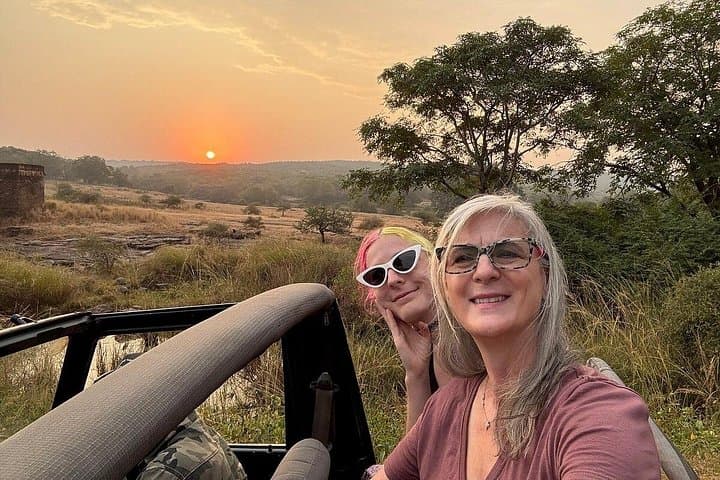
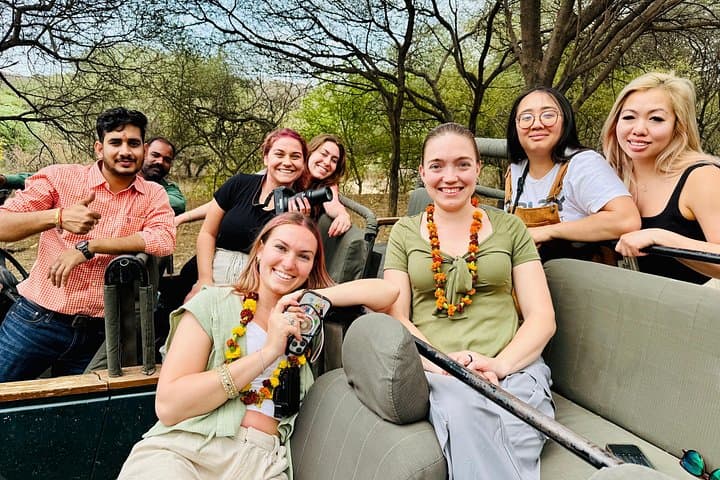
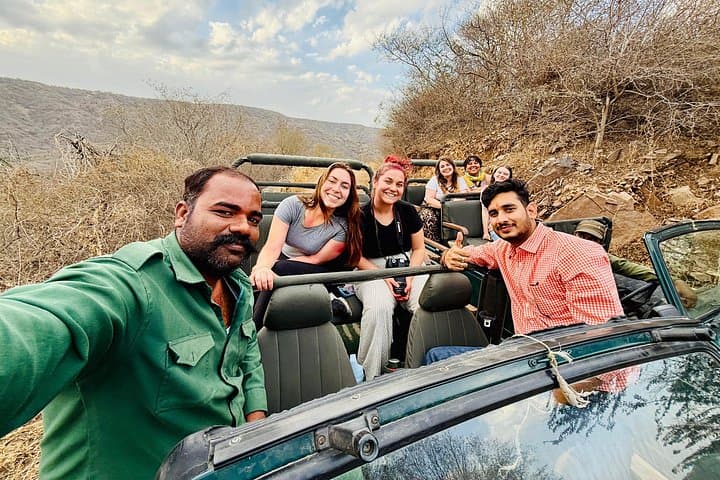
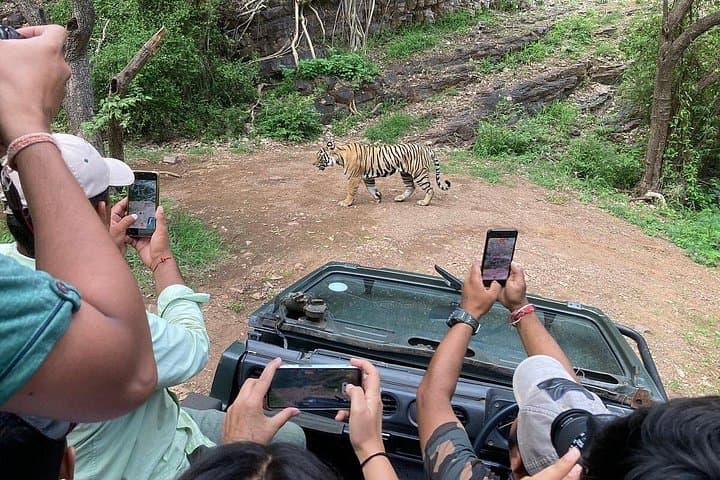
Before dawn you leave Jaipur’s ochre roofs behind and the highway narrows into scrub and stone; by midmorning the forest opens into a patchwork of lakes, granite outcrops and teak groves where the air tastes of dust and heat. Vehicles fan out along sandy tracks, drivers and a government naturalist peering into the trees: this is Ranthambore National Park, where a single sighting can pivot the mood of an entire safari.
Verified experiences and guided adventures in the surrounding area.
Operated by India saying namaste Trips · Sawai Madhopur, Rajasthan
Before dawn you leave Jaipur’s ochre roofs behind and the highway narrows into scrub and stone; by midmorning the forest opens into a patchwork of lakes, granite outcrops and teak groves where the air tastes of dust and heat. Vehicles fan out along sandy tracks, drivers and a government naturalist peering into the trees: this is Ranthambore National Park, where a single sighting can pivot the mood of an entire safari.
Ranthambore was once a royal hunting ground; today the same dry-deciduous landscape protects one of India’s best-known Bengal tiger populations. The park’s low hills and rocky ridges create natural vantage points, while seasonal lakes like Padam Talao gather thirsty deer and the predators that watch them. Nearby, the 10th-century Ranthambore Fort keeps a quiet watch over the reserve’s human history.
Culturally, the park sits near Sawai Madhopur and serves communities that balance tourism with traditional livelihoods; respectful behavior and local guidelines matter. Conservation here is active—Project Tiger protections and regulated jeep and canter safaris control visitor impact.
Practical guidance: this is a long, vehicle-based day (roughly 12 hours) so plan for bumpy rides, intermittent shade, and variable sightings—tigers are wild and often elusive. Bring binoculars, sun protection, and a charged camera. Expect pickup and drop in Jaipur, park entry and a certified naturalist included. Keep voices low, stay inside the vehicle, and follow your guide’s instructions for the best chance of a responsible, memorable encounter with Ranthambore’s wildlife.
Ranthambore is one of the best places in India to see tigers, but sightings are never guaranteed—expect variable visibility and rely on the guide’s local knowledge.
This day trip includes private transportation from Jaipur, park entrance tickets, bottled water, and a government-certified naturalist; vehicle type (jeep or canter) depends on availability.
Children can join; however, check with the operator for age limits and vehicle seating—young children should be supervised and remain in the vehicle.
October to March offers cooler temperatures and clearer skies, while winter mornings often produce the most active sightings; summer can be hot but waterholes concentrate animals.
India saying namaste Trips operates guided outdoor trips and adventures with an emphasis on safety, stewardship, and memorable experiences.
Before dawn you leave Jaipur’s ochre roofs behind and the highway narrows into scrub and stone; by midmorning the forest opens into a patchwork of lakes, granite outcrops and teak groves where the air tastes of dust and heat. Vehicles fan out along sandy tracks, drivers and a government naturalist peering into the trees: this is Ranthambore National Park, where a single sighting can pivot the mood of an entire safari.
Before dawn you leave Jaipur’s ochre roofs behind and the highway narrows into scrub and stone; by midmorning the forest opens into a patchwork of lakes, granite outcrops and teak groves where the air tastes of dust and heat. Vehicles fan out along sandy tracks, drivers and a government naturalist peering into the trees: this is Ranthambore National Park, where a single sighting can pivot the mood of an entire safari.
Ranthambore was once a royal hunting ground; today the same dry-deciduous landscape protects one of India’s best-known Bengal tiger populations. The park’s low hills and rocky ridges create natural vantage points, while seasonal lakes like Padam Talao gather thirsty deer and the predators that watch them. Nearby, the 10th-century Ranthambore Fort keeps a quiet watch over the reserve’s human history.
Culturally, the park sits near Sawai Madhopur and serves communities that balance tourism with traditional livelihoods; respectful behavior and local guidelines matter. Conservation here is active—Project Tiger protections and regulated jeep and canter safaris control visitor impact.
Practical guidance: this is a long, vehicle-based day (roughly 12 hours) so plan for bumpy rides, intermittent shade, and variable sightings—tigers are wild and often elusive. Bring binoculars, sun protection, and a charged camera. Expect pickup and drop in Jaipur, park entry and a certified naturalist included. Keep voices low, stay inside the vehicle, and follow your guide’s instructions for the best chance of a responsible, memorable encounter with Ranthambore’s wildlife.