THE ADVENTURE COLLECTIVE® · Independent discovery and booking for outdoor travel

Leave Jaipur at dawn for a full-day wildlife run to Ranthambore National Park—three hours of drive, a 3-hour jeep safari, and a stop at the hilltop Ranthambore Fort. This practical guide covers what to expect, when to go, and how to prepare for a day among Bengal tigers and rugged Rajasthani landscapes.
Leave Jaipur at dawn for a full-day wildlife run to Ranthambore National Park—three hours of drive, a 3-hour jeep safari, and a stop at the hilltop Ranthambore Fort. This practical guide covers what to expect, when to go, and how to prepare for a day among Bengal tigers and rugged Rajasthani landscapes.
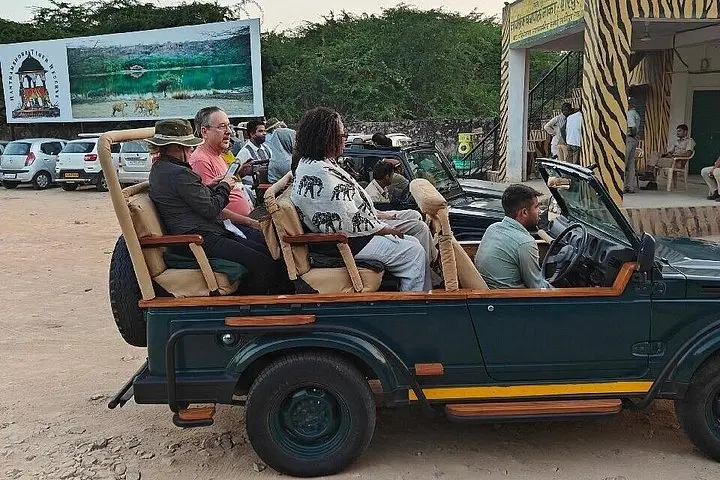
Morning light thins across the arid plains as a private Maruti Gypsy pulls out of Jaipur, the road pushing you through patches of scrub and ancient sandstone villages toward Ranthambore. The three-and-a-half-hour drive softens the city’s bustle; acacia and khair trees grow sparse, then dense, and suddenly the park’s ridgelines appear—rocky outcrops rising above tall grass where tiger tracks cut faint lines.
Verified experiences and guided adventures in the surrounding area.
Operated by Welcome India Tour - Day Tours · Sawai Madhopur, Rajasthan
Morning light thins across the arid plains as a private Maruti Gypsy pulls out of Jaipur, the road pushing you through patches of scrub and ancient sandstone villages toward Ranthambore. The three-and-a-half-hour drive softens the city’s bustle; acacia and khair trees grow sparse, then dense, and suddenly the park’s ridgelines appear—rocky outcrops rising above tall grass where tiger tracks cut faint lines.
Ranthambore sits on the Deccan plateau’s northern edge, its granite outcrops and dry deciduous forest shaped by monsoon rhythms and centuries of human history. The 10th–17th century Ranthambore Fort crowns a hill within the reserve, a UNESCO site that once watched over trade routes and hunting grounds of Maharajas. Today the fort offers panoramic views into zones where tigers and sloth bears still move through seasonally flooded marshes and dry riverbeds.
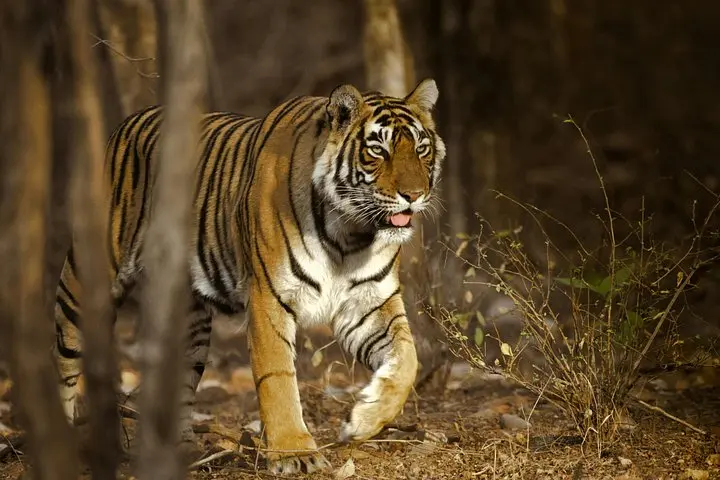
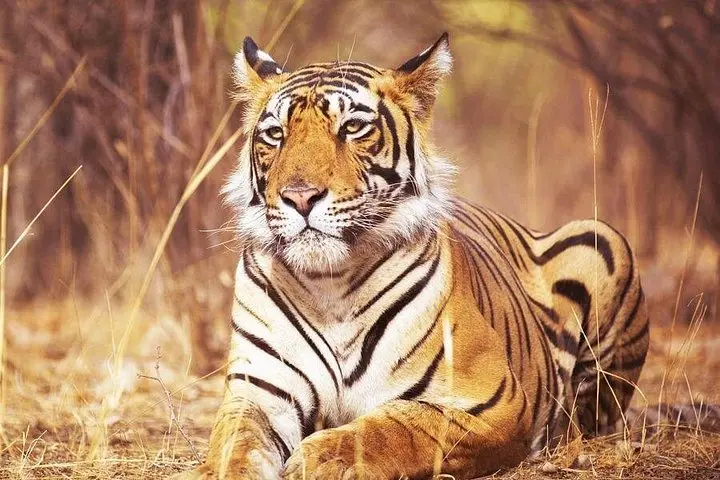
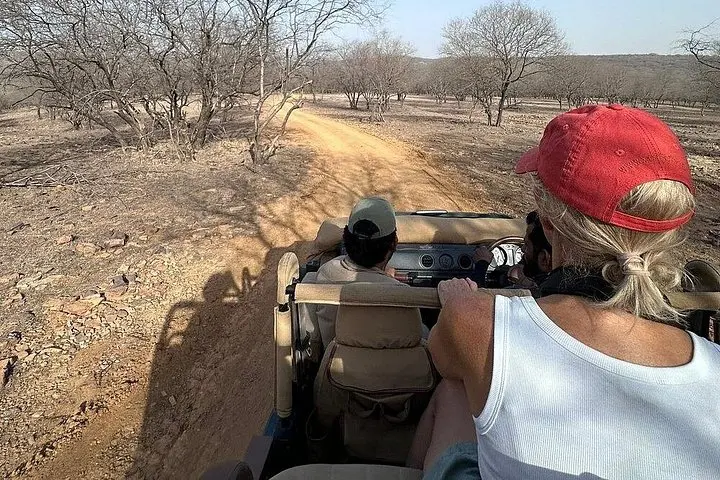
On safari, expect 3-hour game drives in a sharing Jeep or 20–30‑seat Canter; sightings are never guaranteed but early morning and late afternoon drives concentrate wildlife activity. Spotting a Bengal tiger is the highlight, though leopards, hyenas, nilgai and marsh-loving crocodiles are regularly seen.
Practicalities matter: bring a copy of your passport and any required ID, book safaris well in advance during peak season, and plan for an 8–10 hour day including transfers. Dress in muted colors, carry water and sun protection, and keep camera batteries charged—windows are open, dust is real, and the park rewards patience more than speed.
Expect about 3 to 3.5 hours each way (roughly 180 km) depending on traffic and exact pickup point.
No—Ranthambore is wild habitat and sightings depend on animal movement; peak season and early morning/late afternoon safaris improve chances.
Jeeps seat 6–8 passengers and access narrower trails; Canters are 20–30 seat open trucks better for groups but can be less maneuverable near dense cover.
Yes; the tour is physically easy, but check seat availability and inform operators of any mobility needs—infants must sit on laps.
Welcome India Tour - Day Tours operates guided outdoor trips and adventures with an emphasis on safety, stewardship, and memorable experiences.
Morning light thins across the arid plains as a private Maruti Gypsy pulls out of Jaipur, the road pushing you through patches of scrub and ancient sandstone villages toward Ranthambore. The three-and-a-half-hour drive softens the city’s bustle; acacia and khair trees grow sparse, then dense, and suddenly the park’s ridgelines appear—rocky outcrops rising above tall grass where tiger tracks cut faint lines.
Morning light thins across the arid plains as a private Maruti Gypsy pulls out of Jaipur, the road pushing you through patches of scrub and ancient sandstone villages toward Ranthambore. The three-and-a-half-hour drive softens the city’s bustle; acacia and khair trees grow sparse, then dense, and suddenly the park’s ridgelines appear—rocky outcrops rising above tall grass where tiger tracks cut faint lines.
Ranthambore sits on the Deccan plateau’s northern edge, its granite outcrops and dry deciduous forest shaped by monsoon rhythms and centuries of human history. The 10th–17th century Ranthambore Fort crowns a hill within the reserve, a UNESCO site that once watched over trade routes and hunting grounds of Maharajas. Today the fort offers panoramic views into zones where tigers and sloth bears still move through seasonally flooded marshes and dry riverbeds.
On safari, expect 3-hour game drives in a sharing Jeep or 20–30‑seat Canter; sightings are never guaranteed but early morning and late afternoon drives concentrate wildlife activity. Spotting a Bengal tiger is the highlight, though leopards, hyenas, nilgai and marsh-loving crocodiles are regularly seen.
Practicalities matter: bring a copy of your passport and any required ID, book safaris well in advance during peak season, and plan for an 8–10 hour day including transfers. Dress in muted colors, carry water and sun protection, and keep camera batteries charged—windows are open, dust is real, and the park rewards patience more than speed.