THE ADVENTURE COLLECTIVE® · Independent discovery and booking for outdoor travel

Take a full-day transfer from Jaipur to Ranthambore for an afternoon canter safari through one of India’s best tiger reserves. Expect a long travel day, mandatory ID checks, and a guided wildlife experience that prioritizes safety and conservation.
Take a full-day transfer from Jaipur to Ranthambore for an afternoon canter safari through one of India’s best tiger reserves. Expect a long travel day, mandatory ID checks, and a guided wildlife experience that prioritizes safety and conservation.
Dawn leaves Jaipur before you do: an air-conditioned car moves east across flat, sun-baked plains while scrubby acacias and village fields slip past the window. After roughly three hours on the highway the road narrows, the trees thicken, and Ranthambore’s granite outcrops appear like stern watchmen on the horizon. The canter rumbles into the park gate and the forest—part dry deciduous and part seasonal wetland—immediately rearranges your senses: birdcalls puncture the quiet, grasses lean as if nudging you forward, and every scent seems intent on telling a story.
Verified experiences and guided adventures in the surrounding area.
Operated by Jaipur Day Tours · Sawai Madhopur, Rajasthan
Dawn leaves Jaipur before you do: an air-conditioned car moves east across flat, sun-baked plains while scrubby acacias and village fields slip past the window. After roughly three hours on the highway the road narrows, the trees thicken, and Ranthambore’s granite outcrops appear like stern watchmen on the horizon. The canter rumbles into the park gate and the forest—part dry deciduous and part seasonal wetland—immediately rearranges your senses: birdcalls puncture the quiet, grasses lean as if nudging you forward, and every scent seems intent on telling a story.
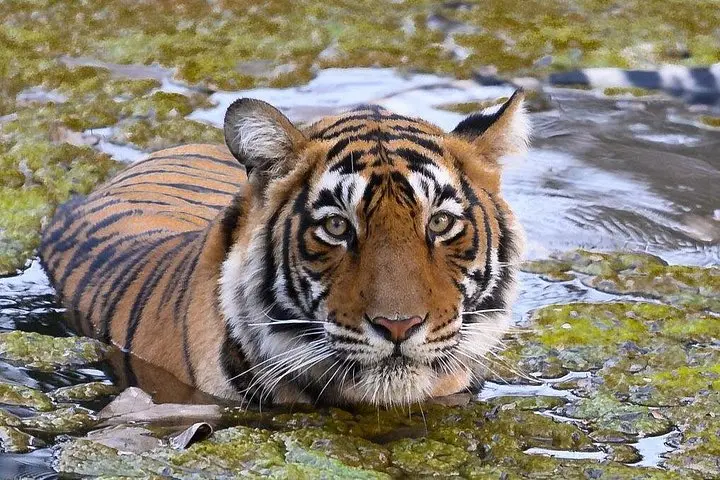
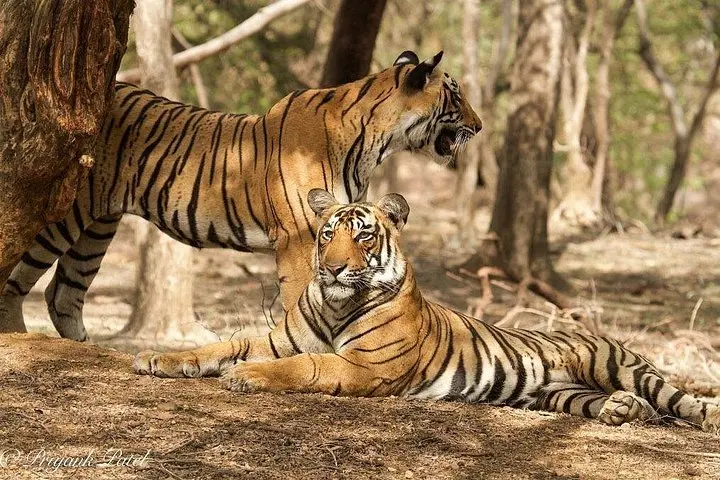
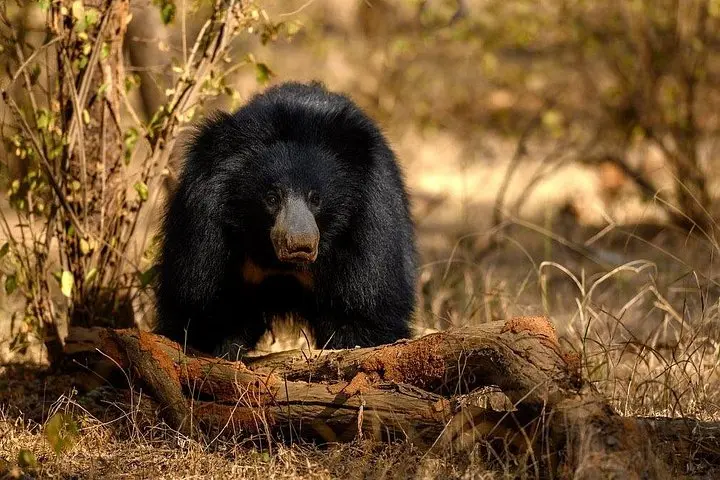
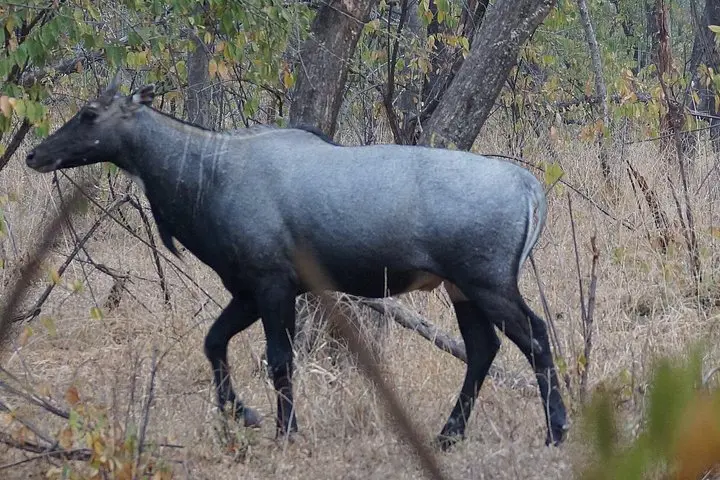
Ranthambore began as royal hunting grounds and was designated a tiger reserve under Project Tiger in 1973; the landscape is a mix of rocky fort hills, shallow lakes, and dense scrub that supports deer, bears, crocodiles and the park’s flagship, the Bengal tiger. Local culture around Sawai Madhopur blends Rajasthani village life with conservation-driven tourism—expect checkpoints, ID checks for foreigners, and zone allocations handled by forest officials.
Practically: this is a long day (about 10–11 hours total). Safaris run early morning and mid/late afternoon and last roughly 2½ hours; this tour schedules a single afternoon canter safari. Zones are assigned by park authorities, and sightings are never guaranteed. Bring binoculars, a telephoto lens, plenty of water, sun protection and layered clothing for changing temperatures. Stay in the vehicle, follow your naturalist’s instructions, and budget time for check-in and travel. The pay-off is immediate when the forest parts and a tiger steps into the light—raw, alert, and utterly present.
No—tiger sightings cannot be guaranteed; animals move freely and sightings depend on luck, timing, zone allocation and animal behavior.
The park runs two main safari windows (early morning and mid/late afternoon), and each drive lasts about 2½ hours; this tour includes an afternoon canter safari after arrival.
Yes—passport details are mandatory for foreign tourists when booking and checking in for safaris, so carry your passport or a copy as instructed.
Yes—jeep safaris can often be arranged for an additional fee, but availability depends on park allocations and must be requested in advance through the operator.
Jaipur Day Tours operates guided outdoor trips and adventures with an emphasis on safety, stewardship, and memorable experiences.
Dawn leaves Jaipur before you do: an air-conditioned car moves east across flat, sun-baked plains while scrubby acacias and village fields slip past the window. After roughly three hours on the highway the road narrows, the trees thicken, and Ranthambore’s granite outcrops appear like stern watchmen on the horizon. The canter rumbles into the park gate and the forest—part dry deciduous and part seasonal wetland—immediately rearranges your senses: birdcalls puncture the quiet, grasses lean as if nudging you forward, and every scent seems intent on telling a story.
Dawn leaves Jaipur before you do: an air-conditioned car moves east across flat, sun-baked plains while scrubby acacias and village fields slip past the window. After roughly three hours on the highway the road narrows, the trees thicken, and Ranthambore’s granite outcrops appear like stern watchmen on the horizon. The canter rumbles into the park gate and the forest—part dry deciduous and part seasonal wetland—immediately rearranges your senses: birdcalls puncture the quiet, grasses lean as if nudging you forward, and every scent seems intent on telling a story.
Ranthambore began as royal hunting grounds and was designated a tiger reserve under Project Tiger in 1973; the landscape is a mix of rocky fort hills, shallow lakes, and dense scrub that supports deer, bears, crocodiles and the park’s flagship, the Bengal tiger. Local culture around Sawai Madhopur blends Rajasthani village life with conservation-driven tourism—expect checkpoints, ID checks for foreigners, and zone allocations handled by forest officials.
Practically: this is a long day (about 10–11 hours total). Safaris run early morning and mid/late afternoon and last roughly 2½ hours; this tour schedules a single afternoon canter safari. Zones are assigned by park authorities, and sightings are never guaranteed. Bring binoculars, a telephoto lens, plenty of water, sun protection and layered clothing for changing temperatures. Stay in the vehicle, follow your naturalist’s instructions, and budget time for check-in and travel. The pay-off is immediate when the forest parts and a tiger steps into the light—raw, alert, and utterly present.