THE ADVENTURE COLLECTIVE® · Independent discovery and booking for outdoor travel

Ride out from Jaisalmer for a 2-day camel safari that pairs dune camping with village visits. Expect gentle camel treks, a night under open desert skies, and practical local insights to help you prepare.
Ride out from Jaisalmer for a 2-day camel safari that pairs dune camping with village visits. Expect gentle camel treks, a night under open desert skies, and practical local insights to help you prepare.
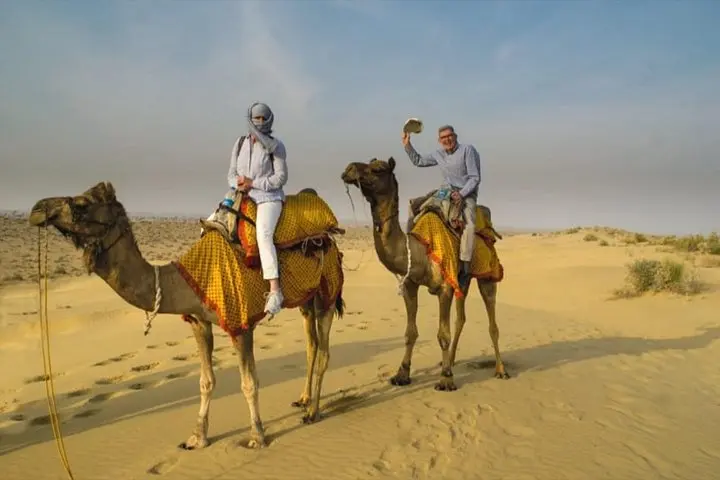
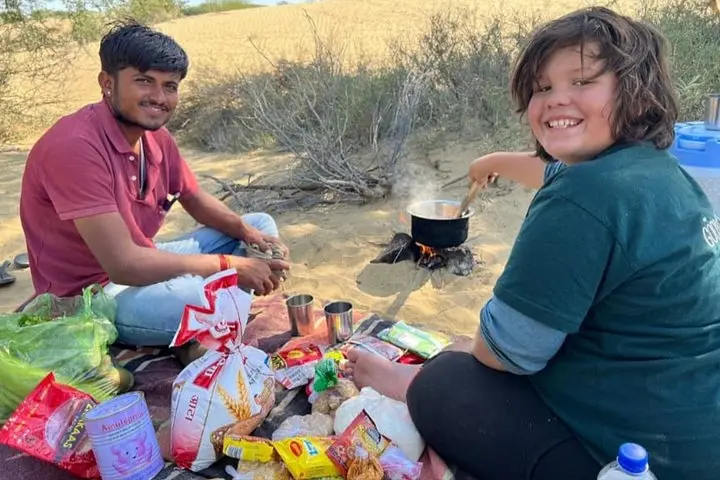
The afternoon sun slants low over ochre dunes as a string of camels rocks forward, each swaying step drawing you deeper into the Thar’s quiet. By sunset the heat loosens and the dunes take on hard edges; by night the sky becomes a wide, cold ceiling studded with stars — the camel drivers stoke a small fire and the desert seems to hold its breath.
Verified experiences and guided adventures in the surrounding area.
Operated by Pleasant Haveli Camel Safari · Jaisalmer, Rajasthan
The afternoon sun slants low over ochre dunes as a string of camels rocks forward, each swaying step drawing you deeper into the Thar’s quiet. By sunset the heat loosens and the dunes take on hard edges; by night the sky becomes a wide, cold ceiling studded with stars — the camel drivers stoke a small fire and the desert seems to hold its breath.
This two-day, one-night route rides out from Jaisalmer and threads history into landscape: medieval trading routes once funneled silk and spices past this region, and the geology of wind-polished sandstone and shifting sandfields records millennia of arid erosion. Villages you visit retain rural Rajasthani rhythms — simple courtyards, low walls, and the quiet industry of camel husbandry.
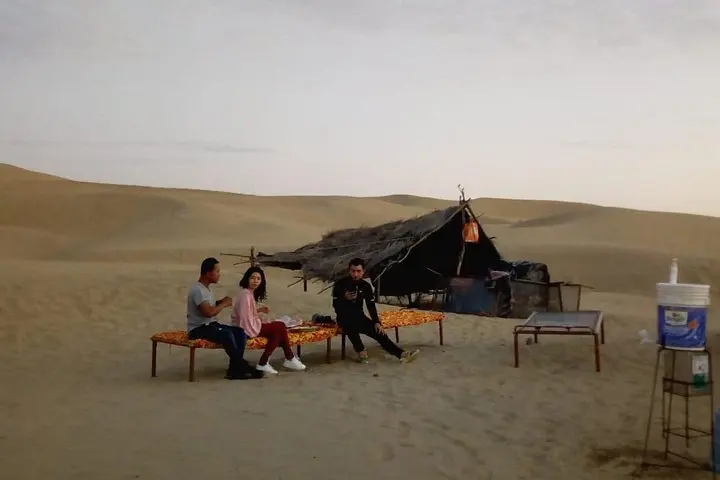
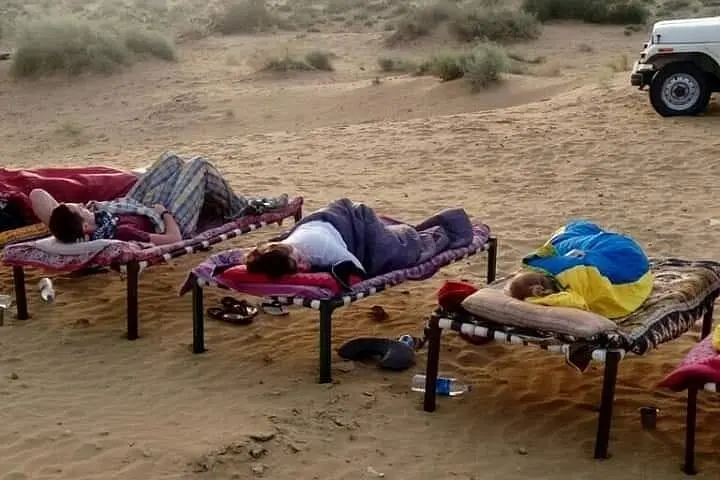
Expect long, gentle camel treks across mixed sand and compacted tracks, a night camp on the dunes with basic bedding, and daytime walks through a living village on day two. Guides will share local stories and point out common desert flora used for fodder and fuel.
Practical notes: pack sun protection, layers for cold nights, and at least 2–3 liters of water per person per day; most trips include two meals and one night in dune camp. Footwear should be secure on sand and around livestock. If you have back or heart conditions, opt for a shorter ride or seek medical advice — camel seating can be jarring. Plan visits in the cooler months for comfortable daytime hiking and cold, clear nights for stargazing.
The itinerary includes lunch and dinner on day one and breakfast and lunch on day two, served in camp or village settings as listed.
Camel seating can be jarring; the operator advises those with spinal or serious cardiovascular issues to avoid long rides or consult a doctor first.
The tour starts in Jaisalmer city with a pick-up point; after the overnight dune camp you return to Jaisalmer on day two.
Facilities are basic in the dunes (no formal bathrooms at camp); there are luggage rooms and wifi access back in the city per operator notes.
Pleasant Haveli Camel Safari operates guided outdoor trips and adventures with an emphasis on safety, stewardship, and memorable experiences.
The afternoon sun slants low over ochre dunes as a string of camels rocks forward, each swaying step drawing you deeper into the Thar’s quiet. By sunset the heat loosens and the dunes take on hard edges; by night the sky becomes a wide, cold ceiling studded with stars — the camel drivers stoke a small fire and the desert seems to hold its breath.
The afternoon sun slants low over ochre dunes as a string of camels rocks forward, each swaying step drawing you deeper into the Thar’s quiet. By sunset the heat loosens and the dunes take on hard edges; by night the sky becomes a wide, cold ceiling studded with stars — the camel drivers stoke a small fire and the desert seems to hold its breath.
This two-day, one-night route rides out from Jaisalmer and threads history into landscape: medieval trading routes once funneled silk and spices past this region, and the geology of wind-polished sandstone and shifting sandfields records millennia of arid erosion. Villages you visit retain rural Rajasthani rhythms — simple courtyards, low walls, and the quiet industry of camel husbandry.
Expect long, gentle camel treks across mixed sand and compacted tracks, a night camp on the dunes with basic bedding, and daytime walks through a living village on day two. Guides will share local stories and point out common desert flora used for fodder and fuel.
Practical notes: pack sun protection, layers for cold nights, and at least 2–3 liters of water per person per day; most trips include two meals and one night in dune camp. Footwear should be secure on sand and around livestock. If you have back or heart conditions, opt for a shorter ride or seek medical advice — camel seating can be jarring. Plan visits in the cooler months for comfortable daytime hiking and cold, clear nights for stargazing.