THE ADVENTURE COLLECTIVE® · Independent discovery and booking for outdoor travel

Explore Jaisalmer’s living fort, visit the eerie abandoned village of Kuldhara, then ride a camel into the Thar Desert for a sunset, bonfire and Rajasthani cultural night. Practical logistics and an English-speaking guide handle the details so you can focus on the experience.
Explore Jaisalmer’s living fort, visit the eerie abandoned village of Kuldhara, then ride a camel into the Thar Desert for a sunset, bonfire and Rajasthani cultural night. Practical logistics and an English-speaking guide handle the details so you can focus on the experience.
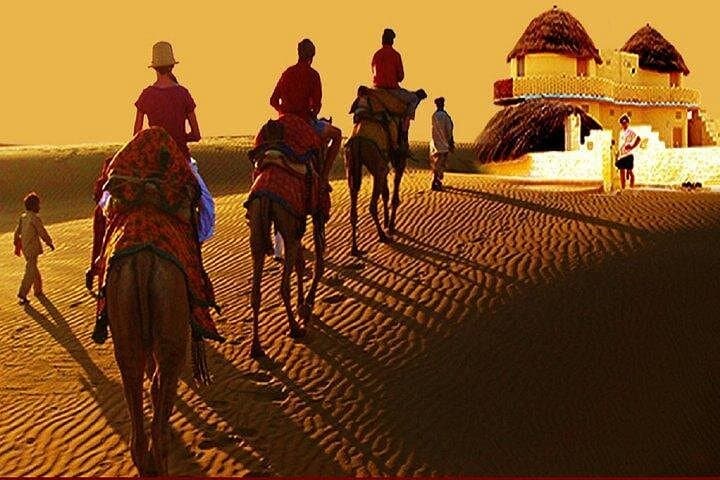
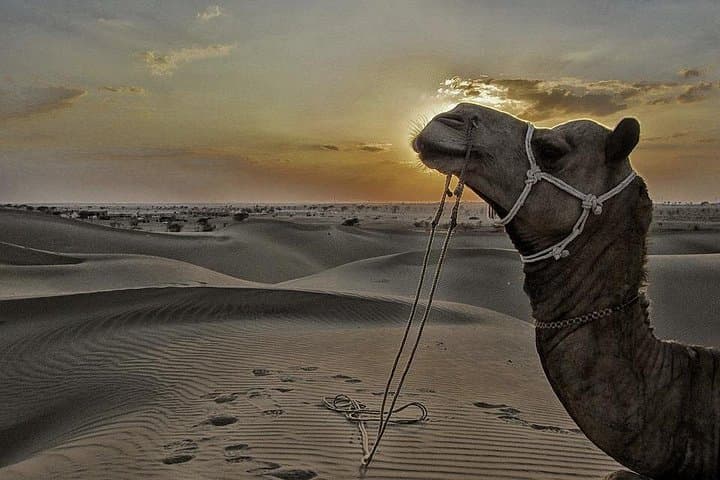
The afternoon light slants through honey-colored sandstone as you climb the ramparts of Jaisalmer Fort, the city below small and sun-stung. Later, the Thar stretches to the horizon like a slow-moving sea; the camel's gait rocks you forward while the sun drops the world into gold. Night arrives with a bonfire, folk musicians, and a dinner of spicy Rajasthani cuisine under open sky.
Verified experiences and guided adventures in the surrounding area.
Operated by Go City Adventures · Jaisalmer, Rajasthan
The afternoon light slants through honey-colored sandstone as you climb the ramparts of Jaisalmer Fort, the city below small and sun-stung. Later, the Thar stretches to the horizon like a slow-moving sea; the camel's gait rocks you forward while the sun drops the world into gold. Night arrives with a bonfire, folk musicians, and a dinner of spicy Rajasthani cuisine under open sky.
Built in the 12th century, Jaisalmer Fort is one of India’s few living forts—people still live and work inside its walls. The surrounding Thar Desert is young by geological standards, shaped by wind and episodic rivers that once ran here. Kuldhara, the nearby abandoned village, carries local stories of mass migration and mystery, giving the route a historical and cultural spine that contrasts with the fort’s continuous life.
Expect a mix of walking through narrow alleys and short temple visits in the fort, then a countryside drive to Kuldhara and a late-afternoon camel safari to a sunset point in desert dunes. The camel ride is slow and gentle but uneven; dress for sun, dust, and cooler desert nights. Hydrate before you set out, carry cash for small purchases, and allow time to absorb performances and local crafts at the camp.
This experience is part history tour, part sensory desert evening: practical logistics—hotel pickup, guide, transport and entrance fees—are usually included, leaving you to focus on the light, the landscape, and the quiet that the dunes insist upon.
The camel segment typically lasts about 45–60 minutes, timed to reach a sunset viewpoint before returning to camp.
There are narrow lanes and some uneven stone steps inside the fort; comfortable shoes and moderate mobility are recommended.
A complimentary vegetarian Rajasthani dinner at the desert camp is usually included; check dietary needs with the operator in advance.
Yes, the tour is family-friendly but handlers may limit camel rides for very young children and infants; infant seats may be available in transport.
Go City Adventures operates guided outdoor trips and adventures with an emphasis on safety, stewardship, and memorable experiences.
The afternoon light slants through honey-colored sandstone as you climb the ramparts of Jaisalmer Fort, the city below small and sun-stung. Later, the Thar stretches to the horizon like a slow-moving sea; the camel's gait rocks you forward while the sun drops the world into gold. Night arrives with a bonfire, folk musicians, and a dinner of spicy Rajasthani cuisine under open sky.
The afternoon light slants through honey-colored sandstone as you climb the ramparts of Jaisalmer Fort, the city below small and sun-stung. Later, the Thar stretches to the horizon like a slow-moving sea; the camel's gait rocks you forward while the sun drops the world into gold. Night arrives with a bonfire, folk musicians, and a dinner of spicy Rajasthani cuisine under open sky.
Built in the 12th century, Jaisalmer Fort is one of India’s few living forts—people still live and work inside its walls. The surrounding Thar Desert is young by geological standards, shaped by wind and episodic rivers that once ran here. Kuldhara, the nearby abandoned village, carries local stories of mass migration and mystery, giving the route a historical and cultural spine that contrasts with the fort’s continuous life.
Expect a mix of walking through narrow alleys and short temple visits in the fort, then a countryside drive to Kuldhara and a late-afternoon camel safari to a sunset point in desert dunes. The camel ride is slow and gentle but uneven; dress for sun, dust, and cooler desert nights. Hydrate before you set out, carry cash for small purchases, and allow time to absorb performances and local crafts at the camp.
This experience is part history tour, part sensory desert evening: practical logistics—hotel pickup, guide, transport and entrance fees—are usually included, leaving you to focus on the light, the landscape, and the quiet that the dunes insist upon.