THE ADVENTURE COLLECTIVE® · Independent discovery and booking for outdoor travel

A full-day loop from Sarajevo that combines Jajce’s unique city-center waterfall, medieval forts, and the serene Pliva Lakes. This tour pairs cultural history with accessible lakeside walks — ideal for travelers who want scenery and stories in one long day.
A full-day loop from Sarajevo that combines Jajce’s unique city-center waterfall, medieval forts, and the serene Pliva Lakes. This tour pairs cultural history with accessible lakeside walks — ideal for travelers who want scenery and stories in one long day.
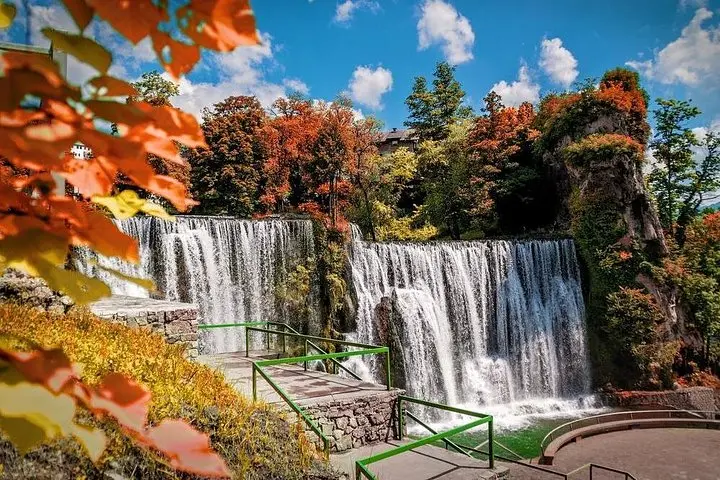
Morning light finds the minibus threading Bosnia’s central valleys: rivers cut canyons, pastures slope, and stone villages blink awake before the day’s first spectacle — Jajce’s waterfall plunging through the heart of town. The cascade and the slow, glassy Pliva Lakes set a tone that’s both dramatic and quietly domestic: water daring you to step closer, mills keeping their measured pace.
Verified experiences and guided adventures in the surrounding area.
Operated by Funky Tours · Jajce, Central Bosnia
Morning light finds the minibus threading Bosnia’s central valleys: rivers cut canyons, pastures slope, and stone villages blink awake before the day’s first spectacle — Jajce’s waterfall plunging through the heart of town. The cascade and the slow, glassy Pliva Lakes set a tone that’s both dramatic and quietly domestic: water daring you to step closer, mills keeping their measured pace.
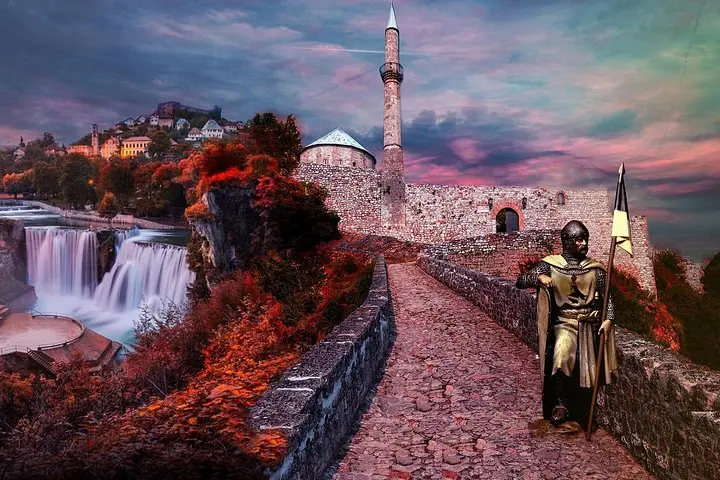
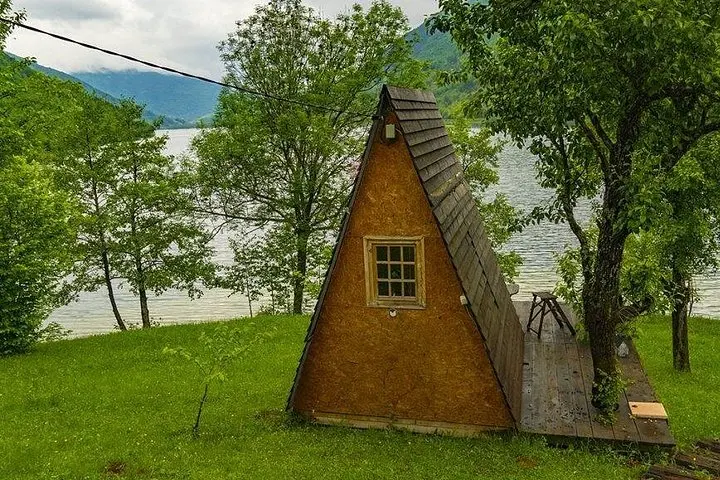
History is tangible here. Jajce’s citadel and medieval towers speak to Bosnian dukes and royal courts; the AVNOJ museum marks the 1943 wartime congress that shaped Yugoslavia’s future. Travnik, once a viziers’ seat, layers Ottoman-era houses and a well-preserved fort above streets known for ćevapi and soft white cheese. Geologically, the area sits in a karst landscape where tufa and travertine processes built natural dams at Pliva, creating the small and large lakes and the iconic wooden mills.
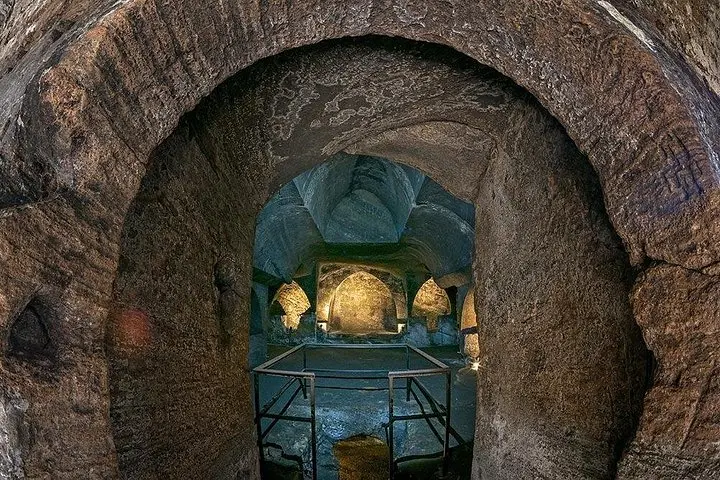
Culturally the route is compact: a walkable mix of fortified walls, a rare city-center waterfall, underground catacombs, and Ottoman-era mosques. Local guides usually point out the Bear Tower’s thick walls and the Woman’s Mosque — unusual in regional naming.
Practical notes: plan for a long day (about 11 hours) with periods of standing and uneven stone steps. Comfortable shoes, layers, and a refillable water bottle make the tour more enjoyable. Bring cash for small purchases and tip if the guide added local stories. Photography is best mid-morning at Jajce waterfall and late afternoon along Pliva’s shore when light skims the mill houses.
Yes — admissions for key sites listed in the itinerary (Jajce citadel, catacombs, AVNOJ museum, Travnik fort) are included in the tour price.
The tour offers pickup options; you’ll select a pickup point or provide addresses at booking — confirm exact time and location in advance.
The operator notes the itinerary is stroller-accessible for short stretches, but expect stairs and uneven surfaces in forts and catacombs.
Yes — seasonal swimming and local kayak/canoe rental options exist, though they may be arranged on-site and sometimes for an extra fee.
Funky Tours operates guided outdoor trips and adventures with an emphasis on safety, stewardship, and memorable experiences.
Morning light finds the minibus threading Bosnia’s central valleys: rivers cut canyons, pastures slope, and stone villages blink awake before the day’s first spectacle — Jajce’s waterfall plunging through the heart of town. The cascade and the slow, glassy Pliva Lakes set a tone that’s both dramatic and quietly domestic: water daring you to step closer, mills keeping their measured pace.
Morning light finds the minibus threading Bosnia’s central valleys: rivers cut canyons, pastures slope, and stone villages blink awake before the day’s first spectacle — Jajce’s waterfall plunging through the heart of town. The cascade and the slow, glassy Pliva Lakes set a tone that’s both dramatic and quietly domestic: water daring you to step closer, mills keeping their measured pace.
History is tangible here. Jajce’s citadel and medieval towers speak to Bosnian dukes and royal courts; the AVNOJ museum marks the 1943 wartime congress that shaped Yugoslavia’s future. Travnik, once a viziers’ seat, layers Ottoman-era houses and a well-preserved fort above streets known for ćevapi and soft white cheese. Geologically, the area sits in a karst landscape where tufa and travertine processes built natural dams at Pliva, creating the small and large lakes and the iconic wooden mills.
Culturally the route is compact: a walkable mix of fortified walls, a rare city-center waterfall, underground catacombs, and Ottoman-era mosques. Local guides usually point out the Bear Tower’s thick walls and the Woman’s Mosque — unusual in regional naming.
Practical notes: plan for a long day (about 11 hours) with periods of standing and uneven stone steps. Comfortable shoes, layers, and a refillable water bottle make the tour more enjoyable. Bring cash for small purchases and tip if the guide added local stories. Photography is best mid-morning at Jajce waterfall and late afternoon along Pliva’s shore when light skims the mill houses.