THE ADVENTURE COLLECTIVE® · Independent discovery and booking for outdoor travel

Walk through Jakarta’s layered past on a full‑day tour that links the National Museum, Chinatown (Glodok), Kota Tua and Sunda Kelapa harbor with an included lunch. Expect flat walking, historic architecture and busy market life paired with practical tips for heat, modest dress and local transit.
Walk through Jakarta’s layered past on a full‑day tour that links the National Museum, Chinatown (Glodok), Kota Tua and Sunda Kelapa harbor with an included lunch. Expect flat walking, historic architecture and busy market life paired with practical tips for heat, modest dress and local transit.
You step out of an air‑conditioned van into a street where colonial brickwork gives way to market stalls selling spices and herbal teas. The afternoon light sharpens carved temple roofs in Glodok and bounces off the timber phinisi at Sunda Kelapa harbor; the city smells of diesel, frying oil and the citrus tang of kecap manis on the grill.
Verified experiences and guided adventures in the surrounding area.
Operated by Tripyourtour · Jakarta, Jakarta
You step out of an air‑conditioned van into a street where colonial brickwork gives way to market stalls selling spices and herbal teas. The afternoon light sharpens carved temple roofs in Glodok and bounces off the timber phinisi at Sunda Kelapa harbor; the city smells of diesel, frying oil and the citrus tang of kecap manis on the grill.
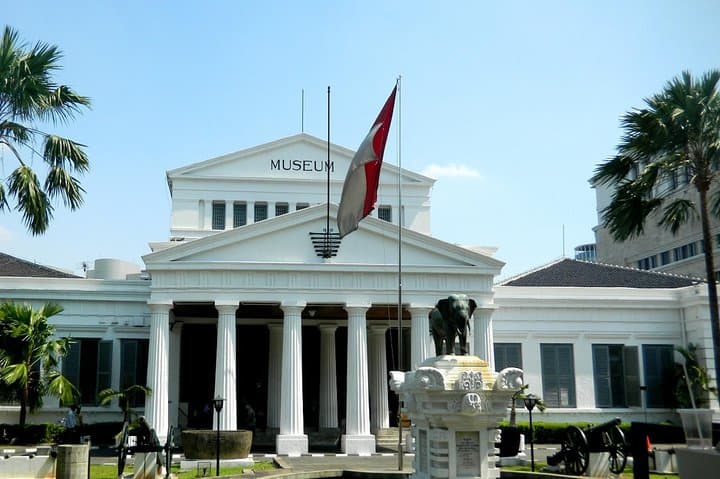
Jakarta’s centre grew from Jayakarta, a strategic river mouth later rebranded Batavia by Dutch colonists in the 17th century. The National Museum houses archaeological finds from across the archipelago and a bronze elephant gifted in the 19th century; across town, the Istiqlal Mosque and Jakarta Cathedral stand within sight of Merdeka Square, a modern civic heart shaped by history and politics.
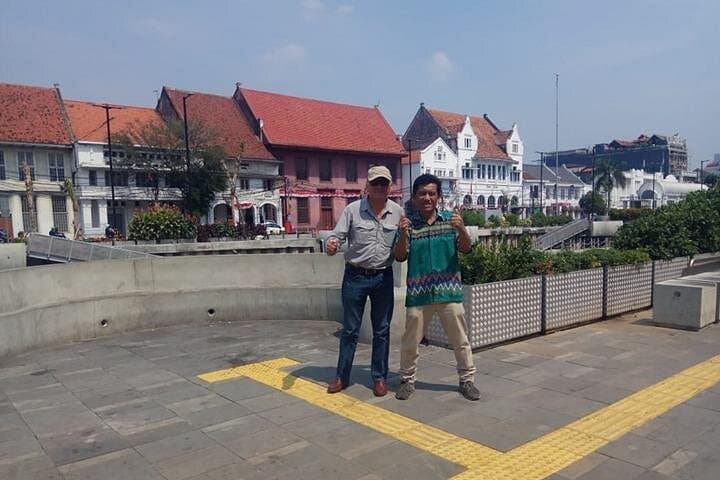
Geologically the region sits on low alluvial plains at the mouth of the Ciliwung River, which shaped the harbor and the patterns of urban growth and flooding. Culturally you’ll move from Chinese‑Indonesian temple alleys in Glodok to the Dutch façades of Kota Tua and the working harbor traffic at Sunda Kelapa, with a stop for a puppet studio that traces Javanese storytelling.
Practical guidance: expect 6–7 hours of mostly flat walking and short drives between sites; carry water, a sun hat and modest clothing for mosque visits. Lunch is included—ask your guide about spice levels and market access if you want to explore on foot afterward. Allow time for slow traffic when planning returns to hotels or the airport.
Private transportation is included; confirm your pickup point and time when booking.
The itinerary indicates admission included for the National Museum and allows mosque visits; bring ID for any ticketed entries.
According to operator notes, transportation and surfaces are wheelchair accessible—notify at booking to confirm arrangements.
Lunch is included and typically features Indonesian dishes; inform the operator of dietary restrictions ahead of time.
Tripyourtour operates guided outdoor trips and adventures with an emphasis on safety, stewardship, and memorable experiences.


You step out of an air‑conditioned van into a street where colonial brickwork gives way to market stalls selling spices and herbal teas. The afternoon light sharpens carved temple roofs in Glodok and bounces off the timber phinisi at Sunda Kelapa harbor; the city smells of diesel, frying oil and the citrus tang of kecap manis on the grill.
You step out of an air‑conditioned van into a street where colonial brickwork gives way to market stalls selling spices and herbal teas. The afternoon light sharpens carved temple roofs in Glodok and bounces off the timber phinisi at Sunda Kelapa harbor; the city smells of diesel, frying oil and the citrus tang of kecap manis on the grill.
Jakarta’s centre grew from Jayakarta, a strategic river mouth later rebranded Batavia by Dutch colonists in the 17th century. The National Museum houses archaeological finds from across the archipelago and a bronze elephant gifted in the 19th century; across town, the Istiqlal Mosque and Jakarta Cathedral stand within sight of Merdeka Square, a modern civic heart shaped by history and politics.
Geologically the region sits on low alluvial plains at the mouth of the Ciliwung River, which shaped the harbor and the patterns of urban growth and flooding. Culturally you’ll move from Chinese‑Indonesian temple alleys in Glodok to the Dutch façades of Kota Tua and the working harbor traffic at Sunda Kelapa, with a stop for a puppet studio that traces Javanese storytelling.
Practical guidance: expect 6–7 hours of mostly flat walking and short drives between sites; carry water, a sun hat and modest clothing for mosque visits. Lunch is included—ask your guide about spice levels and market access if you want to explore on foot afterward. Allow time for slow traffic when planning returns to hotels or the airport.