THE ADVENTURE COLLECTIVE® · Independent discovery and booking for outdoor travel

Two hours of hands‑on coaching in Jakarta’s urban grid teach balance, braking and defensive riding in real city conditions. Helmets are provided and instructors tailor drills to your level—best booked early to avoid peak traffic and sudden tropical downpours.
Two hours of hands‑on coaching in Jakarta’s urban grid teach balance, braking and defensive riding in real city conditions. Helmets are provided and instructors tailor drills to your level—best booked early to avoid peak traffic and sudden tropical downpours.
You arrive where asphalt meets the city's edge: an open training lot or quiet side street, the skyline of Jakarta spread low and hot beyond. An instructor with a practiced calm walks you through a helmet check while traffic murmurs a block away—the roar of scooters and motorcycles is the city’s steady heartbeat.
Verified experiences and guided adventures in the surrounding area.
Operated by renaldio sharial · Jakarta, DKI Jakarta
You arrive where asphalt meets the city's edge: an open training lot or quiet side street, the skyline of Jakarta spread low and hot beyond. An instructor with a practiced calm walks you through a helmet check while traffic murmurs a block away—the roar of scooters and motorcycles is the city’s steady heartbeat.
This course puts you into that rhythm. Java’s dense urban fabric and decades of two‑wheeler culture have produced riders who move with a practiced economy; lessons here focus on that reality — low‑speed balance, lane positioning, defensive scanning and managing Jakarta’s flow. Historically, motorbikes became dominant as riders sought speed and affordability across narrow streets carved during the colonial era. The training terrain is urban: parking lots, protected sections of road, and brief supervised exposure to local traffic if the instructor deems you ready.
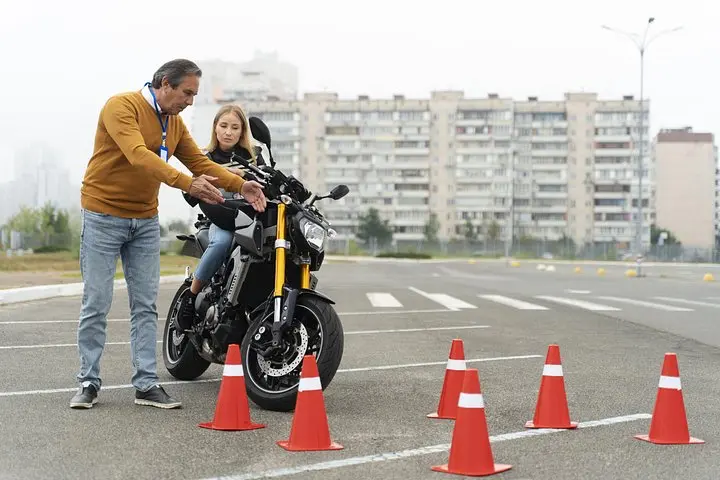
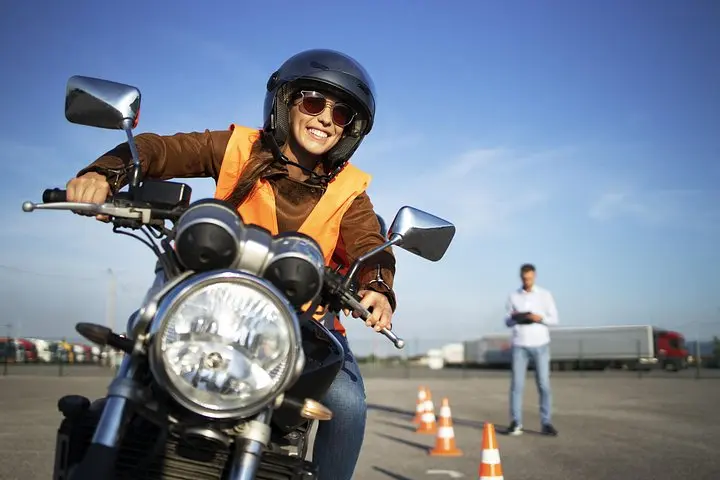
Expect two hours of hands‑on coaching: controls and ergonomics, progressive drills (figure‑eights, emergency stops, slow balance), then short road integration. Helmets and basic protection are provided; e‑bikes and larger motorcycles may incur extra fees.
Practical tips: schedule early morning sessions to avoid peak traffic and torrential tropical showers; bring a government ID, closed‑toe shoes, and light layers. Hydrate—the humidity makes short work of focus—and review local road rules if you plan to ride independently afterward. Lessons prioritize safety and defensive technique so you leave with skills to handle Jakarta’s unique pace, not just confidence under starter throttle.
No, lessons accept beginners without a license; however, a valid riding license is legally required to ride on public roads—confirm if on‑road practice is included and whether the instructor will supervise any street segments.
Yes, basic helmets and protective gear are included; you may bring your own for a better fit or hygiene preference.
Training typically starts in a controlled area; some courses include brief, supervised exposure to local roads depending on skill level and instructor assessment—ask ahead if you want more street time.
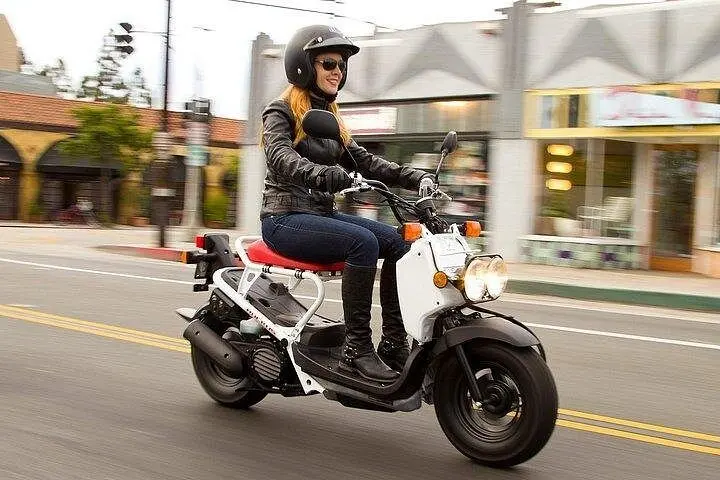
Possibly—the operator lists motorcycles/scooters and e‑bikes (extra fee) as options; confirm compatibility and fees before booking.
renaldio sharial operates guided outdoor trips and adventures with an emphasis on safety, stewardship, and memorable experiences.
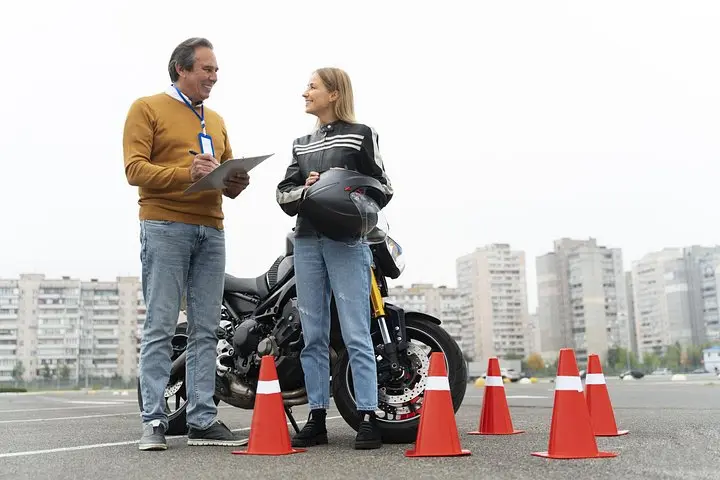
You arrive where asphalt meets the city's edge: an open training lot or quiet side street, the skyline of Jakarta spread low and hot beyond. An instructor with a practiced calm walks you through a helmet check while traffic murmurs a block away—the roar of scooters and motorcycles is the city’s steady heartbeat.
You arrive where asphalt meets the city's edge: an open training lot or quiet side street, the skyline of Jakarta spread low and hot beyond. An instructor with a practiced calm walks you through a helmet check while traffic murmurs a block away—the roar of scooters and motorcycles is the city’s steady heartbeat.
This course puts you into that rhythm. Java’s dense urban fabric and decades of two‑wheeler culture have produced riders who move with a practiced economy; lessons here focus on that reality — low‑speed balance, lane positioning, defensive scanning and managing Jakarta’s flow. Historically, motorbikes became dominant as riders sought speed and affordability across narrow streets carved during the colonial era. The training terrain is urban: parking lots, protected sections of road, and brief supervised exposure to local traffic if the instructor deems you ready.
Expect two hours of hands‑on coaching: controls and ergonomics, progressive drills (figure‑eights, emergency stops, slow balance), then short road integration. Helmets and basic protection are provided; e‑bikes and larger motorcycles may incur extra fees.
Practical tips: schedule early morning sessions to avoid peak traffic and torrential tropical showers; bring a government ID, closed‑toe shoes, and light layers. Hydrate—the humidity makes short work of focus—and review local road rules if you plan to ride independently afterward. Lessons prioritize safety and defensive technique so you leave with skills to handle Jakarta’s unique pace, not just confidence under starter throttle.