THE ADVENTURE COLLECTIVE® · Independent discovery and booking for outdoor travel

Three days of camping game drives from Arusha through Lake Manyara, Ngorongoro Crater and Tarangire. Expect dawn drives, village visits, picnic lunches and nights at basic public campsites.
Three days of camping game drives from Arusha through Lake Manyara, Ngorongoro Crater and Tarangire. Expect dawn drives, village visits, picnic lunches and nights at basic public campsites.
Morning light breaks over the acacia line as your jeep rolls away from Arusha — dust lifting, engines murmuring, and the landscape opening into the low-lying woodlands of Lake Manyara.
Verified experiences and guided adventures in the surrounding area.
Operated by Serengeti One Safaris · Arusha, Arusha Region
Morning light breaks over the acacia line as your jeep rolls away from Arusha — dust lifting, engines murmuring, and the landscape opening into the low-lying woodlands of Lake Manyara.
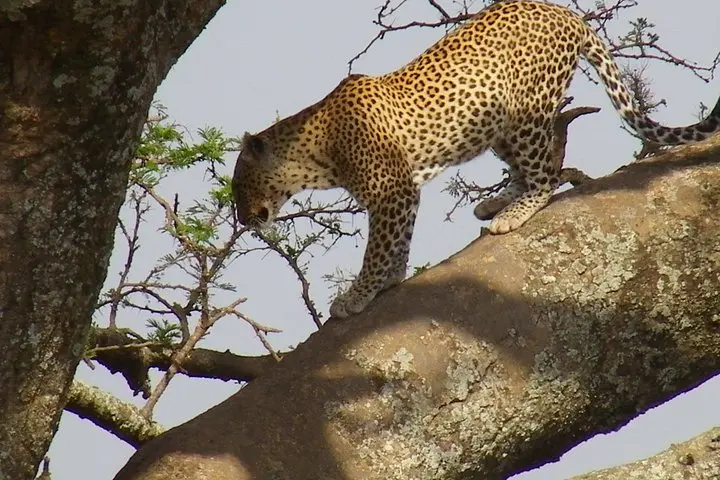
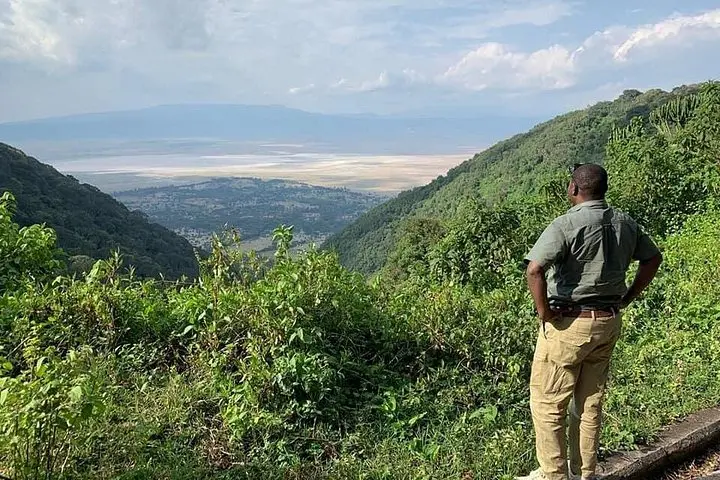
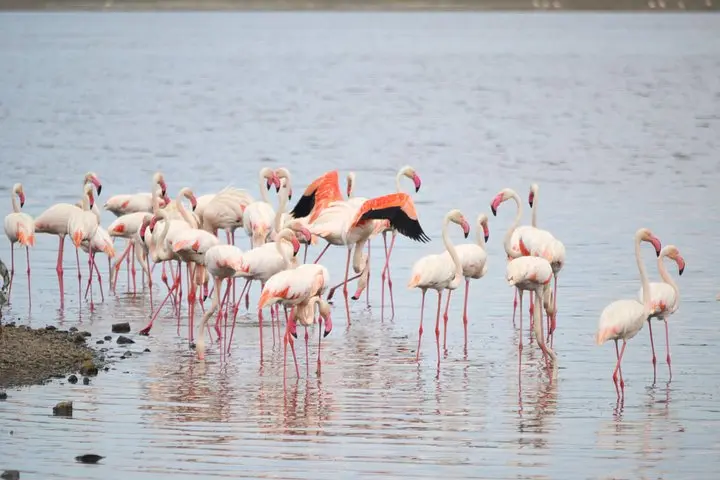
Across three days you move through distinct wild rooms: the bird-rich fringe and walking village of Mto wa Mbu, the forest-and-woodland plains of Manyara, the sunken amphitheatre of Ngorongoro Crater and the elephant corridors of Tarangire. Geology here is dramatic and readable: Manyara’s rift-edge basins, Ngorongoro’s 600-metre-deep volcanic caldera holding vast resident herds, and Tarangire’s ancient riverbed that concentrates wildlife in the dry months.
Local culture appears in market lunches prepared by Mto wa Mbu residents and in Maasai grazing on crater rims; guides explain how volcanic soils shaped both ecology and human routes. Expect early starts (dawn game drives), long jeep hours between parks (2–3 hour transfers common), and nights at Migombani public campsites with communal campfires and basic facilities.
Practical edge: pack layered clothing for cool crater mornings and hot midday drives, bring a refillable water bottle and binoculars, and use a soft-sided bag for easy stowage in safari vehicles. Vehicles include private transport and onboard Wi‑Fi; meals are provided as listed and picnic lunches are typical on game days.
This itinerary suits travelers seeking up-close wildlife viewing from a low-impact, mobile basecamp — not luxury lodges but active, straightforward camping that prioritizes time in the parks: brief walks, focused game drives and lots of sky.
Overnight stays are at public campsites (Migombani at Lake Manyara) with basic facilities; this is a camping-focused, budget-friendly safari.
Meals listed (breakfasts, lunches, dinners as noted) are included; park entrance fees are typically additional—confirm total cost when booking.
The operator lists wheelchair-accessible options, but long vehicle transfers and uneven campsite terrain may be challenging; check specific accessibility needs in advance.
Expect multiple transfers of 2–3 hours between Arusha, Manyara, Ngorongoro and Tarangire, plus game-drive time inside parks.
Serengeti One Safaris operates guided outdoor trips and adventures with an emphasis on safety, stewardship, and memorable experiences.
Morning light breaks over the acacia line as your jeep rolls away from Arusha — dust lifting, engines murmuring, and the landscape opening into the low-lying woodlands of Lake Manyara.
Morning light breaks over the acacia line as your jeep rolls away from Arusha — dust lifting, engines murmuring, and the landscape opening into the low-lying woodlands of Lake Manyara.
Across three days you move through distinct wild rooms: the bird-rich fringe and walking village of Mto wa Mbu, the forest-and-woodland plains of Manyara, the sunken amphitheatre of Ngorongoro Crater and the elephant corridors of Tarangire. Geology here is dramatic and readable: Manyara’s rift-edge basins, Ngorongoro’s 600-metre-deep volcanic caldera holding vast resident herds, and Tarangire’s ancient riverbed that concentrates wildlife in the dry months.
Local culture appears in market lunches prepared by Mto wa Mbu residents and in Maasai grazing on crater rims; guides explain how volcanic soils shaped both ecology and human routes. Expect early starts (dawn game drives), long jeep hours between parks (2–3 hour transfers common), and nights at Migombani public campsites with communal campfires and basic facilities.
Practical edge: pack layered clothing for cool crater mornings and hot midday drives, bring a refillable water bottle and binoculars, and use a soft-sided bag for easy stowage in safari vehicles. Vehicles include private transport and onboard Wi‑Fi; meals are provided as listed and picnic lunches are typical on game days.
This itinerary suits travelers seeking up-close wildlife viewing from a low-impact, mobile basecamp — not luxury lodges but active, straightforward camping that prioritizes time in the parks: brief walks, focused game drives and lots of sky.