THE ADVENTURE COLLECTIVE® · Independent discovery and booking for outdoor travel

Ten days that move fast and land deep: from Tokyo’s neon nights and Tsukiji sushi to Hakone ropeways, Takayama temple stays and Kyoto’s torii. This backpacking-style tour balances culture, active walking, and local flavors — ideal for travelers who want pace with perspective.
Ten days that move fast and land deep: from Tokyo’s neon nights and Tsukiji sushi to Hakone ropeways, Takayama temple stays and Kyoto’s torii. This backpacking-style tour balances culture, active walking, and local flavors — ideal for travelers who want pace with perspective.
The first night in Tokyo arrives like a footfall in a bustling street — neon and chatter spilling into the narrow lanes around Senso-ji as the group gathers in a hostel lobby and the city leans in, curious. You taste soy and sea at the first dinner, then walk incense-scented paths beneath the temple’s lanterns, the city’s modern hum pushed to the edges by the quiet gravity of centuries-old wood and stone.
Verified experiences and guided adventures in the surrounding area.
Operated by One Life Adventures · Tokyo, Tokyo
The first night in Tokyo arrives like a footfall in a bustling street — neon and chatter spilling into the narrow lanes around Senso-ji as the group gathers in a hostel lobby and the city leans in, curious. You taste soy and sea at the first dinner, then walk incense-scented paths beneath the temple’s lanterns, the city’s modern hum pushed to the edges by the quiet gravity of centuries-old wood and stone.
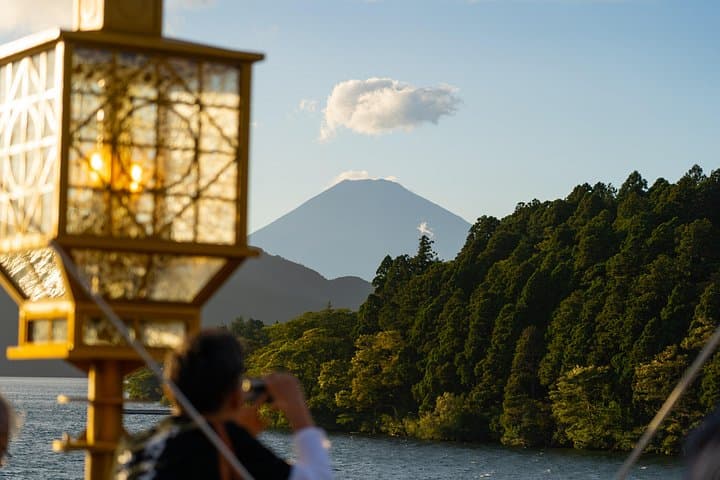
Over the next ten days the itinerary moves like a deliberate current: urban canyons in Tokyo give way to cable cars and ropeways in Hakone, the shinkansen slingshots you past rice terraces to Takayama, and Kyoto’s shrines and alleyways unfold in layered sequences. Geology shows up in the steamy sulfur vents of Owakudani and the mirrored calm of Lake Ashi, where Mt. Fuji looms like a patient giant daring you to catch her in a clear frame. Culture is tactile — sushi at Tsukiji, the clack of kendo bamboo, the hush of a temple sleepover on tatami pads — and the tour threads modern pop culture in Akihabara with ritual in Gion.
There are real leg days here: expect 5–13 km (3–8 miles) of walking on most days, with steeper ascents in Hakone (ropeway altitudes near 1,000 m) and short climbs like Iwatayama Monkey Park (roughly 100–200 m of elevation gain). Fushimi Inari’s torii corridor rises to about 230 m over a series of stone steps; bring steady footwear for uneven trails and shrine approaches.
Practical edge: the trip runs fast — pack light, as the tour is backpacking-forward and accommodations range from hostels to temple dorms. Public transport is efficient and covered in the routing, but you’ll transfer frequently, so a comfortable daypack and quick-dry layers make transitions painless. Hydration matters; carry a refillable bottle and a small umbrella or light rain shell for sudden showers. Respect local customs: remove shoes when entering ryokan and temples, and learn a few phrases — a simple "arigato" and a bow open doors.
Timing matters for photography and crowds: early mornings at Fushimi Inari and Arashiyama beat tour buses; Hakone and Takayama reward clear days for mountain views. This tour is best for travelers who want active cultural immersion — long days, quick pace, high reward. If you love walking cities, trying regional food, and sleeping in places that rearrange your expectations of 'accommodation,' this route delivers a compact, kinetic introduction to Japan’s contrasts.
Yes — the trip attracts solo adventurers and is designed for shared accommodation and group activities to foster connections.
The itinerary uses public transport and shinkansen segments are included as specified; guides coordinate transfers but personal upgrades (private bullet train seats) may cost extra.
You should be comfortable walking 5–13 km a day and climbing steps; overall good fitness is recommended for the fast pace.
A mix of hostels, guesthouses and a temple stay on tatami — expect shared bathrooms and dorm-style rooms on multiple nights.
Yes, inform the operator in advance on booking questions; guides can often arrange vegetarian or allergy-friendly options, but choices vary in some rural stops.
Max group size is about 22 travelers, which keeps logistics tight while still offering a social atmosphere.
One Life Adventures operates guided outdoor trips and adventures with an emphasis on safety, stewardship, and memorable experiences.



The first night in Tokyo arrives like a footfall in a bustling street — neon and chatter spilling into the narrow lanes around Senso-ji as the group gathers in a hostel lobby and the city leans in, curious. You taste soy and sea at the first dinner, then walk incense-scented paths beneath the temple’s lanterns, the city’s modern hum pushed to the edges by the quiet gravity of centuries-old wood and stone.
The first night in Tokyo arrives like a footfall in a bustling street — neon and chatter spilling into the narrow lanes around Senso-ji as the group gathers in a hostel lobby and the city leans in, curious. You taste soy and sea at the first dinner, then walk incense-scented paths beneath the temple’s lanterns, the city’s modern hum pushed to the edges by the quiet gravity of centuries-old wood and stone.
Over the next ten days the itinerary moves like a deliberate current: urban canyons in Tokyo give way to cable cars and ropeways in Hakone, the shinkansen slingshots you past rice terraces to Takayama, and Kyoto’s shrines and alleyways unfold in layered sequences. Geology shows up in the steamy sulfur vents of Owakudani and the mirrored calm of Lake Ashi, where Mt. Fuji looms like a patient giant daring you to catch her in a clear frame. Culture is tactile — sushi at Tsukiji, the clack of kendo bamboo, the hush of a temple sleepover on tatami pads — and the tour threads modern pop culture in Akihabara with ritual in Gion.
There are real leg days here: expect 5–13 km (3–8 miles) of walking on most days, with steeper ascents in Hakone (ropeway altitudes near 1,000 m) and short climbs like Iwatayama Monkey Park (roughly 100–200 m of elevation gain). Fushimi Inari’s torii corridor rises to about 230 m over a series of stone steps; bring steady footwear for uneven trails and shrine approaches.
Practical edge: the trip runs fast — pack light, as the tour is backpacking-forward and accommodations range from hostels to temple dorms. Public transport is efficient and covered in the routing, but you’ll transfer frequently, so a comfortable daypack and quick-dry layers make transitions painless. Hydration matters; carry a refillable bottle and a small umbrella or light rain shell for sudden showers. Respect local customs: remove shoes when entering ryokan and temples, and learn a few phrases — a simple "arigato" and a bow open doors.
Timing matters for photography and crowds: early mornings at Fushimi Inari and Arashiyama beat tour buses; Hakone and Takayama reward clear days for mountain views. This tour is best for travelers who want active cultural immersion — long days, quick pace, high reward. If you love walking cities, trying regional food, and sleeping in places that rearrange your expectations of 'accommodation,' this route delivers a compact, kinetic introduction to Japan’s contrasts.