THE ADVENTURE COLLECTIVE® · Independent discovery and booking for outdoor travel

A compact four-day loop from Tokyo that blends city shrines, Tsukiji flavors and a Hakone day trip to Mt. Fuji and Lake Ashi. Expect cultural contrasts, geothermal landscapes and practical sightseeing paced for most travelers.
A compact four-day loop from Tokyo that blends city shrines, Tsukiji flavors and a Hakone day trip to Mt. Fuji and Lake Ashi. Expect cultural contrasts, geothermal landscapes and practical sightseeing paced for most travelers.
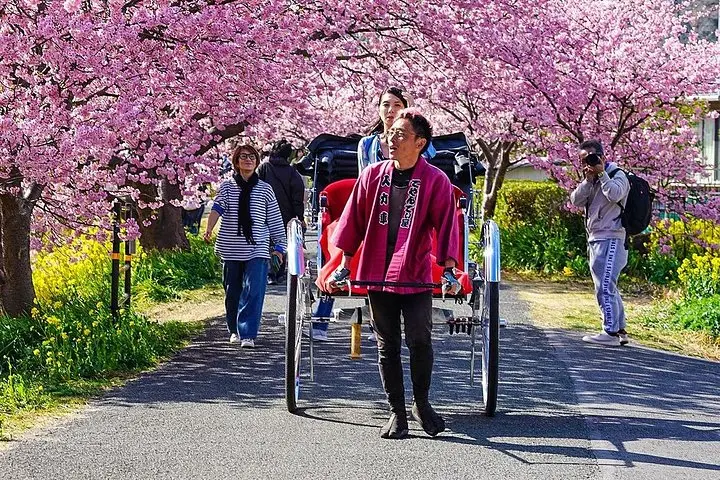
You step out into a Tokyo morning that moves at two speeds: relentless subway rhythm below and a quieter, ritual pace at shrines above. The guide leads you through Tsukiji’s lively outer market where the air smells of sea and soy, then under the towering torii of Meiji Jingu, where cedar trunks keep a soft, centuries-old quiet.
Verified experiences and guided adventures in the surrounding area.
Operated by Travel China Guide · Tokyo, Tokyo
You step out into a Tokyo morning that moves at two speeds: relentless subway rhythm below and a quieter, ritual pace at shrines above. The guide leads you through Tsukiji’s lively outer market where the air smells of sea and soy, then under the towering torii of Meiji Jingu, where cedar trunks keep a soft, centuries-old quiet.
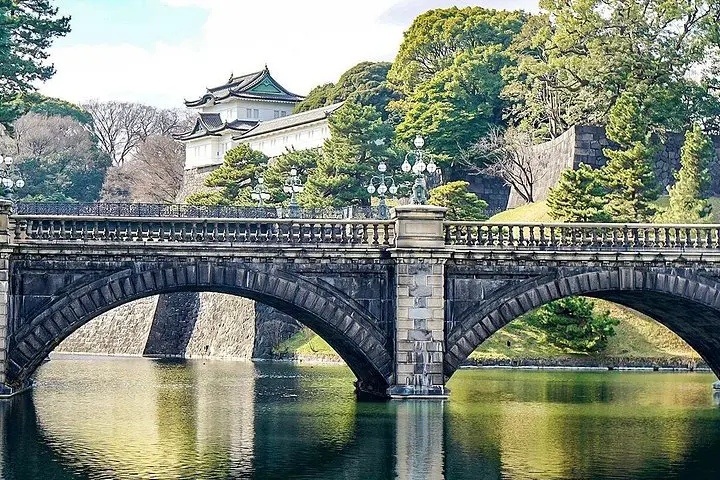
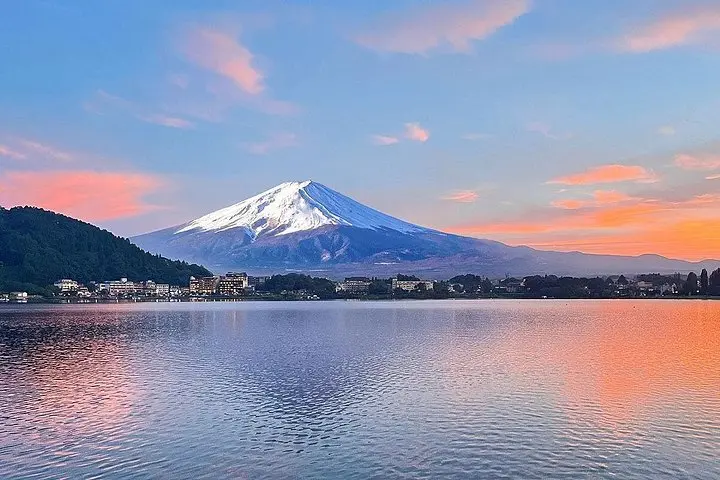
Across the itinerary the story of Japan unfolds: Senso-ji in Asakusa—its gate, lantern and 1,400-year-old history—contrasts with the Meiji period’s modernizing energy embodied at Meiji Jingu. Geology takes center stage on day three in Hakone. Mount Fuji, an active stratovolcano, shapes the skyline and the region’s hot-spring geology creates the sulfurous steam of Owakudani and the deep blue of Lake Ashi carved into volcanic calderas.
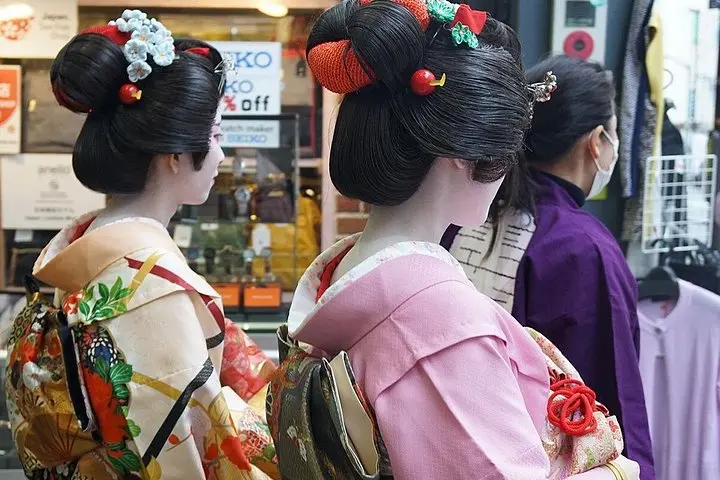
Culture here is tactile: coin-wrapped offerings, omikuji fortunes, the measured bow of a shrine attendant. You’ll ride a ropeway that climbs past fumaroles and then board a replica pirate ship across Lake Ashi, where the mountain may appear or hide behind a veil of cloud.
Practical guidance: pack layered clothing for sudden temperature shifts between Tokyo and Hakone, carry cash for small market stalls and shrine donations, and plan early mornings for the clearest Fuji views. The tour includes breakfasts, public-transport fares, entrance fees and an English-speaking guide; it’s paced for most fitness levels but expect a lot of standing and short walks. Confirm visa requirements well before departure and allow extra phone battery for photos—the route delivers high-return sights on a compact, four-day schedule.
Yes; public-transport fares for the planned itinerary (including bullet train and local transfers) are included as noted in the tour inclusions.
No—visibility depends on weather; mornings offer the best chance, but cloud cover and haze can obscure the summit even on otherwise clear days.
Entrance fees for listed sights and three breakfasts are included in the tour price per the itinerary details.
Shared airport pickup stops after 20:30. If you arrive later, arrange your own transfer or contact the operator about a private pickup option.
Travel China Guide operates guided outdoor trips and adventures with an emphasis on safety, stewardship, and memorable experiences.
You step out into a Tokyo morning that moves at two speeds: relentless subway rhythm below and a quieter, ritual pace at shrines above. The guide leads you through Tsukiji’s lively outer market where the air smells of sea and soy, then under the towering torii of Meiji Jingu, where cedar trunks keep a soft, centuries-old quiet.
You step out into a Tokyo morning that moves at two speeds: relentless subway rhythm below and a quieter, ritual pace at shrines above. The guide leads you through Tsukiji’s lively outer market where the air smells of sea and soy, then under the towering torii of Meiji Jingu, where cedar trunks keep a soft, centuries-old quiet.
Across the itinerary the story of Japan unfolds: Senso-ji in Asakusa—its gate, lantern and 1,400-year-old history—contrasts with the Meiji period’s modernizing energy embodied at Meiji Jingu. Geology takes center stage on day three in Hakone. Mount Fuji, an active stratovolcano, shapes the skyline and the region’s hot-spring geology creates the sulfurous steam of Owakudani and the deep blue of Lake Ashi carved into volcanic calderas.
Culture here is tactile: coin-wrapped offerings, omikuji fortunes, the measured bow of a shrine attendant. You’ll ride a ropeway that climbs past fumaroles and then board a replica pirate ship across Lake Ashi, where the mountain may appear or hide behind a veil of cloud.
Practical guidance: pack layered clothing for sudden temperature shifts between Tokyo and Hakone, carry cash for small market stalls and shrine donations, and plan early mornings for the clearest Fuji views. The tour includes breakfasts, public-transport fares, entrance fees and an English-speaking guide; it’s paced for most fitness levels but expect a lot of standing and short walks. Confirm visa requirements well before departure and allow extra phone battery for photos—the route delivers high-return sights on a compact, four-day schedule.