THE ADVENTURE COLLECTIVE® · Independent discovery and booking for outdoor travel

Escape Muscat’s coast for a high-altitude day on the Saiq Plateau—cooler air, cliff-top villages and ancient falaj gardens reached by 4x4. This private tour blends geology, local culture and easy plateau walks into a full-day mountain experience.
Escape Muscat’s coast for a high-altitude day on the Saiq Plateau—cooler air, cliff-top villages and ancient falaj gardens reached by 4x4. This private tour blends geology, local culture and easy plateau walks into a full-day mountain experience.
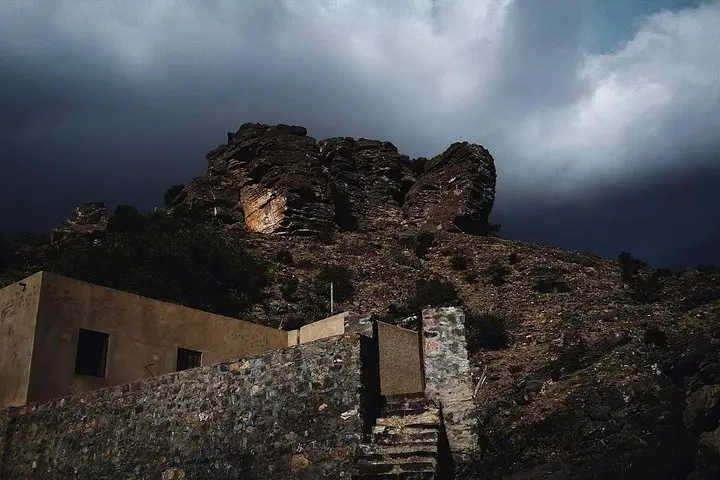
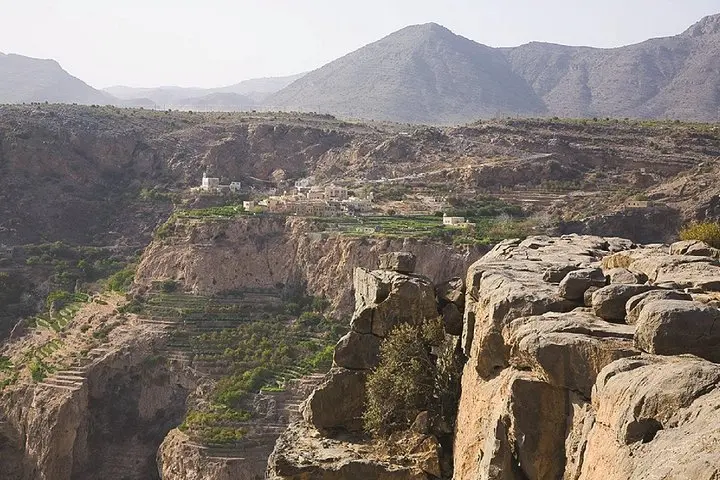
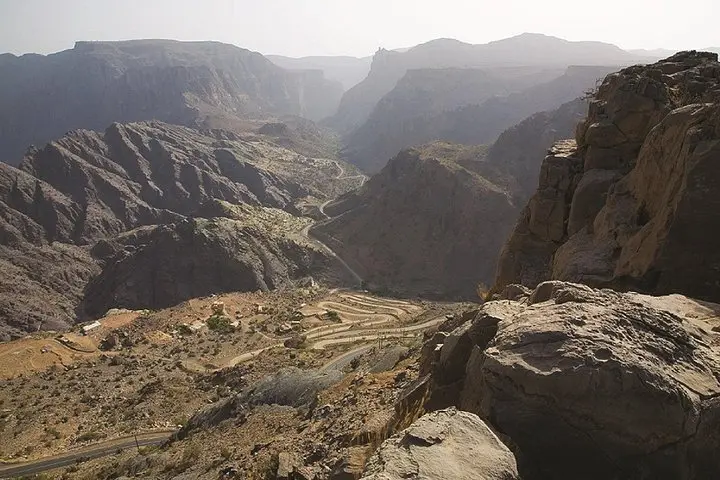
A cool breeze greets you as the 4x4 climbs through the Sumail Gap and the road unspools into the high folds of the Saiq Plateau. Rock faces lean in like watchful hosts; terraces and gardens cling to the mountain shoulders and the air tastes unexpectedly sharp after Muscat’s heat. Drivers ease into switchbacks while the view opens—deep canyons below and a patchwork of orchards above.
Verified experiences and guided adventures in the surrounding area.
Operated by Gray Line - Kurban Tours · Muscat, Ad Dakhiliyah
A cool breeze greets you as the 4x4 climbs through the Sumail Gap and the road unspools into the high folds of the Saiq Plateau. Rock faces lean in like watchful hosts; terraces and gardens cling to the mountain shoulders and the air tastes unexpectedly sharp after Muscat’s heat. Drivers ease into switchbacks while the view opens—deep canyons below and a patchwork of orchards above.
The plateau sits on the upper reaches of the Al Hajar range and has for centuries been isolated by steep terrain; its ancient falaj irrigation channels still steer water through hanging gardens and pomegranate terraces. Geologically, the massif is limestone carved into cliffs and ravines, producing dramatic elevation changes and cooler microclimates that allowed villages to flourish where lowlands could not.
On this private full-day route you’ll stop for lunch in a local restaurant and walk alongside the original falaj system, watching that engineered water thread the landscape. The remote village of Soqra offers traditional stone houses and a glimpse of mountain life where terraced farming remains central.
Practical guidance: the trip is a long day in a high-elevation desert mountain—temperatures can drop 10–15°C from Muscat, so layer. Wear sturdy shoes for uneven village paths and terraces; expect short, easy walks rather than sustained hiking. Bring 2–3 liters of water, sun protection, and a charged camera—light changes quickly across the plateau. Respect private orchards and local customs; ask before photographing residents. Timed for clear weather, the drive itself is part of the experience—let the road set the pace and use the stops to acclimatize and explore steadily.
The one-way drive to the Saiq Plateau from Muscat is roughly 2–3 hours depending on traffic and stops through the Sumail Gap; expect a full-day itinerary.
Yes—steeper mountain roads and switchbacks are driven by 4x4s; the tour provides a deluxe 4x4 vehicle and experienced driver-guides.
No technical hikes are required—walks are short and on uneven village paths and terraces; basic mobility is sufficient.
Yes, but seasonal conditions vary—summer is hot in the lowlands but cooler on the plateau; winter mornings can be chilly, so dress accordingly.
Gray Line - Kurban Tours operates guided outdoor trips and adventures with an emphasis on safety, stewardship, and memorable experiences.

A cool breeze greets you as the 4x4 climbs through the Sumail Gap and the road unspools into the high folds of the Saiq Plateau. Rock faces lean in like watchful hosts; terraces and gardens cling to the mountain shoulders and the air tastes unexpectedly sharp after Muscat’s heat. Drivers ease into switchbacks while the view opens—deep canyons below and a patchwork of orchards above.
A cool breeze greets you as the 4x4 climbs through the Sumail Gap and the road unspools into the high folds of the Saiq Plateau. Rock faces lean in like watchful hosts; terraces and gardens cling to the mountain shoulders and the air tastes unexpectedly sharp after Muscat’s heat. Drivers ease into switchbacks while the view opens—deep canyons below and a patchwork of orchards above.
The plateau sits on the upper reaches of the Al Hajar range and has for centuries been isolated by steep terrain; its ancient falaj irrigation channels still steer water through hanging gardens and pomegranate terraces. Geologically, the massif is limestone carved into cliffs and ravines, producing dramatic elevation changes and cooler microclimates that allowed villages to flourish where lowlands could not.
On this private full-day route you’ll stop for lunch in a local restaurant and walk alongside the original falaj system, watching that engineered water thread the landscape. The remote village of Soqra offers traditional stone houses and a glimpse of mountain life where terraced farming remains central.
Practical guidance: the trip is a long day in a high-elevation desert mountain—temperatures can drop 10–15°C from Muscat, so layer. Wear sturdy shoes for uneven village paths and terraces; expect short, easy walks rather than sustained hiking. Bring 2–3 liters of water, sun protection, and a charged camera—light changes quickly across the plateau. Respect private orchards and local customs; ask before photographing residents. Timed for clear weather, the drive itself is part of the experience—let the road set the pace and use the stops to acclimatize and explore steadily.