THE ADVENTURE COLLECTIVE® · Independent discovery and booking for outdoor travel

Drive the switchbacks of Oman’s Jebel Akhdar and step onto a cool plateau of terraced orchards, falaj channels, and limestone ridges. This 4WD day tour from Nizwa delivers panoramic viewpoints, cultural stops like Birkat al-Mawz, and short walks across the Saiq Plateau.
Drive the switchbacks of Oman’s Jebel Akhdar and step onto a cool plateau of terraced orchards, falaj channels, and limestone ridges. This 4WD day tour from Nizwa delivers panoramic viewpoints, cultural stops like Birkat al-Mawz, and short walks across the Saiq Plateau.
You climb out of the low desert and, within an hour, the landscape turns audibly: wind through dwarf trees, the tang of dry stone and citrus. The road tightens, a string of hairpins that earns the view at every bend. On arrival the Saiq Plateau spreads like an upland field—orchards, terraces, and stony ridgelines where clouds sometimes refuse to pass.
Verified experiences and guided adventures in the surrounding area.
Operated by Muscat Advanced Tourism · Nizwa, Ad Dakhiliyah
You climb out of the low desert and, within an hour, the landscape turns audibly: wind through dwarf trees, the tang of dry stone and citrus. The road tightens, a string of hairpins that earns the view at every bend. On arrival the Saiq Plateau spreads like an upland field—orchards, terraces, and stony ridgelines where clouds sometimes refuse to pass.
Geology here is mostly limestone carved by eons of rain and flash floods; cliffs and pale ravines mark the Al Hajar spine. Human history sits beside that geology—ancient falaj irrigation channels thread terraces in villages like Birkat al-Mawz, a former stronghold whose layout echoes nearby castles. Culture is pragmatic and agricultural: fruit, rose water, and pomegranate orchards survive because the mountain catches the scant 300 mm of annual precipitation that gives the range its “green” name.
Expect a vehicle-led day of short walks to viewpoints and village lanes rather than long hikes; most operators require a well-maintained 4WD for the road to the plateau. The experience is sensory—crunchy scree underfoot, the scent of citrus, and eagles mapping the air.
Practical guidance: travel light but layered (temperatures drop with elevation), carry sun protection and at least 2 liters of water per person, and confirm your operator’s vehicle condition and driver experience. Start early to avoid midday glare and allow time for altitude adjustments and photos. The terrain is fragile—stick to paths and respect terraced farms to help preserve this highland economy and its fragile ecosystems.
Yes—the road to the Saiq Plateau is steep and rough in places; operators typically use well-maintained 4WD vehicles and may refuse non-4WD bookings.
Jebel Akhdar is about 150 km from Muscat and roughly 45–60 km from Nizwa depending on your route; expect 2–3 hours from Muscat by car and under 90 minutes from Nizwa.
Most vehicle tours are family-friendly and listed as suitable for all fitness levels, but consider motion on switchbacks and limited facilities at high elevations.
Spring and autumn offer the most comfortable temperatures and clearer skies; summer is hotter at low elevations but can be cooler on the plateau while winter mornings may be cold and occasionally foggy.
Muscat Advanced Tourism operates guided outdoor trips and adventures with an emphasis on safety, stewardship, and memorable experiences.
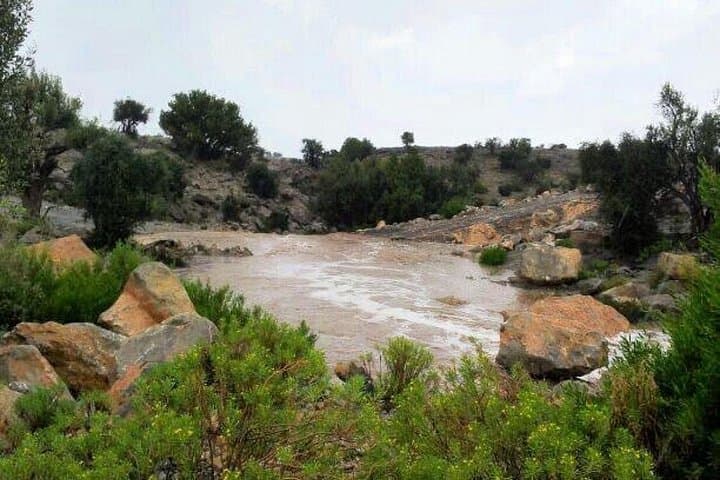


You climb out of the low desert and, within an hour, the landscape turns audibly: wind through dwarf trees, the tang of dry stone and citrus. The road tightens, a string of hairpins that earns the view at every bend. On arrival the Saiq Plateau spreads like an upland field—orchards, terraces, and stony ridgelines where clouds sometimes refuse to pass.
You climb out of the low desert and, within an hour, the landscape turns audibly: wind through dwarf trees, the tang of dry stone and citrus. The road tightens, a string of hairpins that earns the view at every bend. On arrival the Saiq Plateau spreads like an upland field—orchards, terraces, and stony ridgelines where clouds sometimes refuse to pass.
Geology here is mostly limestone carved by eons of rain and flash floods; cliffs and pale ravines mark the Al Hajar spine. Human history sits beside that geology—ancient falaj irrigation channels thread terraces in villages like Birkat al-Mawz, a former stronghold whose layout echoes nearby castles. Culture is pragmatic and agricultural: fruit, rose water, and pomegranate orchards survive because the mountain catches the scant 300 mm of annual precipitation that gives the range its “green” name.
Expect a vehicle-led day of short walks to viewpoints and village lanes rather than long hikes; most operators require a well-maintained 4WD for the road to the plateau. The experience is sensory—crunchy scree underfoot, the scent of citrus, and eagles mapping the air.
Practical guidance: travel light but layered (temperatures drop with elevation), carry sun protection and at least 2 liters of water per person, and confirm your operator’s vehicle condition and driver experience. Start early to avoid midday glare and allow time for altitude adjustments and photos. The terrain is fragile—stick to paths and respect terraced farms to help preserve this highland economy and its fragile ecosystems.