THE ADVENTURE COLLECTIVE® · Independent discovery and booking for outdoor travel

Climb the Hajar massif to the rose-scented plateaus of Jebel Akhdar, then descend into Nizwa’s restored fort and UNESCO falaj system. This two-day cultural and light-hiking tour combines mountain views, traditional rose distillation, and historic souqs.
Climb the Hajar massif to the rose-scented plateaus of Jebel Akhdar, then descend into Nizwa’s restored fort and UNESCO falaj system. This two-day cultural and light-hiking tour combines mountain views, traditional rose distillation, and historic souqs.
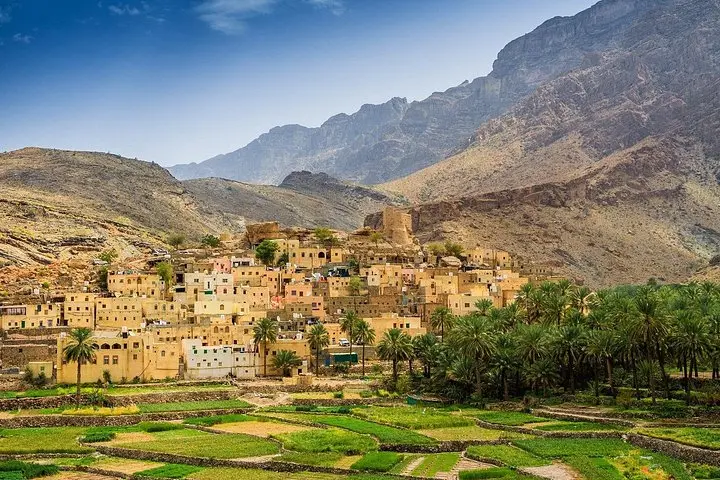
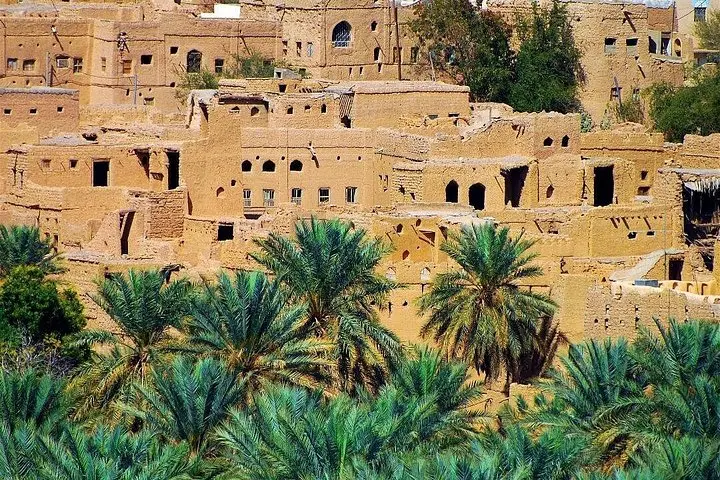
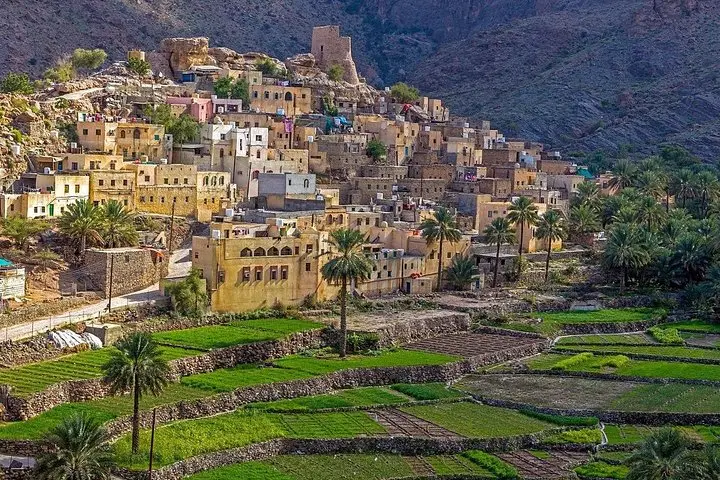
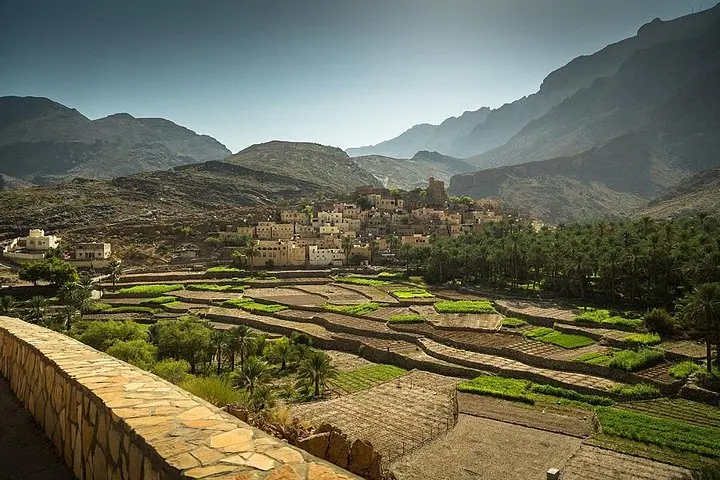
A cool wind meets the vehicle as it climbs out of the desert toward the Hajar range, and the plateau of Jebel Akhdar opens like a high garden. Roses, trimmed low and geometric, scent the air; terraced villages cling to steep contours while light slides across pale rock. The climb itself changes the day — the mountain seems to push back the heat of the lowlands and invites a slower pace.
Verified experiences and guided adventures in the surrounding area.
Operated by Golden Highlands · Nizwa, Ad Dakhiliyah
A cool wind meets the vehicle as it climbs out of the desert toward the Hajar range, and the plateau of Jebel Akhdar opens like a high garden. Roses, trimmed low and geometric, scent the air; terraced villages cling to steep contours while light slides across pale rock. The climb itself changes the day — the mountain seems to push back the heat of the lowlands and invites a slower pace.
This two-day itinerary pairs the living craft of rose oil production with Oman’s historical spine. The rose gardens around Saiq and Wadi Bani Habib feed a small industry that still mixes traditional distillation with modern bottling. Below, Nizwa’s restored fort and the Falaj al Daris irrigation channels recall centuries of water management and early Islamic architecture. Geologically, the Hajar Mountains are rugged ophiolite and limestone uplift — cliffs and terraces shaped by tectonics and seasonal rains.
Expect a mix of easy drives, short moderate walking, and cultural time in souqs and restored villages. The Balad Sayt approach includes a 1–2 hour moderate hike on uneven stone paths and alcoves, with a sunset viewpoint that photographers prize. Overnight is in Nizwa, with a return to Muscat at the tour’s end.
Plan for sun and altitude swings: layered clothing, 2–3 liters of water per person for daytime activities, and closed-toe shoes for village trails. Carry small bills for market purchases and be prepared to follow local dress and conduct norms when visiting religious and community sites. The tour balances sensory detail — scented air, stony trails — with practical pacing for travelers who want culture and light mountain hiking in one compact package.
Expect roughly a 2.5–3.5 hour drive depending on traffic and exact departure point; the route climbs into the Hajar Mountains and includes winding sections.
No — the factory tour is accessible, but the adjacent garden areas include uneven paths; the moderate hike at Balad Sayt is the more demanding component.
This tour description indicates admission is included for featured sites, but confirm with the operator at booking for specifics.
Children can join, but organizers note infants must sit on laps and some parts are not recommended for people with serious back or heart conditions.
Golden Highlands operates guided outdoor trips and adventures with an emphasis on safety, stewardship, and memorable experiences.
A cool wind meets the vehicle as it climbs out of the desert toward the Hajar range, and the plateau of Jebel Akhdar opens like a high garden. Roses, trimmed low and geometric, scent the air; terraced villages cling to steep contours while light slides across pale rock. The climb itself changes the day — the mountain seems to push back the heat of the lowlands and invites a slower pace.
A cool wind meets the vehicle as it climbs out of the desert toward the Hajar range, and the plateau of Jebel Akhdar opens like a high garden. Roses, trimmed low and geometric, scent the air; terraced villages cling to steep contours while light slides across pale rock. The climb itself changes the day — the mountain seems to push back the heat of the lowlands and invites a slower pace.
This two-day itinerary pairs the living craft of rose oil production with Oman’s historical spine. The rose gardens around Saiq and Wadi Bani Habib feed a small industry that still mixes traditional distillation with modern bottling. Below, Nizwa’s restored fort and the Falaj al Daris irrigation channels recall centuries of water management and early Islamic architecture. Geologically, the Hajar Mountains are rugged ophiolite and limestone uplift — cliffs and terraces shaped by tectonics and seasonal rains.
Expect a mix of easy drives, short moderate walking, and cultural time in souqs and restored villages. The Balad Sayt approach includes a 1–2 hour moderate hike on uneven stone paths and alcoves, with a sunset viewpoint that photographers prize. Overnight is in Nizwa, with a return to Muscat at the tour’s end.
Plan for sun and altitude swings: layered clothing, 2–3 liters of water per person for daytime activities, and closed-toe shoes for village trails. Carry small bills for market purchases and be prepared to follow local dress and conduct norms when visiting religious and community sites. The tour balances sensory detail — scented air, stony trails — with practical pacing for travelers who want culture and light mountain hiking in one compact package.