THE ADVENTURE COLLECTIVE® · Independent discovery and booking for outdoor travel

Drive from Salalah through coastal lagoons, UNESCO ruins, sinkholes, and highland panoramas on a vehicle-led Jebel Safari. This day tour pairs easy walks with cultural stops and dramatic geology.
Drive from Salalah through coastal lagoons, UNESCO ruins, sinkholes, and highland panoramas on a vehicle-led Jebel Safari. This day tour pairs easy walks with cultural stops and dramatic geology.
Morning light on the Dhofar coastline feels deliberate — a cool clarity that pushes the heat out to sea and leaves the cliffs sharp. This full-day Jebel Safari launches from Salalah, sweeping south along the coast to Taqa’s old governor’s house, then inland to the Khor Rori lagoon and the archaeological remains of Sumhuram, a Hadrami port that once routed frankincense and spices across the Indian Ocean.
Verified experiences and guided adventures in the surrounding area.
Operated by DhoIT - Dhofar International Tourism · Salalah, Dhofar
Morning light on the Dhofar coastline feels deliberate — a cool clarity that pushes the heat out to sea and leaves the cliffs sharp. This full-day Jebel Safari launches from Salalah, sweeping south along the coast to Taqa’s old governor’s house, then inland to the Khor Rori lagoon and the archaeological remains of Sumhuram, a Hadrami port that once routed frankincense and spices across the Indian Ocean.
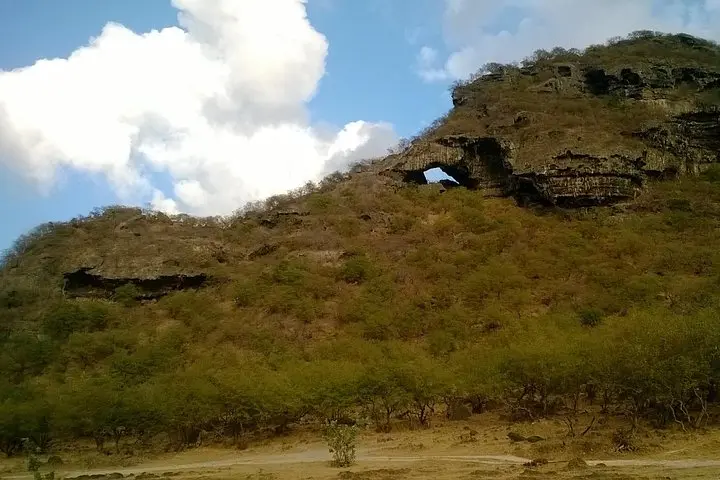
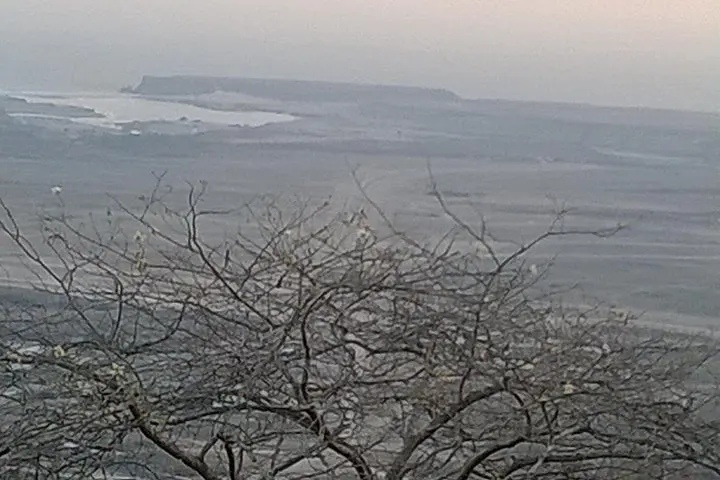
Geology here is a conversation between limestone plateaus and sinkholes. Tawi Attir, the deep bird’s well, is carved into folded rock and holds pockets of life — desert rose and dragon blood trees whose roots find purchase in unexpected places. Higher up the route reaches the edge of the Jebel Samhan massif, where the national reserve for the Arabian leopard begins; from the ridge you can see wadis threading down toward the coast and, on clear days, fishing dhows at Mirbat.
Culture and history are visible: the UNESCO-registered Sumhuram site, dhow harbors that still launch into seasonal winds, and village houses that preserve Omani domestic crafts and design.
Practical guidance: this is a vehicle-led tour with short stops and easy walking; bring sun protection, at least 1.5 liters of water, and a light layer for breezy ridges. Expect uneven ground at ruins and sinkholes — watch your footing. Photography windows open in the morning and late afternoon light; plan to keep valuables secure while exploring beaches and archaeological sites.
The tour is vehicle-led with short, easy walks at sites — expect 5–30 minute strolls rather than long hikes.
This itinerary typically includes admission where required; confirm at booking for any site-specific fees.
The trip is described as accessible with short walks; wheelchairs and infant seats can be accommodated but check in advance for specific mobility needs.
The khareef season (June–September) brings cooler temperatures and greener hills, though some roads or viewpoints may be busier.
DhoIT - Dhofar International Tourism operates guided outdoor trips and adventures with an emphasis on safety, stewardship, and memorable experiences.
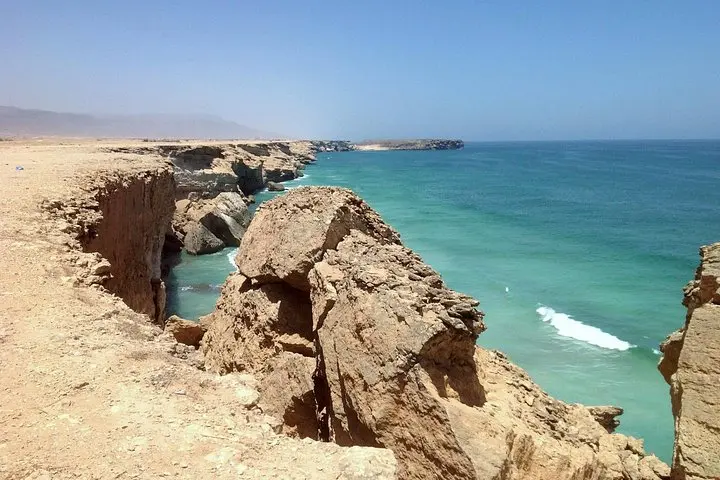
Morning light on the Dhofar coastline feels deliberate — a cool clarity that pushes the heat out to sea and leaves the cliffs sharp. This full-day Jebel Safari launches from Salalah, sweeping south along the coast to Taqa’s old governor’s house, then inland to the Khor Rori lagoon and the archaeological remains of Sumhuram, a Hadrami port that once routed frankincense and spices across the Indian Ocean.
Morning light on the Dhofar coastline feels deliberate — a cool clarity that pushes the heat out to sea and leaves the cliffs sharp. This full-day Jebel Safari launches from Salalah, sweeping south along the coast to Taqa’s old governor’s house, then inland to the Khor Rori lagoon and the archaeological remains of Sumhuram, a Hadrami port that once routed frankincense and spices across the Indian Ocean.
Geology here is a conversation between limestone plateaus and sinkholes. Tawi Attir, the deep bird’s well, is carved into folded rock and holds pockets of life — desert rose and dragon blood trees whose roots find purchase in unexpected places. Higher up the route reaches the edge of the Jebel Samhan massif, where the national reserve for the Arabian leopard begins; from the ridge you can see wadis threading down toward the coast and, on clear days, fishing dhows at Mirbat.
Culture and history are visible: the UNESCO-registered Sumhuram site, dhow harbors that still launch into seasonal winds, and village houses that preserve Omani domestic crafts and design.
Practical guidance: this is a vehicle-led tour with short stops and easy walking; bring sun protection, at least 1.5 liters of water, and a light layer for breezy ridges. Expect uneven ground at ruins and sinkholes — watch your footing. Photography windows open in the morning and late afternoon light; plan to keep valuables secure while exploring beaches and archaeological sites.