THE ADVENTURE COLLECTIVE® · Independent discovery and booking for outdoor travel

A full-day drive from Muscat leads to Jebel Shams’ dramatic rim—known as Oman’s Grand Canyon—where the Balcony Walk traces an exposed shelf and finishes with a stroll through the 400-year-old mud-brick village of Al Hamra. Expect high-elevation winds, short exposed sections, and unforgettable canyon views.
A full-day drive from Muscat leads to Jebel Shams’ dramatic rim—known as Oman’s Grand Canyon—where the Balcony Walk traces an exposed shelf and finishes with a stroll through the 400-year-old mud-brick village of Al Hamra. Expect high-elevation winds, short exposed sections, and unforgettable canyon views.
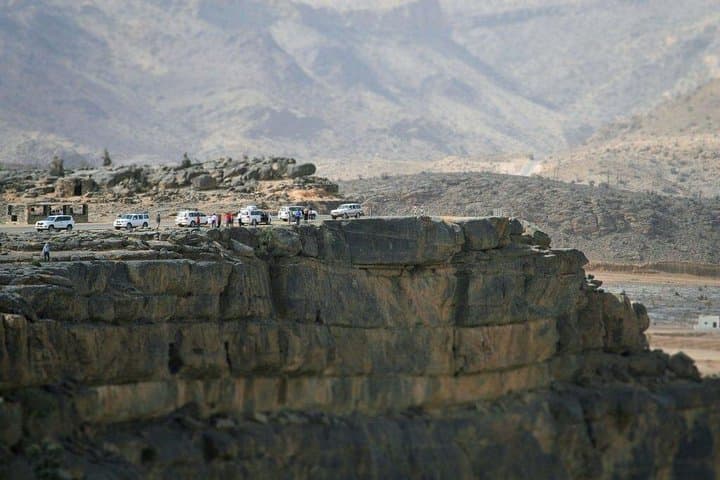
You step out onto the flat plateau and the wind immediately names the canyon: sharp, unhurried, and vast. On one side the rim drops away into Oman’s ‘Grand Canyon’—a semi-circular cleft carved in limestone and shale—while the trail threads along a narrow shelf called the Balcony Walk. The air at 3,000 m is thin, the light raw, and the canyon seems to dare you to look over.
Verified experiences and guided adventures in the surrounding area.
Operated by Golden Highlands · Al Hamra, Ad Dakhiliyah
You step out onto the flat plateau and the wind immediately names the canyon: sharp, unhurried, and vast. On one side the rim drops away into Oman’s ‘Grand Canyon’—a semi-circular cleft carved in limestone and shale—while the trail threads along a narrow shelf called the Balcony Walk. The air at 3,000 m is thin, the light raw, and the canyon seems to dare you to look over.
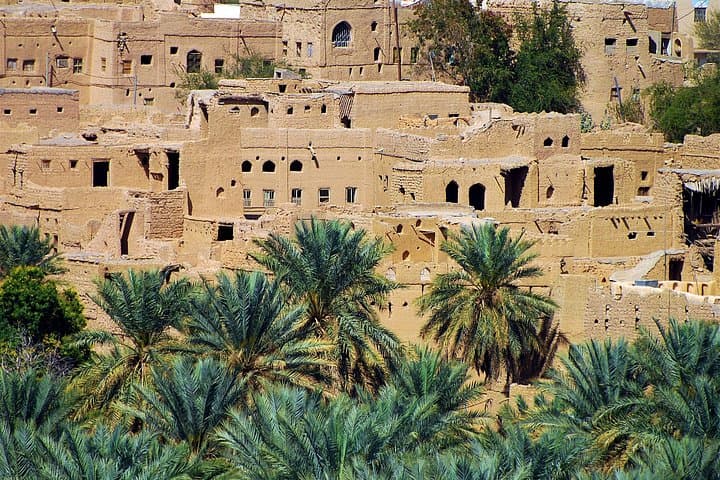
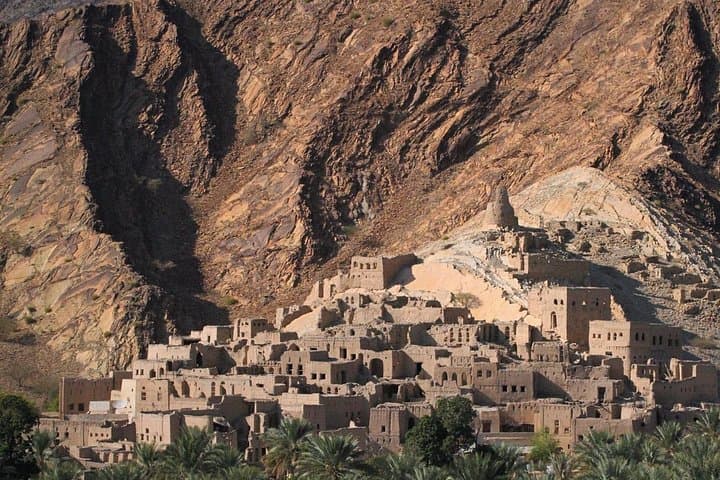
Geology here reads like a slow-motion story: uplifted Hajar Mountains folded and fractured, then carved by millennia of flash floods into steep cliffs and terraces. Human history sits lower on the slopes—Al Hamra’s 400-year-old mud-brick houses and falaj irrigation channels speak to water-wise village life that persisted where the mountains yield a little soil.
The guided day trip from Muscat combines a drive up twisting mountain roads with a 4–6 km rim walk (moderate, exposed sections) and a wander through Al Hamra’s abandoned streets. Expect short steep pitches, loose scree near the edge, and sections where a sure foot and comfort with heights matter more than technical gear.
Practical edge: start early to avoid midday wind and capture the canyon in soft light; carry at least 2–3 liters of water, layered clothing for sudden cold or hail, and sun protection. Wear sturdy boots with ankle support and use trekking poles if you’re uneasy near drops. The tour returns to Muscat in the evening; it’s a long day but delivers sweeping views, cultural texture, and a clear sense of Oman’s mountain backbone.
The guided rim hike typically covers 4–6 km along the plateau and rim with stops for photos; the entire tour including drives lasts about 8–12 hours.
There are exposed sections with sheer drops; the route is considered moderate but not suitable for those who are uncomfortable with heights.
Yes—most operators provide pickup from Muscat hotels or designated meeting points, typically about 60 minutes before departure.
Not recommended for young children unsupervised or travelers with serious back, pregnancy, or cardiovascular conditions due to altitude, exposure, and long day duration.
Golden Highlands operates guided outdoor trips and adventures with an emphasis on safety, stewardship, and memorable experiences.
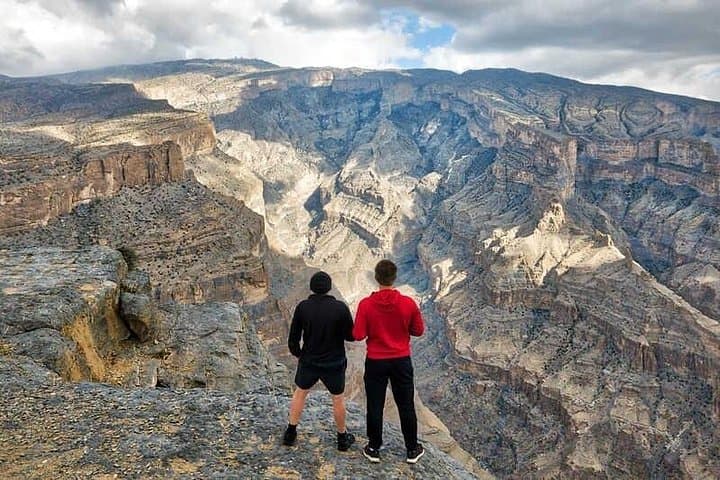
You step out onto the flat plateau and the wind immediately names the canyon: sharp, unhurried, and vast. On one side the rim drops away into Oman’s ‘Grand Canyon’—a semi-circular cleft carved in limestone and shale—while the trail threads along a narrow shelf called the Balcony Walk. The air at 3,000 m is thin, the light raw, and the canyon seems to dare you to look over.
You step out onto the flat plateau and the wind immediately names the canyon: sharp, unhurried, and vast. On one side the rim drops away into Oman’s ‘Grand Canyon’—a semi-circular cleft carved in limestone and shale—while the trail threads along a narrow shelf called the Balcony Walk. The air at 3,000 m is thin, the light raw, and the canyon seems to dare you to look over.
Geology here reads like a slow-motion story: uplifted Hajar Mountains folded and fractured, then carved by millennia of flash floods into steep cliffs and terraces. Human history sits lower on the slopes—Al Hamra’s 400-year-old mud-brick houses and falaj irrigation channels speak to water-wise village life that persisted where the mountains yield a little soil.
The guided day trip from Muscat combines a drive up twisting mountain roads with a 4–6 km rim walk (moderate, exposed sections) and a wander through Al Hamra’s abandoned streets. Expect short steep pitches, loose scree near the edge, and sections where a sure foot and comfort with heights matter more than technical gear.
Practical edge: start early to avoid midday wind and capture the canyon in soft light; carry at least 2–3 liters of water, layered clothing for sudden cold or hail, and sun protection. Wear sturdy boots with ankle support and use trekking poles if you’re uneasy near drops. The tour returns to Muscat in the evening; it’s a long day but delivers sweeping views, cultural texture, and a clear sense of Oman’s mountain backbone.