THE ADVENTURE COLLECTIVE® · Independent discovery and booking for outdoor travel

An eight-day circuit from Marrakech to the summit of Jebel Toubkal that mixes high passes, Berber village life and alpine camps. Expect long days, mule support, and a non-technical but physically demanding summit at 4,167 m.
An eight-day circuit from Marrakech to the summit of Jebel Toubkal that mixes high passes, Berber village life and alpine camps. Expect long days, mule support, and a non-technical but physically demanding summit at 4,167 m.
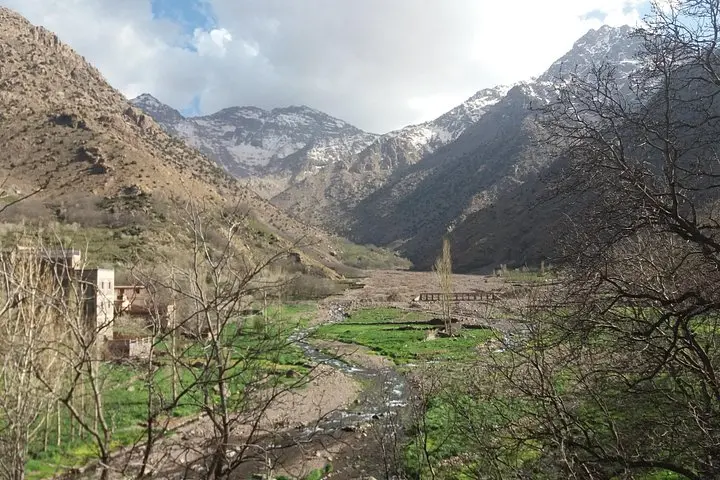
You leave Marrakech behind and the city’s heat peels away as the road climbs toward Imlil; the High Atlas tightens around you, rock faces and terraced fields moving in like chapters of a long, patient book.
Verified experiences and guided adventures in the surrounding area.
Operated by EASYGO TOURS · Imlil, Marrakech-Safi
You leave Marrakech behind and the city’s heat peels away as the road climbs toward Imlil; the High Atlas tightens around you, rock faces and terraced fields moving in like chapters of a long, patient book.
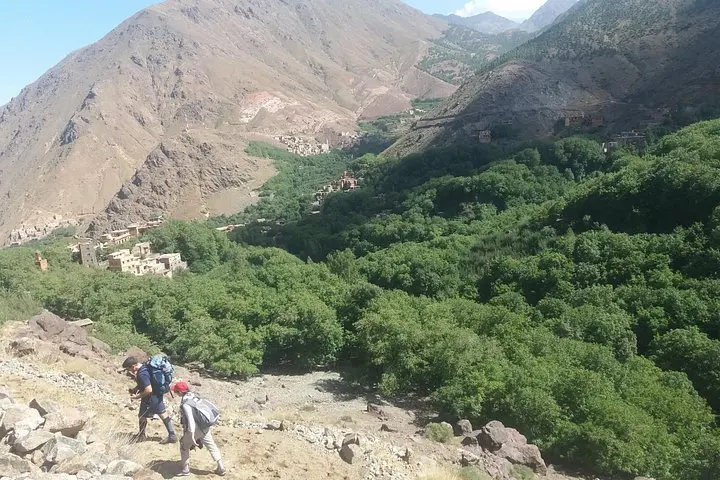
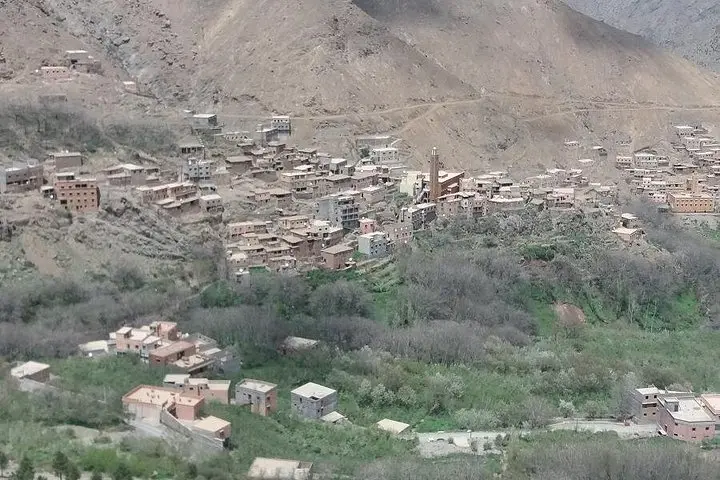
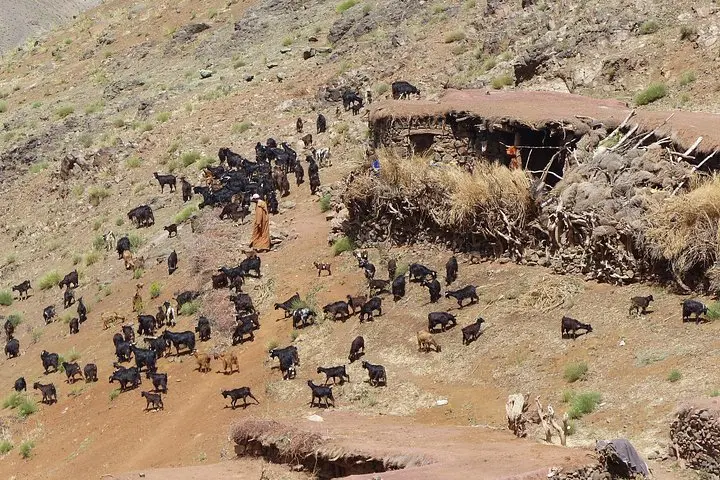
Over eight days the route threads through remote Berber villages, crosses high passes, and pushes up scree toward Jebel Toubkal — North Africa’s highest peak at 4,167 m. The geology here is rugged: folded sedimentary layers cut by seasonal torrents, limestone ridges giving way to volcanic caps on the distant Anti-Atlas and Siroua massifs. Villages are adobe and stone, with flat roofs and narrow alleys where Amazigh (Berber) culture remains visible in language, craft and communal kitchens.
Camps and local guesthouses provide base points; mules are used to move gear and one or two nights are spent in the Toubkal refuge before the summit push. Expect long ascents, loose talus and sudden weather swings — sun can burn in the valley while a cold wind scrapes the ridge.
Practically: arrive in Marrakech a day early to sort permits and gear. Build in an easier day for acclimatization in Imlil and carry layered clothing, a warm sleeping bag, and an alcohol-stove-ready cook kit if you’ll be on shared camp food. Hydrate consistently, use trekking poles to protect knees on descent, and respect local customs in villages — modest dress and asking before photographing people. With basic fitness and good boots, the trek is non-technical but physically demanding; the summit rewards steady pacing and early starts with broad views over a landscape that keeps reshaping itself with each contour line.
No technical climbing is required on the normal Toubkal route; it is a strenuous hike and occasionally involves simple scrambling or walking on snow in season.
Late spring to early autumn (May–October) offers the most stable conditions; winter brings deep snow and requires mountaineering experience and equipment.
The itinerary typically includes mule support and a cook during the trek to carry gear and prepare communal meals on most camping nights.
A local mountain guide is strongly recommended for safety, route-finding and cultural liaison; formal permits are not usually required but refuge overnight bookings and park regulations should be coordinated by your operator.
EASYGO TOURS operates guided outdoor trips and adventures with an emphasis on safety, stewardship, and memorable experiences.
You leave Marrakech behind and the city’s heat peels away as the road climbs toward Imlil; the High Atlas tightens around you, rock faces and terraced fields moving in like chapters of a long, patient book.
You leave Marrakech behind and the city’s heat peels away as the road climbs toward Imlil; the High Atlas tightens around you, rock faces and terraced fields moving in like chapters of a long, patient book.
Over eight days the route threads through remote Berber villages, crosses high passes, and pushes up scree toward Jebel Toubkal — North Africa’s highest peak at 4,167 m. The geology here is rugged: folded sedimentary layers cut by seasonal torrents, limestone ridges giving way to volcanic caps on the distant Anti-Atlas and Siroua massifs. Villages are adobe and stone, with flat roofs and narrow alleys where Amazigh (Berber) culture remains visible in language, craft and communal kitchens.
Camps and local guesthouses provide base points; mules are used to move gear and one or two nights are spent in the Toubkal refuge before the summit push. Expect long ascents, loose talus and sudden weather swings — sun can burn in the valley while a cold wind scrapes the ridge.
Practically: arrive in Marrakech a day early to sort permits and gear. Build in an easier day for acclimatization in Imlil and carry layered clothing, a warm sleeping bag, and an alcohol-stove-ready cook kit if you’ll be on shared camp food. Hydrate consistently, use trekking poles to protect knees on descent, and respect local customs in villages — modest dress and asking before photographing people. With basic fitness and good boots, the trek is non-technical but physically demanding; the summit rewards steady pacing and early starts with broad views over a landscape that keeps reshaping itself with each contour line.