THE ADVENTURE COLLECTIVE® · Independent discovery and booking for outdoor travel

Drive the Corniche, watch King Fahd’s Fountain light the evening, then move from the modern waterfront into the coral-stone alleys of Al-Balad. This full-day tour from Makkah pairs seaside panoramas with Hijazi heritage.
Drive the Corniche, watch King Fahd’s Fountain light the evening, then move from the modern waterfront into the coral-stone alleys of Al-Balad. This full-day tour from Makkah pairs seaside panoramas with Hijazi heritage.
You arrive on the waterfront as the Red Sea throws back light like a restless mirror. The Corniche unfurls for 30 km—the road, parks, and public art moving past as the sea dares you to slow down and look. King Fahd’s Fountain punctuates the skyline, a vertical plume best seen after dusk when its jet slices into the night.
Verified experiences and guided adventures in the surrounding area.
Operated by Desert Point Tourism LLC · Jeddah, Makkah Province
You arrive on the waterfront as the Red Sea throws back light like a restless mirror. The Corniche unfurls for 30 km—the road, parks, and public art moving past as the sea dares you to slow down and look. King Fahd’s Fountain punctuates the skyline, a vertical plume best seen after dusk when its jet slices into the night.
This full-day route stitches coastal geology and civic history. Jeddah grew where limestone and coral meet deep-water trade routes; its coral-stone houses in Al-Balad recall a time when the port handled frankincense, spices, and pilgrims bound for the holy cities. Tayyebat Museum showcases Hijazi architectural forms—intricate woodwork, carved ceilings, and displays tracing the city’s role as a Red Sea crossroads.
Walking Al-Balad means narrow alleys, Roshan carved balconies, and markets where spices scent the air and local cafés serve strong coffee. The modern waterfront and seaside promenades contrast sharply with the coral-masonry neighborhoods, giving a concrete sense of Jeddah’s layered identity.
Practical guidance: reserve the late afternoon to catch the fountain and cooler walking conditions. Expect uneven paving in historic districts—sturdy shoes matter. Bring sun protection and a reusable water bottle; summer can be intensely hot. Lunch is on your own; try Hijazi mezzes or grilled fish near the souqs. Many sites are accessible by vehicle, but Al-Balad’s lanes can be tight for larger groups. For photographers, the golden hour along the Corniche and the warm textures of Al-Balad make the best light. This itinerary balances seaside panoramas with cultural depth—an efficient way to see Jeddah in a day.
The tour includes transportation, entrance fees listed by the operator, lunch (on your own), and audio guiding with a driver-escort as specified by the provider.
Yes—the fountain is visible daytime, but its full illuminated display is best experienced after sunset when the jet and lights are active.
Visits to Jeddah’s public museums, Corniche and Al-Balad are generally open to all; however, certain pilgrimage-only areas around Makkah are restricted to Muslims—confirm any departure or return logistics with the operator.
Some waterfront sites and museums have accessibility, but Al-Balad’s narrow, uneven alleys can be difficult for wheelchairs—ask the operator about routing and assistance options.
Desert Point Tourism LLC operates guided outdoor trips and adventures with an emphasis on safety, stewardship, and memorable experiences.


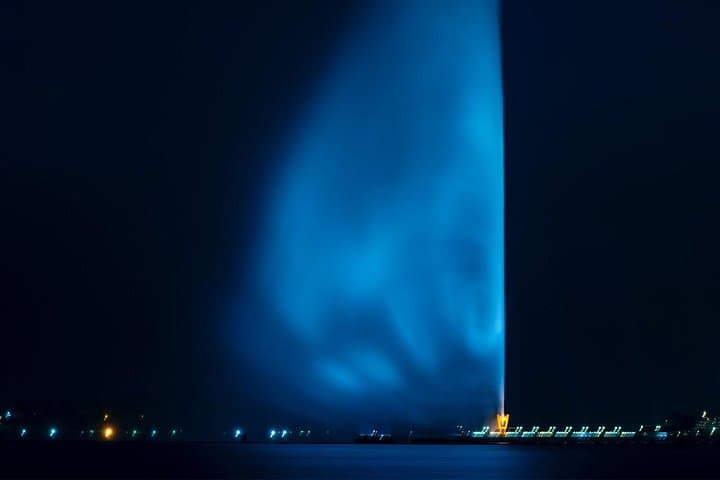

You arrive on the waterfront as the Red Sea throws back light like a restless mirror. The Corniche unfurls for 30 km—the road, parks, and public art moving past as the sea dares you to slow down and look. King Fahd’s Fountain punctuates the skyline, a vertical plume best seen after dusk when its jet slices into the night.
You arrive on the waterfront as the Red Sea throws back light like a restless mirror. The Corniche unfurls for 30 km—the road, parks, and public art moving past as the sea dares you to slow down and look. King Fahd’s Fountain punctuates the skyline, a vertical plume best seen after dusk when its jet slices into the night.
This full-day route stitches coastal geology and civic history. Jeddah grew where limestone and coral meet deep-water trade routes; its coral-stone houses in Al-Balad recall a time when the port handled frankincense, spices, and pilgrims bound for the holy cities. Tayyebat Museum showcases Hijazi architectural forms—intricate woodwork, carved ceilings, and displays tracing the city’s role as a Red Sea crossroads.
Walking Al-Balad means narrow alleys, Roshan carved balconies, and markets where spices scent the air and local cafés serve strong coffee. The modern waterfront and seaside promenades contrast sharply with the coral-masonry neighborhoods, giving a concrete sense of Jeddah’s layered identity.
Practical guidance: reserve the late afternoon to catch the fountain and cooler walking conditions. Expect uneven paving in historic districts—sturdy shoes matter. Bring sun protection and a reusable water bottle; summer can be intensely hot. Lunch is on your own; try Hijazi mezzes or grilled fish near the souqs. Many sites are accessible by vehicle, but Al-Balad’s lanes can be tight for larger groups. For photographers, the golden hour along the Corniche and the warm textures of Al-Balad make the best light. This itinerary balances seaside panoramas with cultural depth—an efficient way to see Jeddah in a day.