THE ADVENTURE COLLECTIVE® · Independent discovery and booking for outdoor travel

Ride a 1954 Willys into the coffee hills above Jardín, pick beans by hand, tour traditional processing stages, and finish with a cup of farm-roasted Mariposa coffee. A short, immersive visit into Antioquia’s coffee culture at 1,800 m.
Ride a 1954 Willys into the coffee hills above Jardín, pick beans by hand, tour traditional processing stages, and finish with a cup of farm-roasted Mariposa coffee. A short, immersive visit into Antioquia’s coffee culture at 1,800 m.
The engine of a 1954 Willys Jeep grumbles up a narrow dirt road and the valley opens: cloud-lit ridges, banana stands, and rows of bright-green coffee trees climbing the slope. At 1,800 m, Finca Mariposa sits like a working lookout — six thousand coffee bushes fanning out toward a dramatic mountain vista that shifts with the sun.
Verified experiences and guided adventures in the surrounding area.
Operated by Finca Mariposa Coffee and Jeep Tour · Jardín, Antioquia
The engine of a 1954 Willys Jeep grumbles up a narrow dirt road and the valley opens: cloud-lit ridges, banana stands, and rows of bright-green coffee trees climbing the slope. At 1,800 m, Finca Mariposa sits like a working lookout — six thousand coffee bushes fanning out toward a dramatic mountain vista that shifts with the sun.
Colombian coffee has long shaped life here; Antioquia’s small farms and cooperative traditions built the supply chain that put Colombian beans on the world map. The geology — steep volcanic soils and persistent mountain humidity — creates the balanced acids and floral notes that growers prize. Local culture still orbits the harvest: family-run plots, hand tools, and rhythms tied to sun and weather.
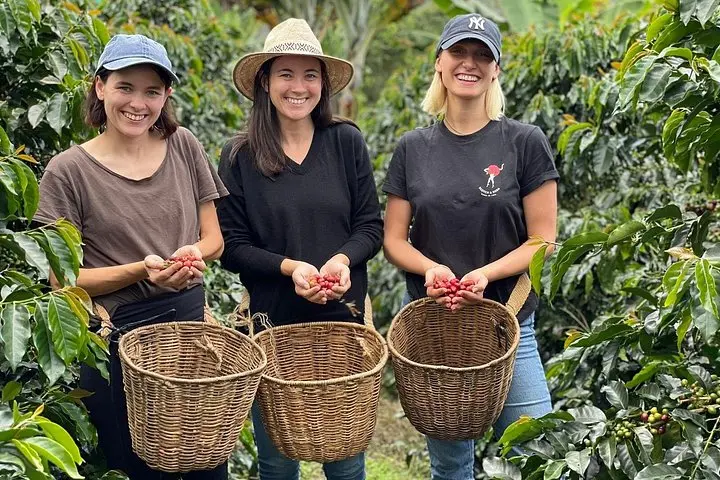
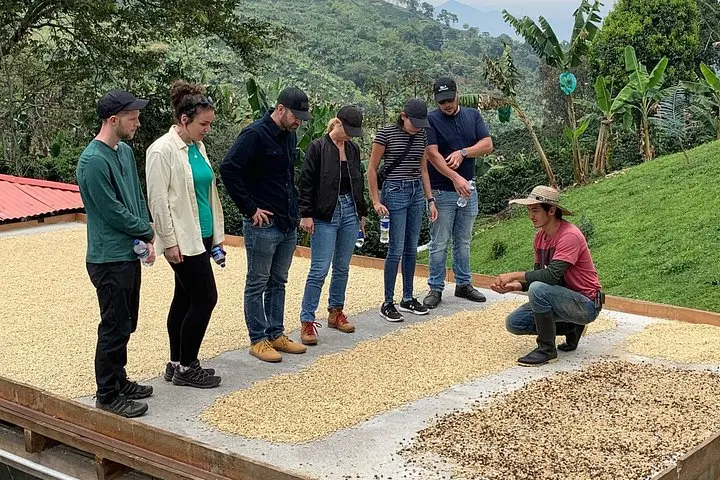
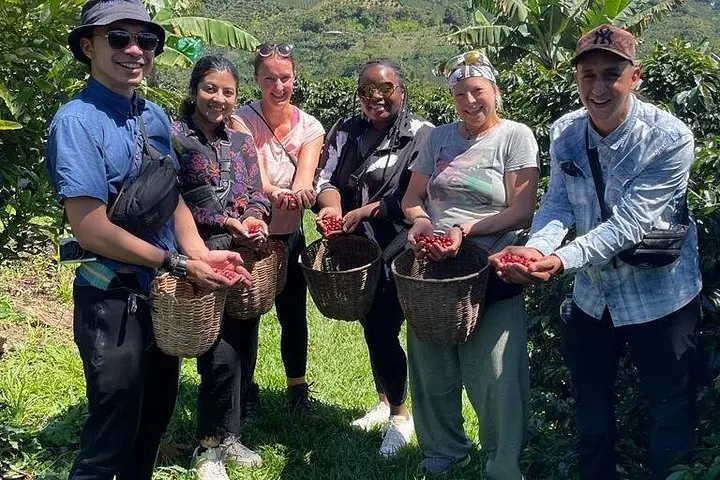
On this three-hour tour you ride in a vintage Willys into the coffee zone, learn the history of regional coffee production, and don a traditional picking basket to harvest ripe cherries alongside local farmers. You’ll follow the bean through washing, fermentation, and onto raised drying beds where beans sun-dry under open air; guides explain how elevation and processing shape flavor. The experience closes with a cup of Mariposa coffee and a homemade pastry on the farm’s terrace.
Practical notes: wear sturdy shoes for uneven plantation paths, bring sun and rain protection, and carry a water bottle. Mornings are cooler and misty — plan for layers. Photography is excellent from the drying beds and the farm’s viewpoint; ask before entering family work areas. The tour suits light walkers and anyone curious about how single-origin coffee is grown and processed.
Yes—private transportation is provided; pickup is typically at 8:30 AM from the meeting point arranged when you book.
Yes—infants can ride in strollers and must sit on laps; the tour is suitable for a range of ages but involves walking in fields.
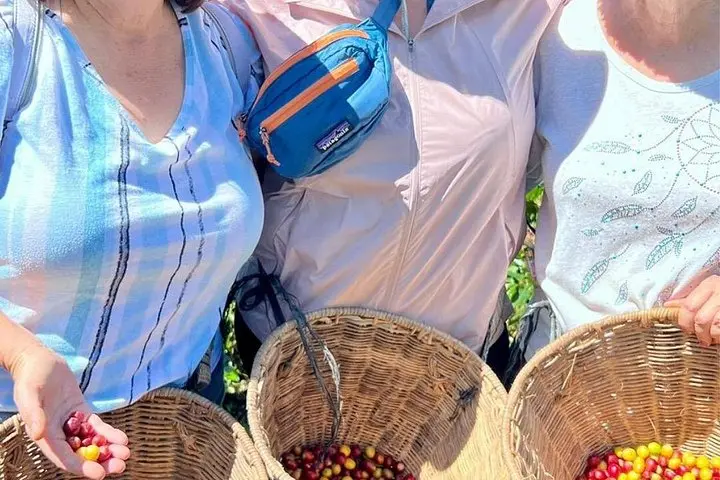
Yes—guests receive a traditional picking basket and are invited to harvest ripe cherries under guide supervision.
Yes—the tour ends with a cup of Mariposa coffee and a homemade pastry; notify guides of dietary restrictions when booking.
Finca Mariposa Coffee and Jeep Tour operates guided outdoor trips and adventures with an emphasis on safety, stewardship, and memorable experiences.
The engine of a 1954 Willys Jeep grumbles up a narrow dirt road and the valley opens: cloud-lit ridges, banana stands, and rows of bright-green coffee trees climbing the slope. At 1,800 m, Finca Mariposa sits like a working lookout — six thousand coffee bushes fanning out toward a dramatic mountain vista that shifts with the sun.
The engine of a 1954 Willys Jeep grumbles up a narrow dirt road and the valley opens: cloud-lit ridges, banana stands, and rows of bright-green coffee trees climbing the slope. At 1,800 m, Finca Mariposa sits like a working lookout — six thousand coffee bushes fanning out toward a dramatic mountain vista that shifts with the sun.
Colombian coffee has long shaped life here; Antioquia’s small farms and cooperative traditions built the supply chain that put Colombian beans on the world map. The geology — steep volcanic soils and persistent mountain humidity — creates the balanced acids and floral notes that growers prize. Local culture still orbits the harvest: family-run plots, hand tools, and rhythms tied to sun and weather.
On this three-hour tour you ride in a vintage Willys into the coffee zone, learn the history of regional coffee production, and don a traditional picking basket to harvest ripe cherries alongside local farmers. You’ll follow the bean through washing, fermentation, and onto raised drying beds where beans sun-dry under open air; guides explain how elevation and processing shape flavor. The experience closes with a cup of Mariposa coffee and a homemade pastry on the farm’s terrace.
Practical notes: wear sturdy shoes for uneven plantation paths, bring sun and rain protection, and carry a water bottle. Mornings are cooler and misty — plan for layers. Photography is excellent from the drying beds and the farm’s viewpoint; ask before entering family work areas. The tour suits light walkers and anyone curious about how single-origin coffee is grown and processed.