THE ADVENTURE COLLECTIVE® · Independent discovery and booking for outdoor travel

Drive into Arrábida’s limestone ridges, explore a hidden cave chapel and finish with a local wine tasting. This four-hour jeep tour blends geology, history and coastal scenery for an efficient taste of southern Portugal.
Drive into Arrábida’s limestone ridges, explore a hidden cave chapel and finish with a local wine tasting. This four-hour jeep tour blends geology, history and coastal scenery for an efficient taste of southern Portugal.
The jeep turns off the coastal road and the scent of limestone and wild thyme immediately fills the air. You climb through low, scrubby hills; the ocean glints on one side while karst cliffs fall away to tiny coves on the other. Dust rises in the wake of tires as the guide points toward a hidden chapel carved into the rock—a place that feels discovered, not advertised.
Verified experiences and guided adventures in the surrounding area.
Operated by Discover The Nature - Outdoor Events · Setúbal, Setúbal
The jeep turns off the coastal road and the scent of limestone and wild thyme immediately fills the air. You climb through low, scrubby hills; the ocean glints on one side while karst cliffs fall away to tiny coves on the other. Dust rises in the wake of tires as the guide points toward a hidden chapel carved into the rock—a place that feels discovered, not advertised.
Arrábida Natural Park sits on a narrow peninsula south of Lisbon, a biogenetic reserve defined by Mediterranean scrub, limestone ridges and small, sheltered beaches. Human history here layers Roman and Moorish occupation, medieval castles like Palmela’s strategic hilltop fortress, and centuries of winemaking; José Maria da Fonseca’s family cellar in Setúbal dates to the 19th century and anchors the region’s vinicultural identity.
Geology matters on this route: karst limestone creates caves and steep escarpments, while sheltered coves produce clear, calm water—ideal for spotting dolphins offshore. Culture is tactile too: salt-of-the-earth villages, fishing harbors and vineyards that favor Moscatel and robust red blends.
Practical note: the tour is about four hours and mostly vehicle-based but includes short walks to viewpoints and caves—wear sturdy shoes and bring sun protection. Hydrate; bottled water is provided but carry a refillable bottle to reduce waste. Morning or late-afternoon departures provide cooler temperatures and better light for photos. Expect unpaved tracks and narrow lanes—motion-sensitive travelers may want to sit up front. Finally, give the landscape space: stick to trails, avoid trampling vegetation and respect private vineyards during tastings.
The tour lasts about four hours and begins and ends at the same meeting point in the Setúbal area.
Yes—infant seats and stroller accessibility are available, but check with the operator when booking for specific arrangements.
Yes, the itinerary includes a visit with wine tasting at a traditional Setúbal cellar.
This tour is not recommended for travelers with spinal injuries or for pregnant visitors due to bumpy, off-road segments.
Discover The Nature - Outdoor Events operates guided outdoor trips and adventures with an emphasis on safety, stewardship, and memorable experiences.
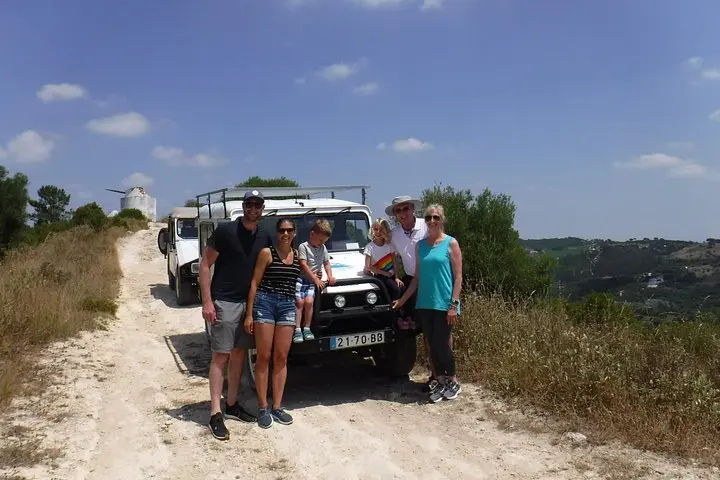
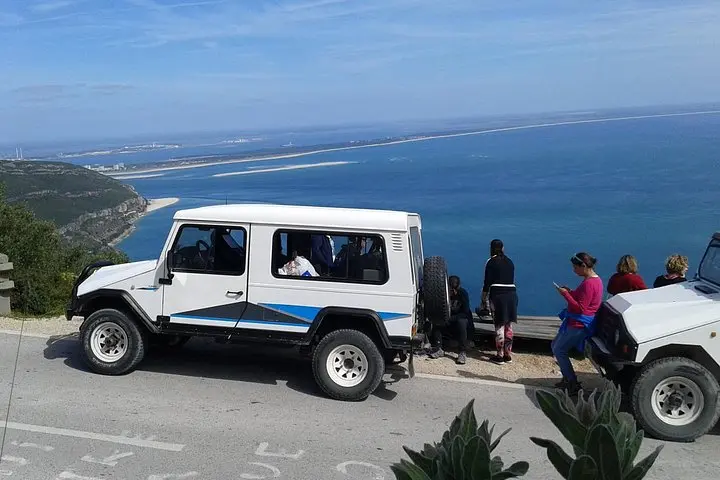
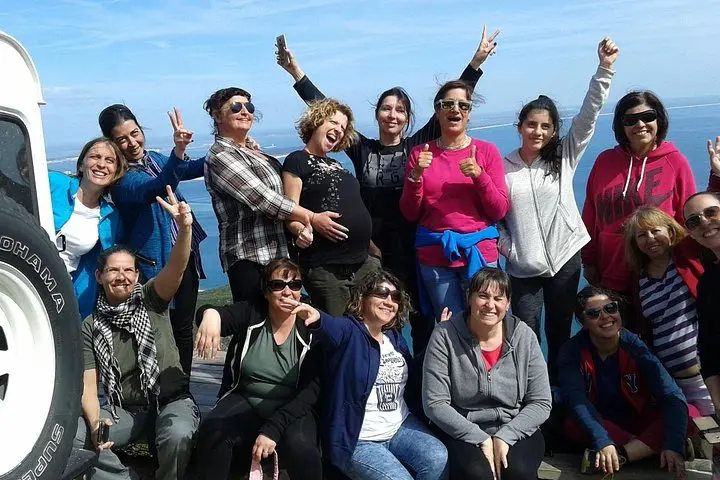
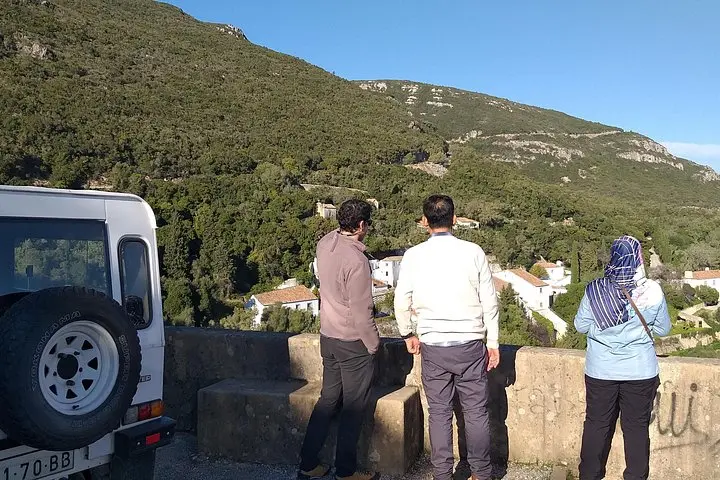
The jeep turns off the coastal road and the scent of limestone and wild thyme immediately fills the air. You climb through low, scrubby hills; the ocean glints on one side while karst cliffs fall away to tiny coves on the other. Dust rises in the wake of tires as the guide points toward a hidden chapel carved into the rock—a place that feels discovered, not advertised.
The jeep turns off the coastal road and the scent of limestone and wild thyme immediately fills the air. You climb through low, scrubby hills; the ocean glints on one side while karst cliffs fall away to tiny coves on the other. Dust rises in the wake of tires as the guide points toward a hidden chapel carved into the rock—a place that feels discovered, not advertised.
Arrábida Natural Park sits on a narrow peninsula south of Lisbon, a biogenetic reserve defined by Mediterranean scrub, limestone ridges and small, sheltered beaches. Human history here layers Roman and Moorish occupation, medieval castles like Palmela’s strategic hilltop fortress, and centuries of winemaking; José Maria da Fonseca’s family cellar in Setúbal dates to the 19th century and anchors the region’s vinicultural identity.
Geology matters on this route: karst limestone creates caves and steep escarpments, while sheltered coves produce clear, calm water—ideal for spotting dolphins offshore. Culture is tactile too: salt-of-the-earth villages, fishing harbors and vineyards that favor Moscatel and robust red blends.
Practical note: the tour is about four hours and mostly vehicle-based but includes short walks to viewpoints and caves—wear sturdy shoes and bring sun protection. Hydrate; bottled water is provided but carry a refillable bottle to reduce waste. Morning or late-afternoon departures provide cooler temperatures and better light for photos. Expect unpaved tracks and narrow lanes—motion-sensitive travelers may want to sit up front. Finally, give the landscape space: stick to trails, avoid trampling vegetation and respect private vineyards during tastings.