THE ADVENTURE COLLECTIVE® · Independent discovery and booking for outdoor travel

Three days of jeep safaris, canoeing and Tharu village visits in Chitwan National Park—home to one-horned rhinos, Bengal tigers and more than 540 bird species. Learn what to expect, when to go and how to prepare for safe, respectful wildlife viewing.
Three days of jeep safaris, canoeing and Tharu village visits in Chitwan National Park—home to one-horned rhinos, Bengal tigers and more than 540 bird species. Learn what to expect, when to go and how to prepare for safe, respectful wildlife viewing.
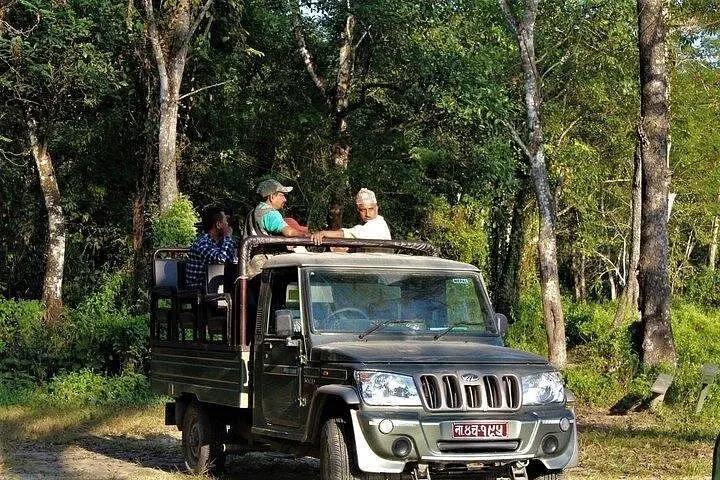
Morning light slices through tall Sal trees as your jeep rumbles off the park road and the forest seems to inhale. Grasses bow and riverine scrub crowd the trail; somewhere ahead a horn or a birdcall answers. This is Chitwan—Terai lowland jungle where the Rapti dares you to look closer and the undergrowth keeps its own hours.
Verified experiences and guided adventures in the surrounding area.
Operated by Himalayan Smile Treks and Adventure Pvt. Ltd · Sauraha, Bagmati Province
Morning light slices through tall Sal trees as your jeep rumbles off the park road and the forest seems to inhale. Grasses bow and riverine scrub crowd the trail; somewhere ahead a horn or a birdcall answers. This is Chitwan—Terai lowland jungle where the Rapti dares you to look closer and the undergrowth keeps its own hours.
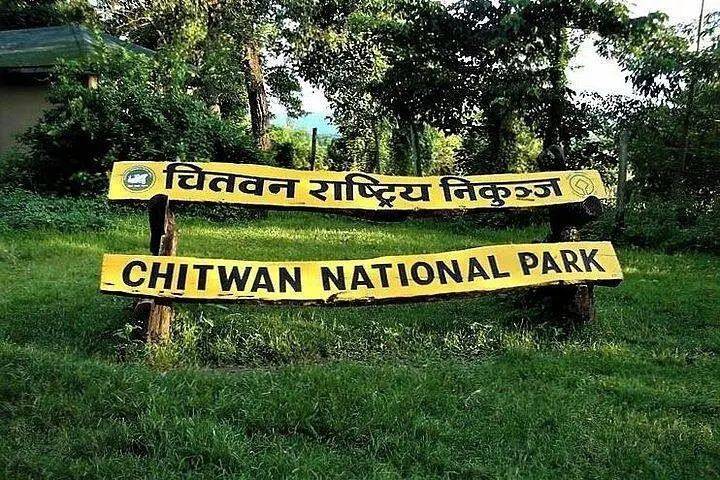
Established in 1973 and inscribed as a UNESCO World Heritage Site in 1984, Chitwan National Park protects river valleys and the Churia foothills ranging from roughly 100–850 meters in elevation. The geology is recent alluvium—flat floodplains, oxbow lakes and seasonal channels that shape wildlife movement and create the park’s mosaic of grassland and Sal-dominated forest.
Culturally, visits often include Tharu village walks and evening dance performances; the Tharu people have managed this landscape for generations and remain central to community-based conservation efforts. Wildlife highlights are unmistakable: Greater one-horned rhinoceros and elusive Bengal tigers, alongside 68 mammal species and over 540 bird species—raptors, waders and kingfishers that follow water’s mood.
Practically: this is a three-day program with domestic flights to Bharatpur (about 30 minutes from Kathmandu), jeep safaris into core zones, canoeing on the Rapti, and guided early-morning bird walks. Expect humid, subtropical conditions—lightweight, layered clothing works best; mornings are coolest and wildlife-active, so schedule safaris at dawn and dusk. Bring binoculars, a rain layer in the monsoon, insect repellent, and follow your naturalist guide’s instructions for safety and minimal disturbance. Park entry fees and a naturalist guide are typically included; respect local communities and avoid flash photography near animals.
Most itineraries include a 25–35 minute domestic flight to Bharatpur followed by a short transfer to Sauraha and your hotel; private vehicle transfers are also an option.
Rhinos are commonly seen on jeep and river safaris; tigers are rare and elusive—sightings depend on luck, timing and habitat movements.
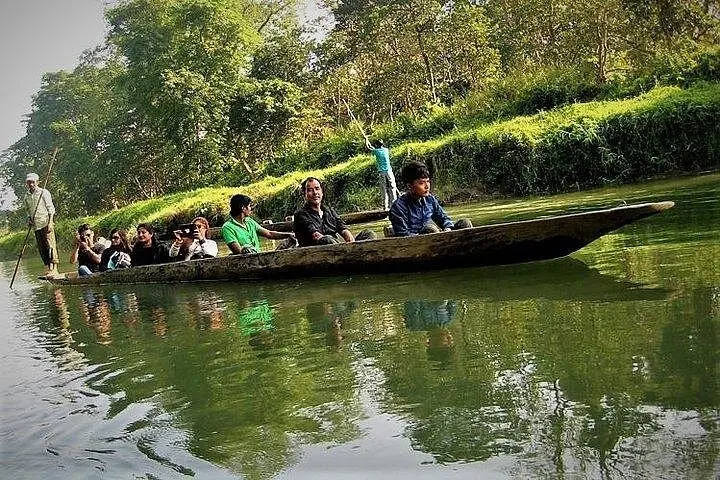
Canoeing is usually scheduled in calmer river conditions; operators may alter or cancel river activities during high flows for safety.
Many packages include national park entry and a naturalist guide—confirm inclusions on booking to avoid surprises.
Himalayan Smile Treks and Adventure Pvt. Ltd operates guided outdoor trips and adventures with an emphasis on safety, stewardship, and memorable experiences.

Morning light slices through tall Sal trees as your jeep rumbles off the park road and the forest seems to inhale. Grasses bow and riverine scrub crowd the trail; somewhere ahead a horn or a birdcall answers. This is Chitwan—Terai lowland jungle where the Rapti dares you to look closer and the undergrowth keeps its own hours.
Morning light slices through tall Sal trees as your jeep rumbles off the park road and the forest seems to inhale. Grasses bow and riverine scrub crowd the trail; somewhere ahead a horn or a birdcall answers. This is Chitwan—Terai lowland jungle where the Rapti dares you to look closer and the undergrowth keeps its own hours.
Established in 1973 and inscribed as a UNESCO World Heritage Site in 1984, Chitwan National Park protects river valleys and the Churia foothills ranging from roughly 100–850 meters in elevation. The geology is recent alluvium—flat floodplains, oxbow lakes and seasonal channels that shape wildlife movement and create the park’s mosaic of grassland and Sal-dominated forest.
Culturally, visits often include Tharu village walks and evening dance performances; the Tharu people have managed this landscape for generations and remain central to community-based conservation efforts. Wildlife highlights are unmistakable: Greater one-horned rhinoceros and elusive Bengal tigers, alongside 68 mammal species and over 540 bird species—raptors, waders and kingfishers that follow water’s mood.
Practically: this is a three-day program with domestic flights to Bharatpur (about 30 minutes from Kathmandu), jeep safaris into core zones, canoeing on the Rapti, and guided early-morning bird walks. Expect humid, subtropical conditions—lightweight, layered clothing works best; mornings are coolest and wildlife-active, so schedule safaris at dawn and dusk. Bring binoculars, a rain layer in the monsoon, insect repellent, and follow your naturalist guide’s instructions for safety and minimal disturbance. Park entry fees and a naturalist guide are typically included; respect local communities and avoid flash photography near animals.