
Jeep Tour from Iglesias: Trekking Pan di Zucchero, Marganai Forest & Mining Ruins
Leave Iglesias for a full‑day off‑road loop through Marganai forest, coastal cliffs and mining ruins. Hike short stretches to viewpoints like Pan di Zucchero and discover hidden waterfalls and Porto Flavia’s cliffside tunnel.
An Adventure In Iglesias.
Leave Iglesias for a full‑day off‑road loop through Marganai forest, coastal cliffs and mining ruins. Hike short stretches to viewpoints like Pan di Zucchero and discover hidden waterfalls and Porto Flavia’s cliffside tunnel.
Read the full experience
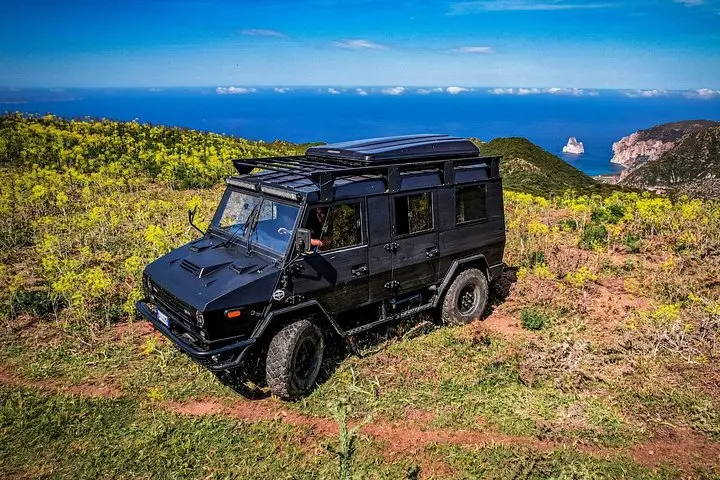
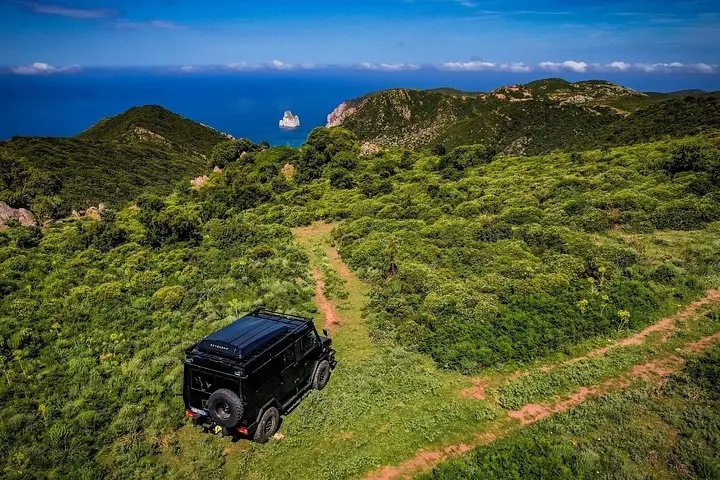
The jeep bumps out of Iglesias onto rutted tracks and the scrub opens like a page of Sardinian geology. Salt spray from the distant coast taints the air while pines of the Marganai forest lean over rocky tracks, daring you to follow deeper. By midday the silhouette of Pan di Zucchero rises from the sea—a 133‑meter sea stack that juts like a weathered column from the blue.
The jeep bumps out of Iglesias onto rutted tracks and the scrub opens like a page of Sardinian geology. Salt spray from the distant coast taints the air while pines of the Marganai forest lean over rocky tracks, daring you to follow deeper. By midday the silhouette of Pan di Zucchero rises from the sea—a 133‑meter sea stack that juts like a weathered column from the blue.
This route traces two lives of the region: a geology of limestone karst that produced sea caves and stacks, and an industrial chapter written in rusted rails and cliffside tunnels of the Iglesiente mines. Porto Flavia, cut into the cliff to load ore directly onto ships, remains an eerie, ingenious relic of early 20th‑century mining. Local shepherding and small villages give the coast a lived‑in feel; guides often share miners' stories and the cultural rhythms that shaped local cuisine and craft.
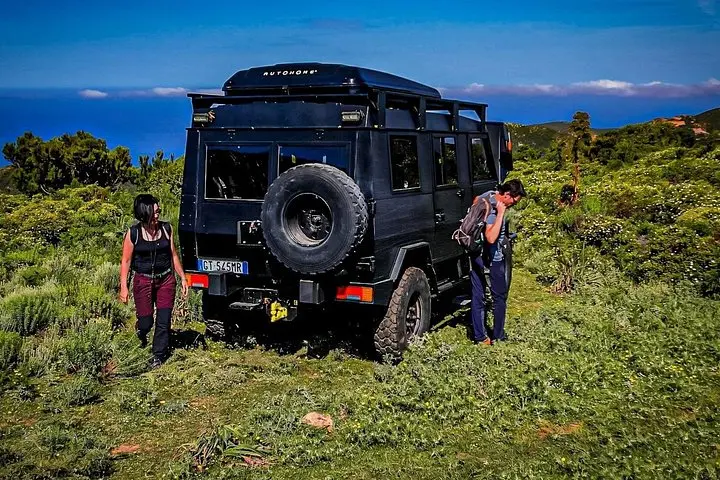
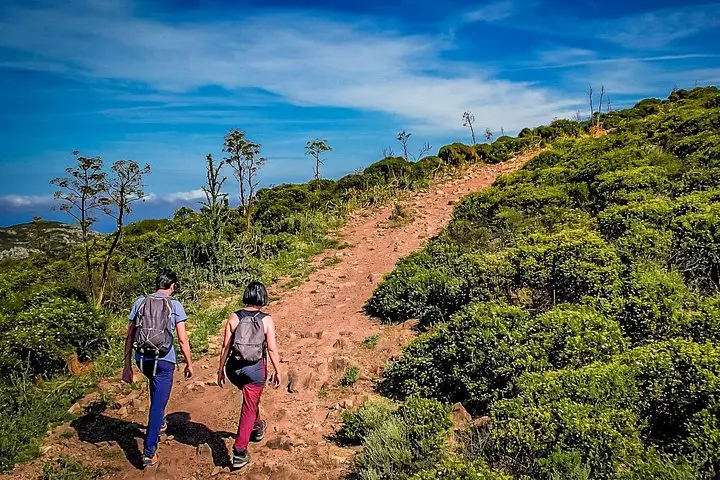
Expect an off‑road itinerary that alternates short guided treks through cork oak and holm oak forest, plateaus with wind, and viewpoints over hidden coves and cascades like Piscina Irgas. Terrain is mixed—dirt tracks, rocky footpaths, brief steep sections—and the guide adapts walking stretches for groups.
Practical notes: wear sturdy walking shoes, bring sun protection and at least 1–2 liters of water, and be prepared for variable weather. The tour is best in spring and autumn for cooler temperatures and fuller waterfalls; summer brings bright light and heat on exposed coastal sections. Respect marked paths and the fragile karst slopes—this landscape recovers slowly when damaged.
Frequently asked questions
The full tour is about 7 hours (around 420 minutes) including driving, short treks and stops at viewpoints.
Short walks are adaptable, but uneven terrain and steps at viewpoints make it less suitable for those with significant mobility limitations or very young children.
Boat access to the base of Pan di Zucchero is not included; viewpoints are from shore and cliffs reached by jeep and foot.
The operator may alter or cancel the itinerary for safety; full refunds are available if canceled 24 hours before departure under the stated policy.
About This Experience
Escursì - experience sardinia operates guided outdoor trips and adventures with an emphasis on safety, stewardship, and memorable experiences.
Adventure tips
Recommended gear
- Sturdy hiking shoes: Protects ankles on rocky tracks and short steep ascents.
- 1–2 L hydration pack or bottles: Keeps you hydrated across long, exposed sections.
- Light waterproof jacket: Coastal weather can change quickly; a shell handles wind and rain.
- Sun hat and sunglasses: Reduces sun exposure during the brightest hours on plateaus and coast
Photos of the experience
Related adventures & guides
Read the full experience
The jeep bumps out of Iglesias onto rutted tracks and the scrub opens like a page of Sardinian geology. Salt spray from the distant coast taints the air while pines of the Marganai forest lean over rocky tracks, daring you to follow deeper. By midday the silhouette of Pan di Zucchero rises from the sea—a 133‑meter sea stack that juts like a weathered column from the blue.
The jeep bumps out of Iglesias onto rutted tracks and the scrub opens like a page of Sardinian geology. Salt spray from the distant coast taints the air while pines of the Marganai forest lean over rocky tracks, daring you to follow deeper. By midday the silhouette of Pan di Zucchero rises from the sea—a 133‑meter sea stack that juts like a weathered column from the blue.
This route traces two lives of the region: a geology of limestone karst that produced sea caves and stacks, and an industrial chapter written in rusted rails and cliffside tunnels of the Iglesiente mines. Porto Flavia, cut into the cliff to load ore directly onto ships, remains an eerie, ingenious relic of early 20th‑century mining. Local shepherding and small villages give the coast a lived‑in feel; guides often share miners' stories and the cultural rhythms that shaped local cuisine and craft.
Expect an off‑road itinerary that alternates short guided treks through cork oak and holm oak forest, plateaus with wind, and viewpoints over hidden coves and cascades like Piscina Irgas. Terrain is mixed—dirt tracks, rocky footpaths, brief steep sections—and the guide adapts walking stretches for groups.
Practical notes: wear sturdy walking shoes, bring sun protection and at least 1–2 liters of water, and be prepared for variable weather. The tour is best in spring and autumn for cooler temperatures and fuller waterfalls; summer brings bright light and heat on exposed coastal sections. Respect marked paths and the fragile karst slopes—this landscape recovers slowly when damaged.
Make a day of it nearby.
Verified experiences and guided adventures in the surrounding area.