THE ADVENTURE COLLECTIVE® · Independent discovery and booking for outdoor travel

Spend a full day from Beirut exploring Jeita Grotto’s limestone caverns, touring Roman remnants at Faqra, and tasting regional wines—wrapped with a hands-on soap-making finale. Practical tips on timing, footwear, and what to expect below ground.
Spend a full day from Beirut exploring Jeita Grotto’s limestone caverns, touring Roman remnants at Faqra, and tasting regional wines—wrapped with a hands-on soap-making finale. Practical tips on timing, footwear, and what to expect below ground.
You arrive on a sunlit road that climbs out of Beirut’s bustle and into limestone country. The first pause is at Jeita’s cable car station; below, a subterranean river waits, dark and patient, the grotto’s calcite curtains dangling like slow-moving chandeliers. Walking the upper cavern, you edge past formations that grew drip by patient drip across millennia—stalactites reaching toward stalagmites as if in cautious conversation.
Verified experiences and guided adventures in the surrounding area.
Operated by Enjoy Lebanon · Jeita, Mount Lebanon
You arrive on a sunlit road that climbs out of Beirut’s bustle and into limestone country. The first pause is at Jeita’s cable car station; below, a subterranean river waits, dark and patient, the grotto’s calcite curtains dangling like slow-moving chandeliers. Walking the upper cavern, you edge past formations that grew drip by patient drip across millennia—stalactites reaching toward stalagmites as if in cautious conversation.
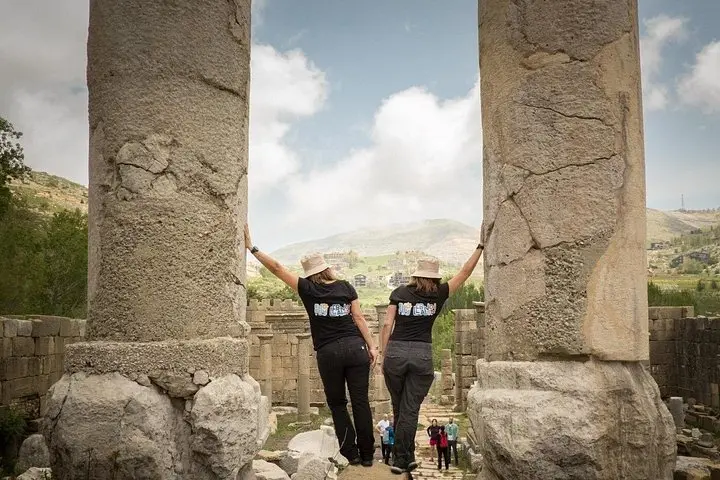
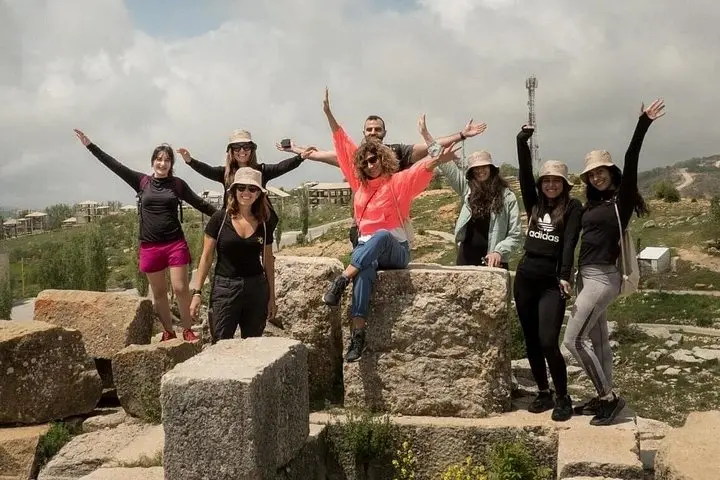
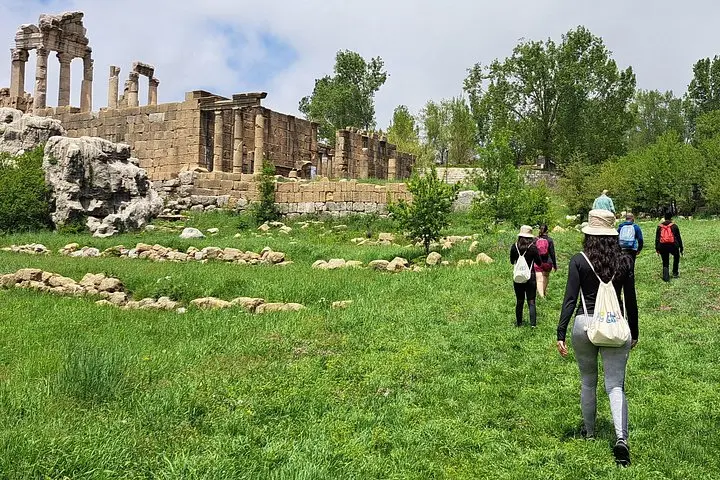
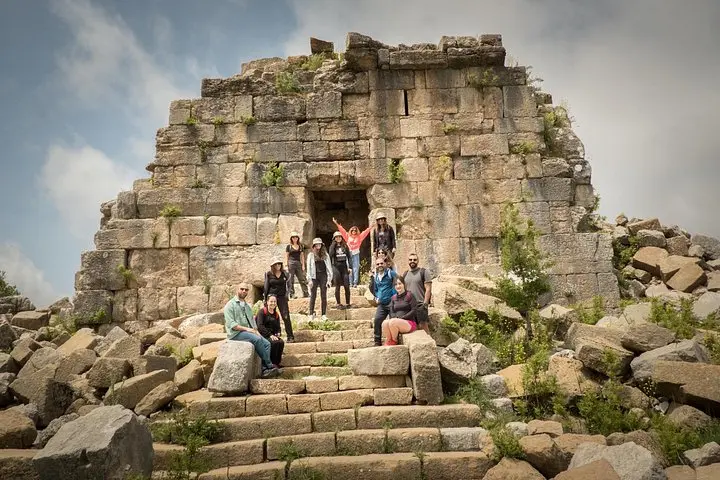
The day shifts north to Faqra, where cut stone from a Roman temple and a ruined theater sit among high meadow and karst outcrops. The geology here reads like a layered field guide: sharp limestone pavements, fossil-packed beds, and pockets where alpine grasses find a stubborn foothold. Between caves and ruins, Lebanese viticulture arrives—sun and limestone give the vines a mineral backbone; winemakers talk soil, harvest timing, and indigenous grape character as you taste.
Practical guidance: this is a full-day private tour (about eight hours) with short walks, some steps and uneven floors in the grotto—bring sturdy walking shoes, a light jacket for the cooler cave interior, and a camera with steady hands. Timing matters: morning light and off-peak hours make Jeita less crowded; book with a local operator that includes cable-car fares and winery reservations. Hydrate between stops—Lebanon’s microclimates shift quickly—and respect marked paths in both the grotto and archaeological ruins. Finish by making a small artisanal soap to carry the day’s scents home: limestone dust, pine, and pressed grape.
This is a full-day private tour (about 8 hours) typically including Jeita cable car and grotto entry, entrance to Faqra ruins, winery tasting with brunch, and a soap-making session.
Upper grotto routes are generally accessible with steps and some narrow paths; those with significant mobility issues should check specifics with the operator before booking.
Plan transportation in advance—most guests choose a private driver. If you drive, decline tastings or arrange alternate transport.
Yes—both sites often require reservations for guided access and tastings; the private tour operator usually handles bookings and fees.
Enjoy Lebanon operates guided outdoor trips and adventures with an emphasis on safety, stewardship, and memorable experiences.
You arrive on a sunlit road that climbs out of Beirut’s bustle and into limestone country. The first pause is at Jeita’s cable car station; below, a subterranean river waits, dark and patient, the grotto’s calcite curtains dangling like slow-moving chandeliers. Walking the upper cavern, you edge past formations that grew drip by patient drip across millennia—stalactites reaching toward stalagmites as if in cautious conversation.
You arrive on a sunlit road that climbs out of Beirut’s bustle and into limestone country. The first pause is at Jeita’s cable car station; below, a subterranean river waits, dark and patient, the grotto’s calcite curtains dangling like slow-moving chandeliers. Walking the upper cavern, you edge past formations that grew drip by patient drip across millennia—stalactites reaching toward stalagmites as if in cautious conversation.
The day shifts north to Faqra, where cut stone from a Roman temple and a ruined theater sit among high meadow and karst outcrops. The geology here reads like a layered field guide: sharp limestone pavements, fossil-packed beds, and pockets where alpine grasses find a stubborn foothold. Between caves and ruins, Lebanese viticulture arrives—sun and limestone give the vines a mineral backbone; winemakers talk soil, harvest timing, and indigenous grape character as you taste.
Practical guidance: this is a full-day private tour (about eight hours) with short walks, some steps and uneven floors in the grotto—bring sturdy walking shoes, a light jacket for the cooler cave interior, and a camera with steady hands. Timing matters: morning light and off-peak hours make Jeita less crowded; book with a local operator that includes cable-car fares and winery reservations. Hydrate between stops—Lebanon’s microclimates shift quickly—and respect marked paths in both the grotto and archaeological ruins. Finish by making a small artisanal soap to carry the day’s scents home: limestone dust, pine, and pressed grape.