THE ADVENTURE COLLECTIVE® · Independent discovery and booking for outdoor travel

Spend a day moving from limestone caves to Roman giants and century-old wine cellars on this private full-day tour from Beirut. Expect scenic drives, uneven walking surfaces, and a hands-on glimpse into Lebanon’s geological and cultural layers.
Spend a day moving from limestone caves to Roman giants and century-old wine cellars on this private full-day tour from Beirut. Expect scenic drives, uneven walking surfaces, and a hands-on glimpse into Lebanon’s geological and cultural layers.
You step out of Beirut's morning hush into an air-conditioned vehicle that threads north through citrus groves and limestone slopes, the city giving way to terraced fields and the rising silhouette of the Mount Lebanon range.
Verified experiences and guided adventures in the surrounding area.
Operated by Lebanon Tours Online · Beirut, Beirut Governorate
You step out of Beirut's morning hush into an air-conditioned vehicle that threads north through citrus groves and limestone slopes, the city giving way to terraced fields and the rising silhouette of the Mount Lebanon range.
First stop, Jeita Grotto: two linked karst caverns carved over millions of years. The upper gallery presents vast chambers hung with stalactites and draperies while the lower gallery hides a quiet underground river. The cave sits roughly 300 metres above sea level and drops into chambers that reveal the slow work of water and time.
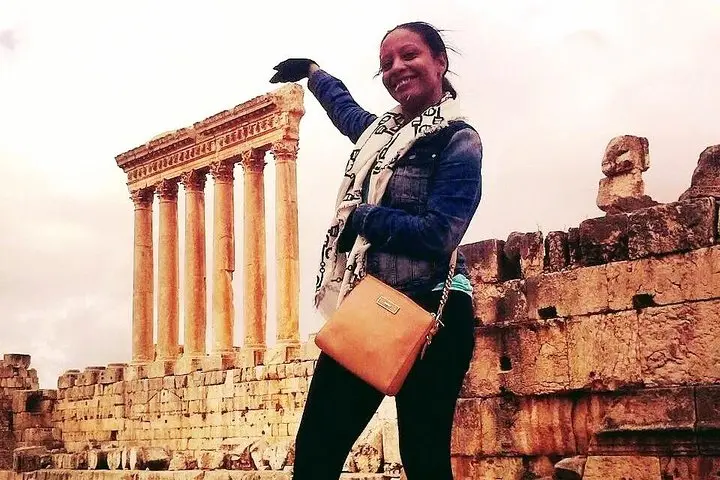
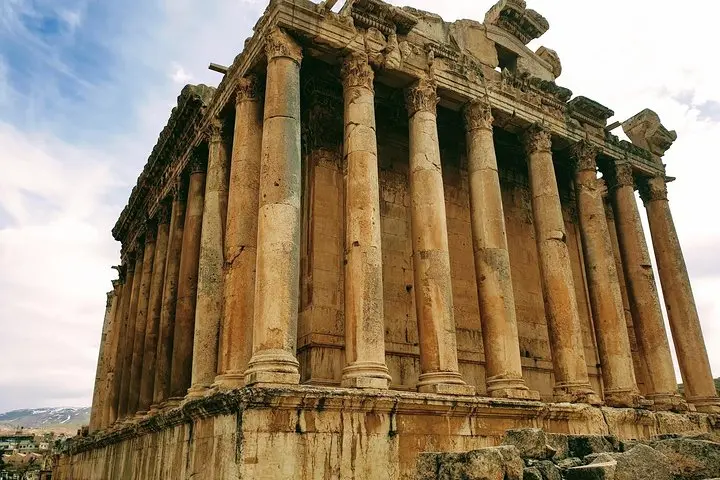
From there the road pushes into the Beqaa Valley and upward to Baalbek, where Roman ambition meets Phoenician sanctity. At about 1,150 metres elevation, the Temple of Bacchus and the colossal stones of the Temple of Jupiter convey scale—both an engineering and cultural anchorpoint for the region.
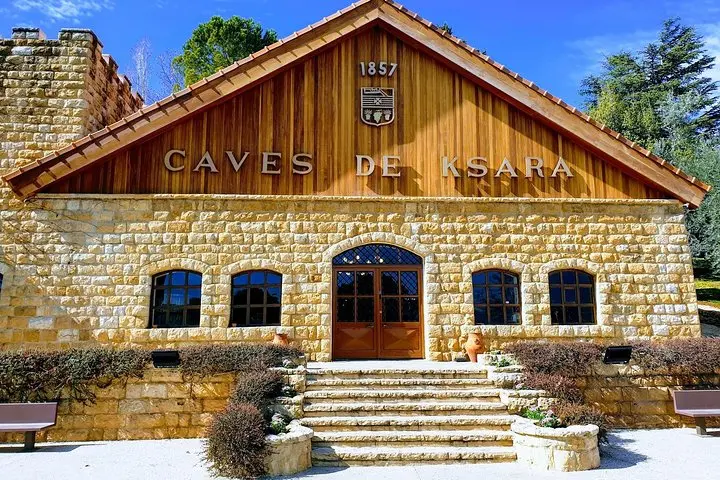
A final taste is Château Ksara in the Bekaa plain: cellars hewn into limestone where Jesuit vintners began modern Lebanese winemaking in 1857. Tasting here is practical history—wine production, oak aging, and terroir shaped by altitude and seasonal extremes.
Practical guidance: this private, full-day itinerary runs roughly nine hours (hotel pickup and return included). Expect walking on uneven surfaces and lots of steps at sites; bring closed-toe shoes, a light layer for cave coolness, sun protection for the valley, and cash for small purchases. Start early to avoid traffic and crowds; the route covers long driving segments between highlights, rewarding patience with dramatic geology, Roman scale, and a cellar visit that closes the loop on Lebanon’s layered past.
Most bookings do not include entrance fees; confirm with the operator and have local currency available for tickets.
Expect roughly 2–3 hours of driving total depending on traffic—Beirut to Jeita, then to Baalbek and back via the Bekaa Valley.
The tour is family-friendly, but Jeita and Baalbek have stairs and uneven surfaces that may be difficult for very young children or those with limited mobility.
Tastings are typically included as part of the visit, but the specifics depend on the operator—confirm ahead if you want private cellar access or premium pours.
Lebanon Tours Online operates guided outdoor trips and adventures with an emphasis on safety, stewardship, and memorable experiences.
You step out of Beirut's morning hush into an air-conditioned vehicle that threads north through citrus groves and limestone slopes, the city giving way to terraced fields and the rising silhouette of the Mount Lebanon range.
You step out of Beirut's morning hush into an air-conditioned vehicle that threads north through citrus groves and limestone slopes, the city giving way to terraced fields and the rising silhouette of the Mount Lebanon range.
First stop, Jeita Grotto: two linked karst caverns carved over millions of years. The upper gallery presents vast chambers hung with stalactites and draperies while the lower gallery hides a quiet underground river. The cave sits roughly 300 metres above sea level and drops into chambers that reveal the slow work of water and time.
From there the road pushes into the Beqaa Valley and upward to Baalbek, where Roman ambition meets Phoenician sanctity. At about 1,150 metres elevation, the Temple of Bacchus and the colossal stones of the Temple of Jupiter convey scale—both an engineering and cultural anchorpoint for the region.
A final taste is Château Ksara in the Bekaa plain: cellars hewn into limestone where Jesuit vintners began modern Lebanese winemaking in 1857. Tasting here is practical history—wine production, oak aging, and terroir shaped by altitude and seasonal extremes.
Practical guidance: this private, full-day itinerary runs roughly nine hours (hotel pickup and return included). Expect walking on uneven surfaces and lots of steps at sites; bring closed-toe shoes, a light layer for cave coolness, sun protection for the valley, and cash for small purchases. Start early to avoid traffic and crowds; the route covers long driving segments between highlights, rewarding patience with dramatic geology, Roman scale, and a cellar visit that closes the loop on Lebanon’s layered past.