THE ADVENTURE COLLECTIVE® · Independent discovery and booking for outdoor travel

Cross the border and trade city hustle for salt-flushed lakes, Roman colonnades, Nabatean tombs and a desert that makes the sky feel closer. This private 5-day route from Jerusalem to Jordan condenses the country's highlights into a paced, guided experience.
Cross the border and trade city hustle for salt-flushed lakes, Roman colonnades, Nabatean tombs and a desert that makes the sky feel closer. This private 5-day route from Jerusalem to Jordan condenses the country's highlights into a paced, guided experience.
You leave Jerusalem at dawn with a driver who knows the timing of borders like a second language: a short, formal stop at Allenby/King Hussein Bridge and then the road opens into a different geography — a ribbon of highway that moves through the Jordan Valley toward the copper-red profiles of Wadi Rum and the rose stone of Petra.
Verified experiences and guided adventures in the surrounding area.
Operated by Elegant Limo Jordan · Petra, Ma'an Governorate
You leave Jerusalem at dawn with a driver who knows the timing of borders like a second language: a short, formal stop at Allenby/King Hussein Bridge and then the road opens into a different geography — a ribbon of highway that moves through the Jordan Valley toward the copper-red profiles of Wadi Rum and the rose stone of Petra.
Day one tastes like contrast. The Dead Sea pulls you low; its salty skin lifts you with the ridiculous comfort of buoyancy while mineral mud paints a temporary mask on your skin. Later, Mount Nebo unfurls below you, a viewpoint that has been a marker for pilgrims for millennia. Madaba’s Saint George Church tells the area’s layered story in tiny tesserae — a Byzantine map that anchors the Holy Land in cracked stone.
The tour is as much about movement as it is about monuments. Amman’s Citadel and Roman Theater show the city’s Greco-Roman and Umayyad chapters; Jerash offers colonnaded streets where the Roman Empire’s scale still makes your shoulders narrow in recognition. Southward, Karak’s Crusader walls sit on an ancient trade spine, the King’s Highway, that has carried armies and caravans for centuries.
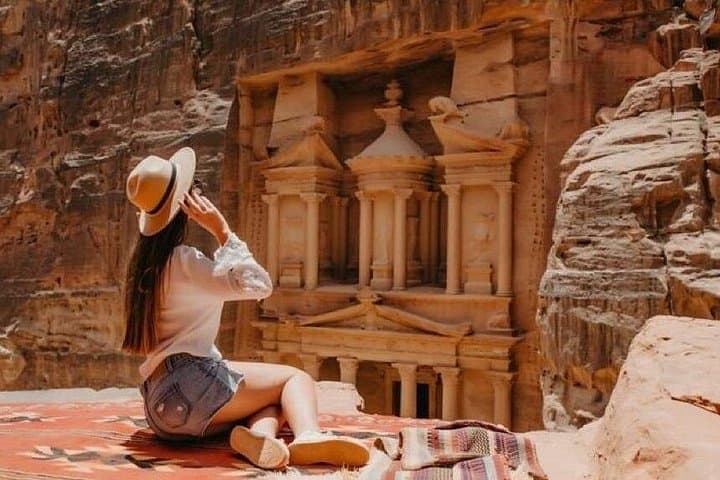
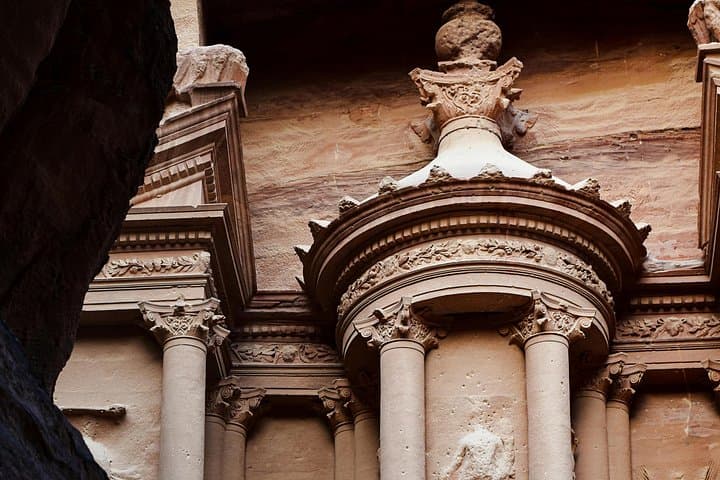
Petra is the deliberate crescendo. Enter the Siq — a compressed canyon that funnels light and sound — and then the Treasury appears like a carved promise, its facades worn into warm relief by wind and time. If you hike the steps to the Monastery, the climb pays out in distance and panorama: Petra’s amphitheater of ledges and canyons stretches outward, the sandstone’s bands telling a geological biography of uplift and erosion.
Wadi Rum obliges a different pace. The desert sculpts itself into cliffs and mushroom rocks, dunes that dare you to race them, and starlit skies that rearrange your sense of scale. Bedouin camps offer simplicity and hospitality; evenings are for slow conversation and black coffee under a sky that seems determined to outshine the day.
Practical edge: this private 5-day itinerary covers long drives and moderate walking on uneven surfaces. Secure the Jordan Pass before arrival to streamline entry and site admissions, carry a refillable water bottle, and pack a sturdy pair of shoes for Petra’s cobbles and Wadi Rum’s rough sand. Temperatures swing — blistering afternoons in summer, chilly desert nights in winter — so layers are essential.
This is a compact way to see Jordan’s essentials in five days: sacred hills, Roman ruins, Nabatean engineering, and desert emptiness. Each stop is a persuasive argument for why people have kept coming here for thousands of years — the landscape keeps changing its story, and you keep moving through it.
Many nationalities require a visa; the Jordan Pass covers visa and site entry for eligible visitors—purchase it before you travel to save time and money.
Crossing times can vary from 30 minutes to several hours depending on queues; plan for delays and carry snacks, water and all travel documents.
Petra’s main sites are accessible with moderate walking, but climbs to the Monastery or High Place involve steep steps and uneven terrain; allow time and wear good shoes.
Camps range from basic to luxury; most provide mattresses, blankets and private or shared facilities—check your selected accommodation level when booking.
Jordan uses the Jordanian dinar (JOD). ATMs are common in Amman and Petra; carry some cash for smaller purchases and tips in rural areas.
Yes—this private tour offers flexible pacing, infant seats are available, and activities can be adjusted, but factor in border formalities and long drives for young travelers.
Elegant Limo Jordan operates guided outdoor trips and adventures with an emphasis on safety, stewardship, and memorable experiences.


You leave Jerusalem at dawn with a driver who knows the timing of borders like a second language: a short, formal stop at Allenby/King Hussein Bridge and then the road opens into a different geography — a ribbon of highway that moves through the Jordan Valley toward the copper-red profiles of Wadi Rum and the rose stone of Petra.
You leave Jerusalem at dawn with a driver who knows the timing of borders like a second language: a short, formal stop at Allenby/King Hussein Bridge and then the road opens into a different geography — a ribbon of highway that moves through the Jordan Valley toward the copper-red profiles of Wadi Rum and the rose stone of Petra.
Day one tastes like contrast. The Dead Sea pulls you low; its salty skin lifts you with the ridiculous comfort of buoyancy while mineral mud paints a temporary mask on your skin. Later, Mount Nebo unfurls below you, a viewpoint that has been a marker for pilgrims for millennia. Madaba’s Saint George Church tells the area’s layered story in tiny tesserae — a Byzantine map that anchors the Holy Land in cracked stone.
The tour is as much about movement as it is about monuments. Amman’s Citadel and Roman Theater show the city’s Greco-Roman and Umayyad chapters; Jerash offers colonnaded streets where the Roman Empire’s scale still makes your shoulders narrow in recognition. Southward, Karak’s Crusader walls sit on an ancient trade spine, the King’s Highway, that has carried armies and caravans for centuries.
Petra is the deliberate crescendo. Enter the Siq — a compressed canyon that funnels light and sound — and then the Treasury appears like a carved promise, its facades worn into warm relief by wind and time. If you hike the steps to the Monastery, the climb pays out in distance and panorama: Petra’s amphitheater of ledges and canyons stretches outward, the sandstone’s bands telling a geological biography of uplift and erosion.
Wadi Rum obliges a different pace. The desert sculpts itself into cliffs and mushroom rocks, dunes that dare you to race them, and starlit skies that rearrange your sense of scale. Bedouin camps offer simplicity and hospitality; evenings are for slow conversation and black coffee under a sky that seems determined to outshine the day.
Practical edge: this private 5-day itinerary covers long drives and moderate walking on uneven surfaces. Secure the Jordan Pass before arrival to streamline entry and site admissions, carry a refillable water bottle, and pack a sturdy pair of shoes for Petra’s cobbles and Wadi Rum’s rough sand. Temperatures swing — blistering afternoons in summer, chilly desert nights in winter — so layers are essential.
This is a compact way to see Jordan’s essentials in five days: sacred hills, Roman ruins, Nabatean engineering, and desert emptiness. Each stop is a persuasive argument for why people have kept coming here for thousands of years — the landscape keeps changing its story, and you keep moving through it.