THE ADVENTURE COLLECTIVE® · Independent discovery and booking for outdoor travel

Cut through rushing water and history on a 20–25 minute jet boat run to Douglas Dam on the French Broad River. This quick, narrated tour pairs close-up engineering views with Smoky Mountains riverscape photo ops.
Cut through rushing water and history on a 20–25 minute jet boat run to Douglas Dam on the French Broad River. This quick, narrated tour pairs close-up engineering views with Smoky Mountains riverscape photo ops.
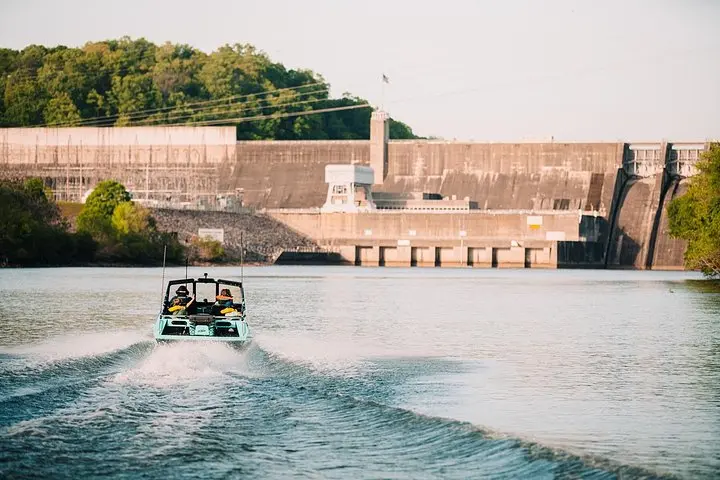
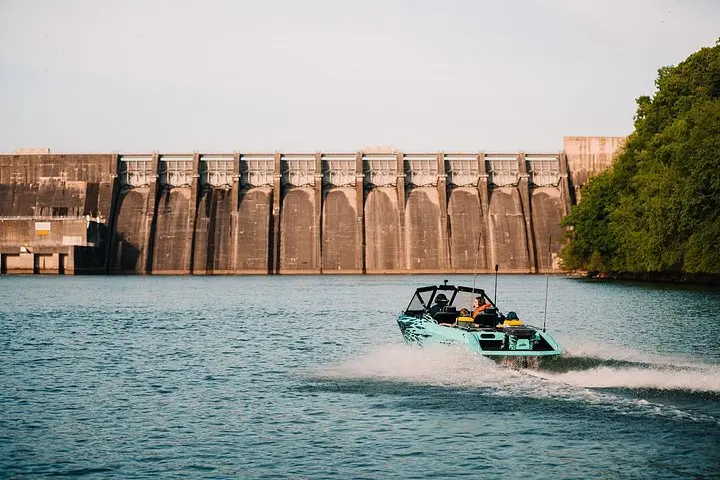
The spray hits the hull and the river answers — white-water urgency giving way to wide, reflective pools as the jet boat threads the French Broad toward Douglas Dam. Riders hear the low thrum of the engine and the conversation of water on concrete; beyond the dam the river widens into Douglas Lake, its surface catching the serrated ridgelines of the Smokies.
Verified experiences and guided adventures in the surrounding area.
Operated by Smoky Mountain Jet Boat · Sevierville, Tennessee
The spray hits the hull and the river answers — white-water urgency giving way to wide, reflective pools as the jet boat threads the French Broad toward Douglas Dam. Riders hear the low thrum of the engine and the conversation of water on concrete; beyond the dam the river widens into Douglas Lake, its surface catching the serrated ridgelines of the Smokies.
Douglas Dam was built by the Tennessee Valley Authority in the early 1940s, an emergency hydroelectric project that reshaped the river and local communities during World War II. Geologically, the French Broad carves through older metamorphic bedrock, creating steep banks and pockets of shallow riffles that make this stretch exciting from the water. Locally, the river has been a working landscape — power, transport and recreation — and small towns on its banks carry that blended heritage of industry and outdoor life.
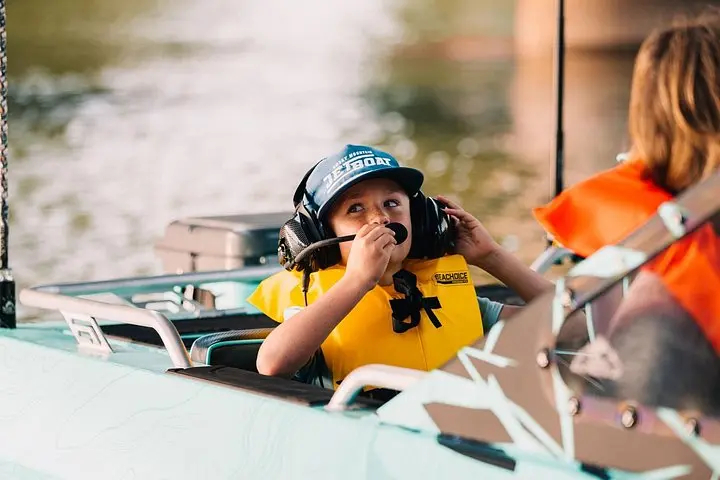
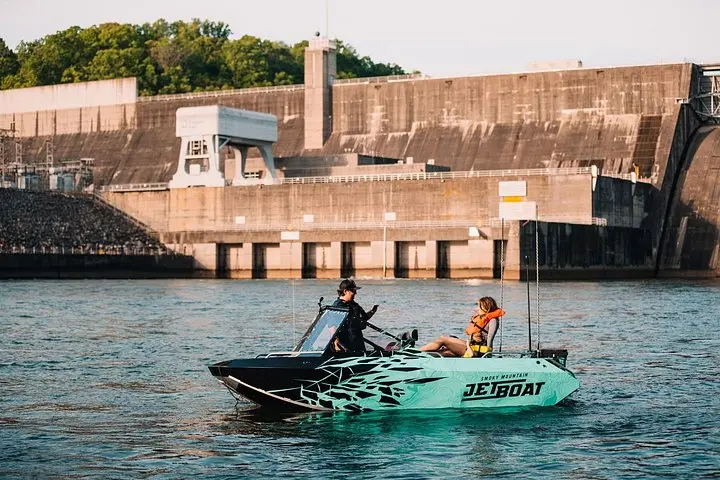
On a 20–25 minute tour you’ll get close-up views of the dam’s concrete face, hear narratives about TVA history through provided headsets, and photograph angles only reachable by boat. Conditions vary: spring runoff can push currents; summer brings glare and crowds; fall packs the shoreline with color. Expect short periods standing and quick boarding; life jackets and headsets are provided.
Plan for sun protection, a wind layer, and steady footwear for wet gangways. Bring a waterproof case for your camera; keep conversations low near wildlife and follow crew guidance precisely. The trip is a compact, high-impact way to connect history, engineering and river scenery in the foothills of the Smokies.
Yes; tours provide life jackets and are rated easy, but check age or seating restrictions with the operator and supervise children during boarding.
The narrated jet boat experience runs approximately 20–25 minutes from boarding to return.
Yes; trips may be cancelled for high winds, heavy rain, or unsafe water conditions—refunds follow the operator’s 24-hour cancellation policy.
Facilities are limited at the boarding point; plan ahead for food and restroom use before arrival or in nearby Sevierville.
Smoky Mountain Jet Boat operates guided outdoor trips and adventures with an emphasis on safety, stewardship, and memorable experiences.
The spray hits the hull and the river answers — white-water urgency giving way to wide, reflective pools as the jet boat threads the French Broad toward Douglas Dam. Riders hear the low thrum of the engine and the conversation of water on concrete; beyond the dam the river widens into Douglas Lake, its surface catching the serrated ridgelines of the Smokies.
The spray hits the hull and the river answers — white-water urgency giving way to wide, reflective pools as the jet boat threads the French Broad toward Douglas Dam. Riders hear the low thrum of the engine and the conversation of water on concrete; beyond the dam the river widens into Douglas Lake, its surface catching the serrated ridgelines of the Smokies.
Douglas Dam was built by the Tennessee Valley Authority in the early 1940s, an emergency hydroelectric project that reshaped the river and local communities during World War II. Geologically, the French Broad carves through older metamorphic bedrock, creating steep banks and pockets of shallow riffles that make this stretch exciting from the water. Locally, the river has been a working landscape — power, transport and recreation — and small towns on its banks carry that blended heritage of industry and outdoor life.
On a 20–25 minute tour you’ll get close-up views of the dam’s concrete face, hear narratives about TVA history through provided headsets, and photograph angles only reachable by boat. Conditions vary: spring runoff can push currents; summer brings glare and crowds; fall packs the shoreline with color. Expect short periods standing and quick boarding; life jackets and headsets are provided.
Plan for sun protection, a wind layer, and steady footwear for wet gangways. Bring a waterproof case for your camera; keep conversations low near wildlife and follow crew guidance precisely. The trip is a compact, high-impact way to connect history, engineering and river scenery in the foothills of the Smokies.