THE ADVENTURE COLLECTIVE® · Independent discovery and booking for outdoor travel

Explore Bucharest’s Jewish quarter at your own pace with an interactive GPS app that blends history, puzzles, and on-street discovery. This 1–2 hour self-guided walk connects synagogues, museums, and hidden historical markers across Lipscani and the old Jewish neighborhood.
Explore Bucharest’s Jewish quarter at your own pace with an interactive GPS app that blends history, puzzles, and on-street discovery. This 1–2 hour self-guided walk connects synagogues, museums, and hidden historical markers across Lipscani and the old Jewish neighborhood.
You step off a busy Bucharest sidewalk and the city’s layered past tightens around you: narrow streets that once held Jewish merchants, synagogues whose façades watch over modern cafés, and a memorial that asks you to pause. The app pings, a riddle lights your screen, and the walk becomes a game with real history at every stop.
Verified experiences and guided adventures in the surrounding area.
Operated by Leplace - interactive self-guided app tours · Bucharest, Bucharest
You step off a busy Bucharest sidewalk and the city’s layered past tightens around you: narrow streets that once held Jewish merchants, synagogues whose façades watch over modern cafés, and a memorial that asks you to pause. The app pings, a riddle lights your screen, and the walk becomes a game with real history at every stop.
The route threads through Lipscani and the Jewish neighborhood reshaped under 20th-century urban plans. Expect 19th- and early-20th-century architecture—Belle Époque banks, neo-Moorish synagogues like the Coral Temple—and institutions such as the Museum of the History of the Romanian Jews and the Romanian Jewish Theater. Geology is urban: tram-lined avenues, cobblestones, and the shallow banks of the Dâmbovița that cut a cool line through the city.
Cultural notes are immediate: this community rose as merchants and bankers, produced pioneering Yiddish theatre, and endured wartime persecutions that the Holocaust Memorial solemnly records. Local insights include pocket museums, hidden courtyards, and squares where oral histories still surface.
Practical guidance: the experience runs 1–2 hours at a walking pace and works on most smartphones—download the app and keep your phone charged. Wear comfortable shoes for uneven cobbles, carry a small umbrella in changeable weather, and allow time to enter museums or pause for coffee. Mind local opening hours: some synagogues and museums have limited access. Respect memorial sites and follow any photography rules. This is self-guided history you can move through at your own pace—curiosity and a charged battery are your best companions.
The experience is self-guided via a GPS-enabled mobile app—no live guide required, and you can start at any time during available hours.
Language availability depends on the app content; check the booking page or confirmation email for supported languages before you go.
The route uses public streets and cobbles and is not recommended for those with impaired mobility; some stops may have limited wheelchair access.
For a full refund cancel at least 24 hours before the booked start time; same-day cancellations are not refundable.
Leplace - interactive self-guided app tours operates guided outdoor trips and adventures with an emphasis on safety, stewardship, and memorable experiences.
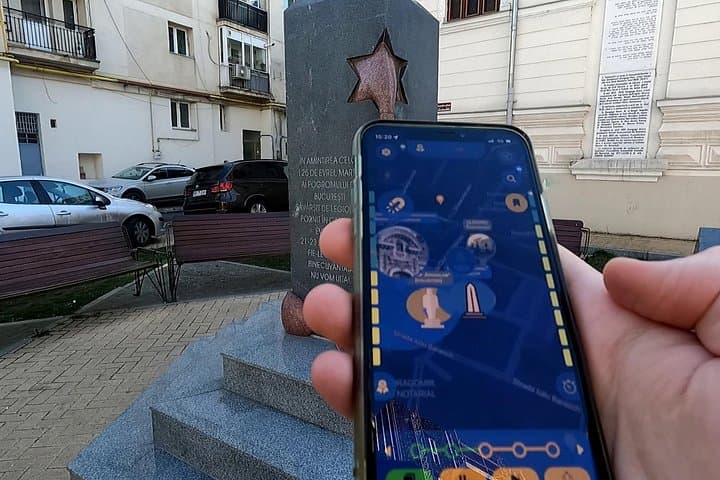
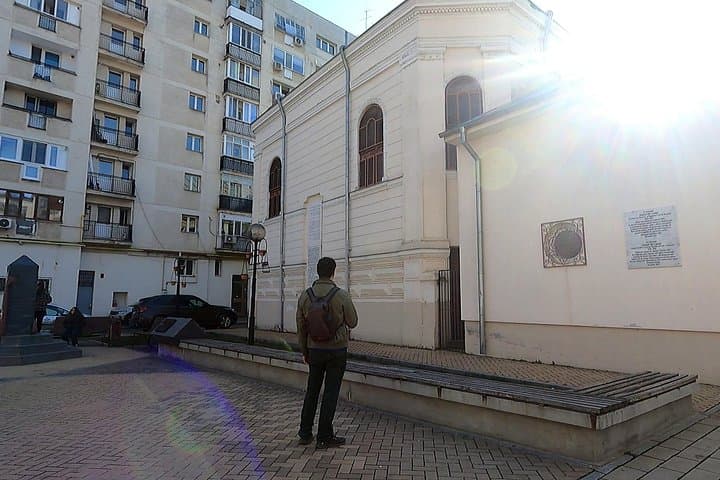
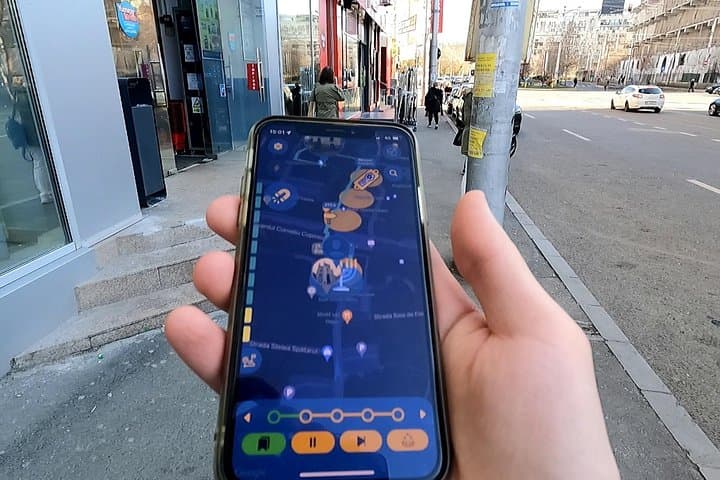
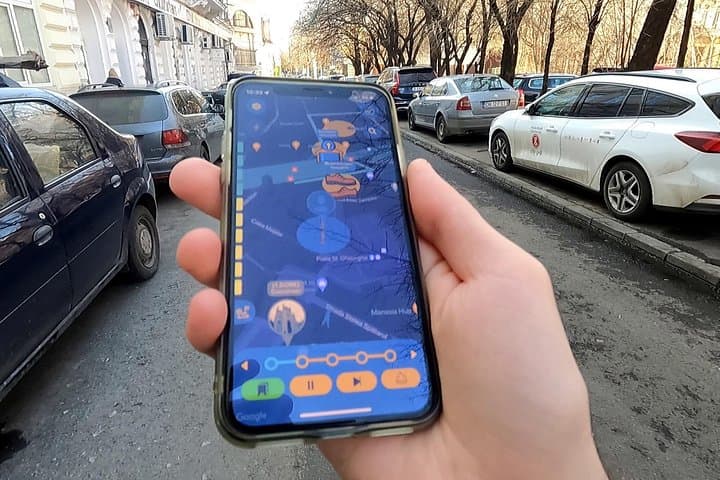
You step off a busy Bucharest sidewalk and the city’s layered past tightens around you: narrow streets that once held Jewish merchants, synagogues whose façades watch over modern cafés, and a memorial that asks you to pause. The app pings, a riddle lights your screen, and the walk becomes a game with real history at every stop.
You step off a busy Bucharest sidewalk and the city’s layered past tightens around you: narrow streets that once held Jewish merchants, synagogues whose façades watch over modern cafés, and a memorial that asks you to pause. The app pings, a riddle lights your screen, and the walk becomes a game with real history at every stop.
The route threads through Lipscani and the Jewish neighborhood reshaped under 20th-century urban plans. Expect 19th- and early-20th-century architecture—Belle Époque banks, neo-Moorish synagogues like the Coral Temple—and institutions such as the Museum of the History of the Romanian Jews and the Romanian Jewish Theater. Geology is urban: tram-lined avenues, cobblestones, and the shallow banks of the Dâmbovița that cut a cool line through the city.
Cultural notes are immediate: this community rose as merchants and bankers, produced pioneering Yiddish theatre, and endured wartime persecutions that the Holocaust Memorial solemnly records. Local insights include pocket museums, hidden courtyards, and squares where oral histories still surface.
Practical guidance: the experience runs 1–2 hours at a walking pace and works on most smartphones—download the app and keep your phone charged. Wear comfortable shoes for uneven cobbles, carry a small umbrella in changeable weather, and allow time to enter museums or pause for coffee. Mind local opening hours: some synagogues and museums have limited access. Respect memorial sites and follow any photography rules. This is self-guided history you can move through at your own pace—curiosity and a charged battery are your best companions.