THE ADVENTURE COLLECTIVE® · Independent discovery and booking for outdoor travel

Walk Charleston’s historic core with a private guide who weaves Jewish history into the city’s broader past—from Sephardic merchants and Revolutionary heroes to the first Jewish-owned pharmacy. This two-hour tour blends architecture, social history, and local insight for an intimate urban exploration.
Walk Charleston’s historic core with a private guide who weaves Jewish history into the city’s broader past—from Sephardic merchants and Revolutionary heroes to the first Jewish-owned pharmacy. This two-hour tour blends architecture, social history, and local insight for an intimate urban exploration.
You start beneath the shade of live oaks, the city’s brick and stucco facades pressing close as your guide opens a story that moves from merchant ships to synagogue pews.
Verified experiences and guided adventures in the surrounding area.
Operated by Charleston Jewish Tours · Charleston, South Carolina
You start beneath the shade of live oaks, the city’s brick and stucco facades pressing close as your guide opens a story that moves from merchant ships to synagogue pews.
This private, two-hour walking tour threads Jewish history into Charleston’s colonial streets—homes owned by 18th- and 19th-century Sephardic merchants, the first Jewish-owned pharmacy, and the Hebrew Orphan Society. As you pass the Moorish Revival Farmers & Exchange Bank and the Dock Street Theater, the guide frames those buildings against the city’s port economy, the role of Jewish families in trade, and the painful intersections with the slave economy and the Confederacy.
Geology and urban form are part of the narrative: low-lying Charleston was shaped by tidal creeks and reclaimed marshes, which concentrated wealth along the downtown ridge where merchants built fortified houses and warehouses.
Culturally the tour explores continuity—how Jewish identity adapted in the American South—and includes stories like Francis Salvador, the first Jewish casualty of the Revolution. The route moves at an urban walking pace, pausing at plaques, tenement facades, and quiet courtyards where an ordinary doorway can open a century of biography.
Practical guidance: wear supportive walking shoes and sun protection; much of the route is shaded but exposed at times. Expect uneven historic sidewalks and occasional steps; mobility information is available on request. Bring water, charge your phone for photos and historical markers, and plan for a mid-morning or late-afternoon slot to avoid peak sun and heat in summer. This is a guided, interpretive walk—less exercise, more concentrated local history and cultural context.
The private tour is approximately two hours and moves at a steady urban walking pace with several short stops for stories and sites.
The operator indicates wheelchair access is available—notify them when booking so the route can be adjusted for accessible surfaces.
This itinerary focuses on exterior sites and street-level history; interior access is generally not included unless prearranged.
Yes—children can join, but the tour is interpretive and discussion-driven; consider age and attention span for a two-hour historical walk.
Charleston Jewish Tours operates guided outdoor trips and adventures with an emphasis on safety, stewardship, and memorable experiences.
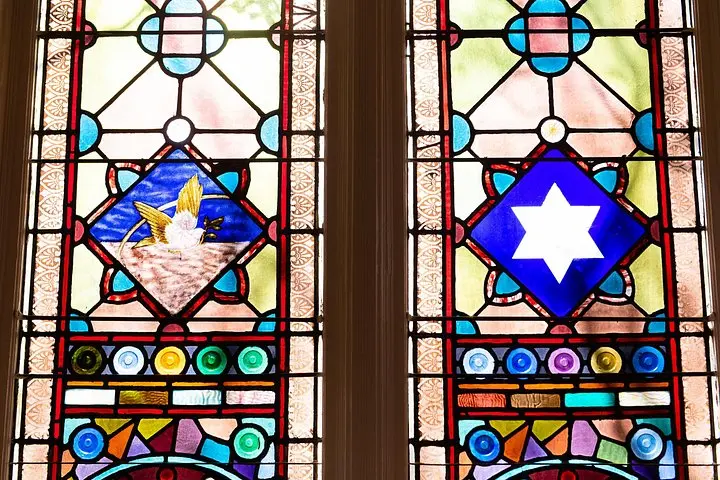
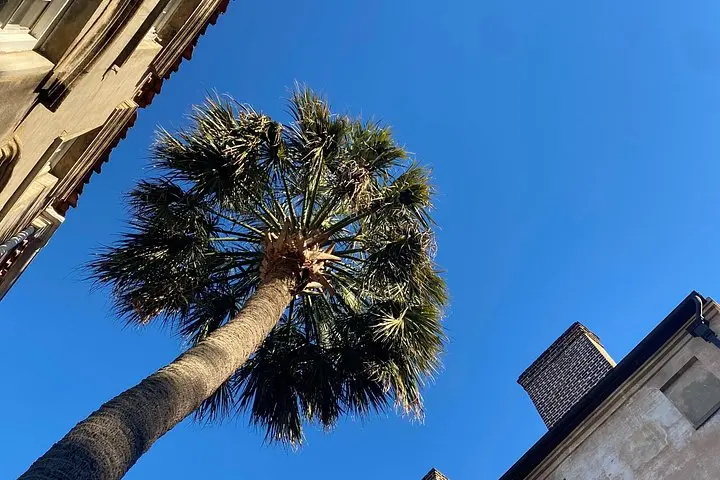
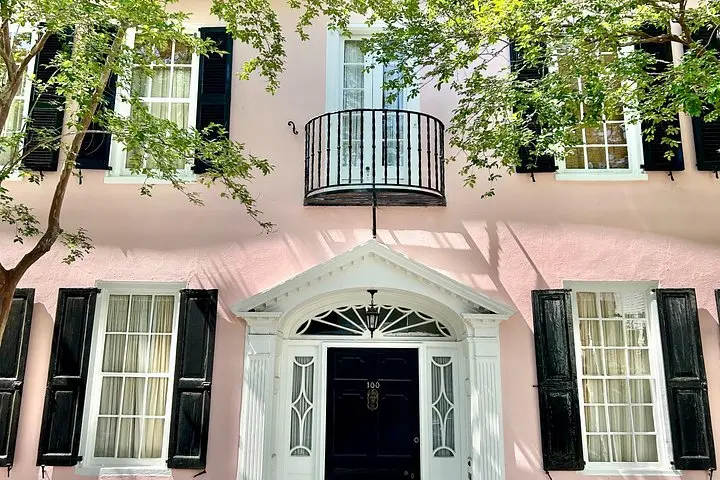
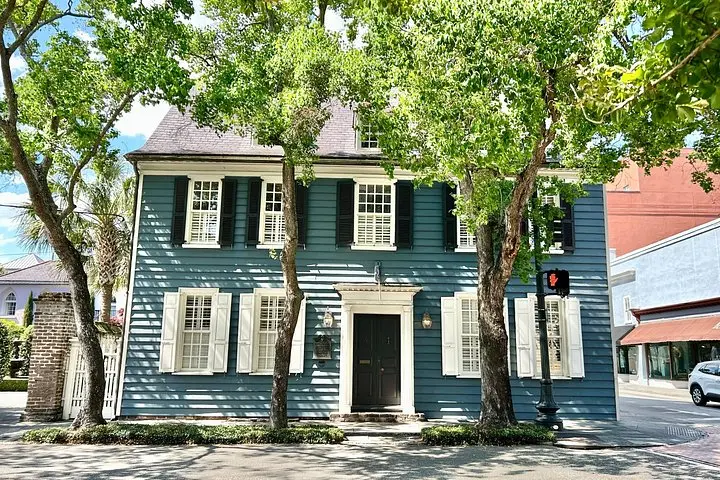
You start beneath the shade of live oaks, the city’s brick and stucco facades pressing close as your guide opens a story that moves from merchant ships to synagogue pews.
You start beneath the shade of live oaks, the city’s brick and stucco facades pressing close as your guide opens a story that moves from merchant ships to synagogue pews.
This private, two-hour walking tour threads Jewish history into Charleston’s colonial streets—homes owned by 18th- and 19th-century Sephardic merchants, the first Jewish-owned pharmacy, and the Hebrew Orphan Society. As you pass the Moorish Revival Farmers & Exchange Bank and the Dock Street Theater, the guide frames those buildings against the city’s port economy, the role of Jewish families in trade, and the painful intersections with the slave economy and the Confederacy.
Geology and urban form are part of the narrative: low-lying Charleston was shaped by tidal creeks and reclaimed marshes, which concentrated wealth along the downtown ridge where merchants built fortified houses and warehouses.
Culturally the tour explores continuity—how Jewish identity adapted in the American South—and includes stories like Francis Salvador, the first Jewish casualty of the Revolution. The route moves at an urban walking pace, pausing at plaques, tenement facades, and quiet courtyards where an ordinary doorway can open a century of biography.
Practical guidance: wear supportive walking shoes and sun protection; much of the route is shaded but exposed at times. Expect uneven historic sidewalks and occasional steps; mobility information is available on request. Bring water, charge your phone for photos and historical markers, and plan for a mid-morning or late-afternoon slot to avoid peak sun and heat in summer. This is a guided, interpretive walk—less exercise, more concentrated local history and cultural context.