THE ADVENTURE COLLECTIVE® · Independent discovery and booking for outdoor travel

Drive into Jhalana at dawn or dusk in an open-air gypsy to watch leopards, hyenas and an array of birds within 20 square kilometers of Aravalli foothills. Practical tips on timing, permits and what to bring.
Drive into Jhalana at dawn or dusk in an open-air gypsy to watch leopards, hyenas and an array of birds within 20 square kilometers of Aravalli foothills. Practical tips on timing, permits and what to bring.
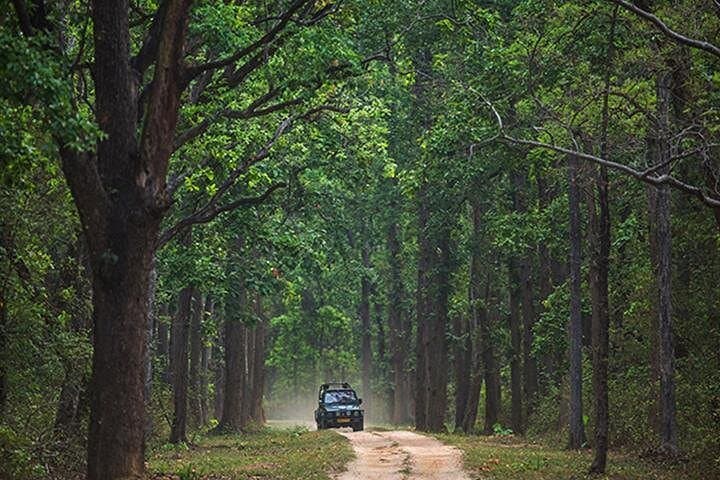
The jeep bumps off the paved road and into scrub; early light paints the acacia trunks gold and a distant branch snaps as something weighs the silence. In Jhalana Leopard Conservation Reserve, just north of Jaipur, the landscape feels deliberate — dry low hills, thorny scrub and open grass patches where leopards and jackals test the edges of human presence.
Verified experiences and guided adventures in the surrounding area.
Operated by BanBanjara · Jaipur, Rajasthan
The jeep bumps off the paved road and into scrub; early light paints the acacia trunks gold and a distant branch snaps as something weighs the silence. In Jhalana Leopard Conservation Reserve, just north of Jaipur, the landscape feels deliberate — dry low hills, thorny scrub and open grass patches where leopards and jackals test the edges of human presence.
Once a royal hunting ground for Rajasthan’s maharajas, Jhalana was converted into a conservation reserve in recent decades and now protects roughly 20 square kilometers of semi-arid terrain. The underlying geology is ancient Aravalli foothill rock — low ridges of weathered granite and schist that channel seasonal streams and create the small pockets of denser vegetation where wildlife concentrates. Local culture blends with the reserve: village shepherds, temple groves and the three-storeyed Shikaar Audhi hunting lodge sit at the reserve’s heart, a reminder of human histories layered over wild ones.
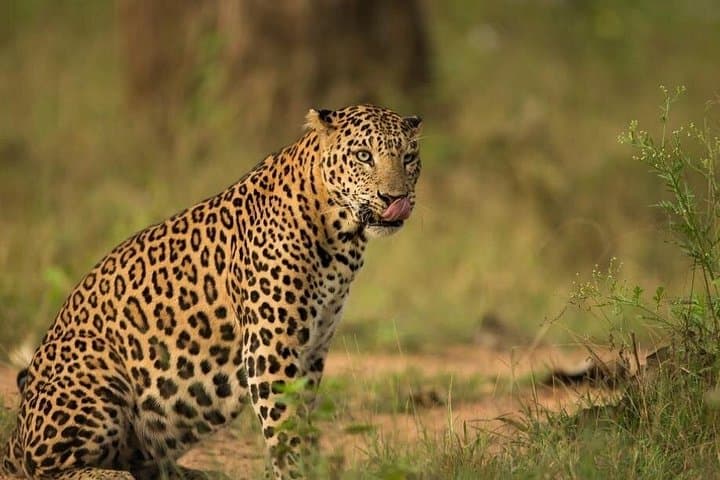
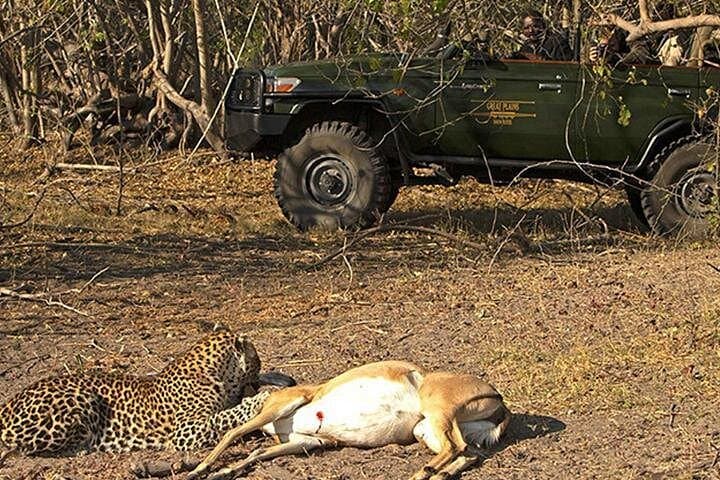
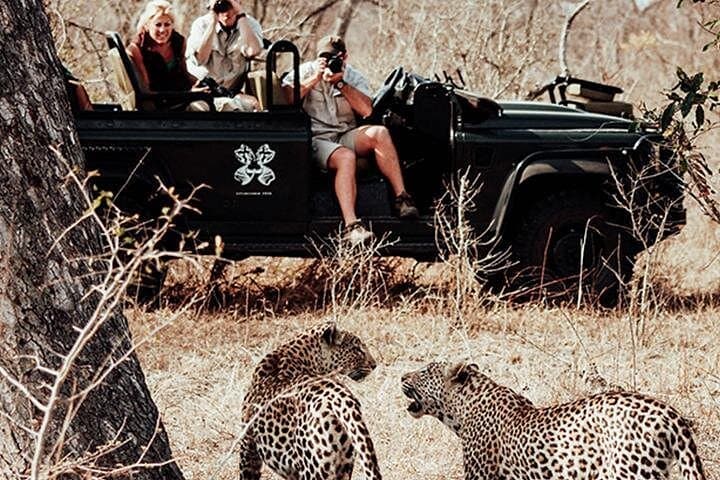
Expect open-air gypsy safaris offered in two slots (early morning and late afternoon), guided by forest staff who read animal sign and birdsong. Sightings vary: resident leopards and their cubs move silently, striped hyenas and golden jackals patrol at dusk, and a lively cast of birds — pitta, eagle and owlet — animate the canopy.
Practical guidance: arrive hydrated and with sun protection; vehicles are basic and rides can be bumpy; permits are controlled so book in advance or accept the Amagarh alternative. Keep noise low, follow your guide’s instructions, and carry binoculars and a camera with a tele lens. A 2¾-hour safari rewards patience more than speed — sit still, scan the scrub, and let the forest decide when to reveal itself.
No — sightings depend on animal movements and time of day; guides increase chances through local knowledge but wildlife is never guaranteed.
Two slots are typical: early morning (around 6:45–9:30 AM) and late afternoon (around 3:30–6:15 PM), matching peak animal activity.
Yes — the activity is suitable for all fitness levels; infants must sit on an adult’s lap and follow safety instructions.
Operators often offer the Amagarh safari as an alternative or allow rescheduling; refunds may not be available, so confirm policies before booking.
BanBanjara operates guided outdoor trips and adventures with an emphasis on safety, stewardship, and memorable experiences.
The jeep bumps off the paved road and into scrub; early light paints the acacia trunks gold and a distant branch snaps as something weighs the silence. In Jhalana Leopard Conservation Reserve, just north of Jaipur, the landscape feels deliberate — dry low hills, thorny scrub and open grass patches where leopards and jackals test the edges of human presence.
The jeep bumps off the paved road and into scrub; early light paints the acacia trunks gold and a distant branch snaps as something weighs the silence. In Jhalana Leopard Conservation Reserve, just north of Jaipur, the landscape feels deliberate — dry low hills, thorny scrub and open grass patches where leopards and jackals test the edges of human presence.
Once a royal hunting ground for Rajasthan’s maharajas, Jhalana was converted into a conservation reserve in recent decades and now protects roughly 20 square kilometers of semi-arid terrain. The underlying geology is ancient Aravalli foothill rock — low ridges of weathered granite and schist that channel seasonal streams and create the small pockets of denser vegetation where wildlife concentrates. Local culture blends with the reserve: village shepherds, temple groves and the three-storeyed Shikaar Audhi hunting lodge sit at the reserve’s heart, a reminder of human histories layered over wild ones.
Expect open-air gypsy safaris offered in two slots (early morning and late afternoon), guided by forest staff who read animal sign and birdsong. Sightings vary: resident leopards and their cubs move silently, striped hyenas and golden jackals patrol at dusk, and a lively cast of birds — pitta, eagle and owlet — animate the canopy.
Practical guidance: arrive hydrated and with sun protection; vehicles are basic and rides can be bumpy; permits are controlled so book in advance or accept the Amagarh alternative. Keep noise low, follow your guide’s instructions, and carry binoculars and a camera with a tele lens. A 2¾-hour safari rewards patience more than speed — sit still, scan the scrub, and let the forest decide when to reveal itself.