THE ADVENTURE COLLECTIVE® · Independent discovery and booking for outdoor travel

A short, cultural trek from Pokhara to Ghandruk and the natural hot springs at Jhinu Danda. Expect village walks, a Gurung museum visit and a restorative soak beneath Annapurna peaks.
A short, cultural trek from Pokhara to Ghandruk and the natural hot springs at Jhinu Danda. Expect village walks, a Gurung museum visit and a restorative soak beneath Annapurna peaks.
Dawn breaks over terraced fields as a dusty jeep pulls away from Pokhara and the road climbs toward Ghandruk; the air cools, prayer flags tremble at hamlet turnoffs and the first jagged teeth of the Annapurnas appear white on the skyline. By midday the group walks narrow stone steps above a green valley, the trail ringing with the distant rush of Modi Khola.
Verified experiences and guided adventures in the surrounding area.
Operated by Himalayan Smile Treks and Adventure Pvt. Ltd · Pokhara, Gandaki Province
Dawn breaks over terraced fields as a dusty jeep pulls away from Pokhara and the road climbs toward Ghandruk; the air cools, prayer flags tremble at hamlet turnoffs and the first jagged teeth of the Annapurnas appear white on the skyline. By midday the group walks narrow stone steps above a green valley, the trail ringing with the distant rush of Modi Khola.
The route threads Gurung villages and Buddhist gompas: Ghandruk, ancestral home of the Gurung people, offers a living cultural stop — a small museum, evening Rodhi folk gatherings and sweeping Himalayan vistas. Geologically the corridor lies on steep, folded slopes of the Lesser Himalaya; trails follow old mule tracks and river terraces carved by Modi and Kimrong rivers.
Culturally, expect simple mountain hospitality in family-run lodges, rice-and-lentil meals and local stories of warrior traditions. The highlight is Jhinu Danda’s natural hot springs — a brief downhill walk from the lodges where sulfur-warmed pools invite muscle recovery.
Practically: the trek is a short multi-day route best done in 2–3 days from Pokhara. Trails are stone steps and forest tracks with 300–900 m daily elevation changes; good footwear and steady knees matter more than technical skills. Plan for early starts to catch mountain light, carry water and layers for rapid weather shifts, and respect local etiquette at hot springs (modest swimwear, shower before entering). With basic fitness this is an accessible Himalayan introduction — part cultural village walk, part riverside thermal soak, all set beneath towering, snow-fed peaks.
Typical trekking time is about 4–5 hours over stone steps and forest trail, with steady uphill and some flat traverses.
Locals use the pools daily; rinse before entering, avoid open wounds, and follow host guidance about water temperature and pools in use.
Annapurna Conservation Area permits are required; many short treks hire local guides or join small-group departures for navigation and local insight.
Spring (March–May) and fall (September–November) offer stable weather and clear mountain views; monsoon brings heat and slippery trails.
Himalayan Smile Treks and Adventure Pvt. Ltd operates guided outdoor trips and adventures with an emphasis on safety, stewardship, and memorable experiences.
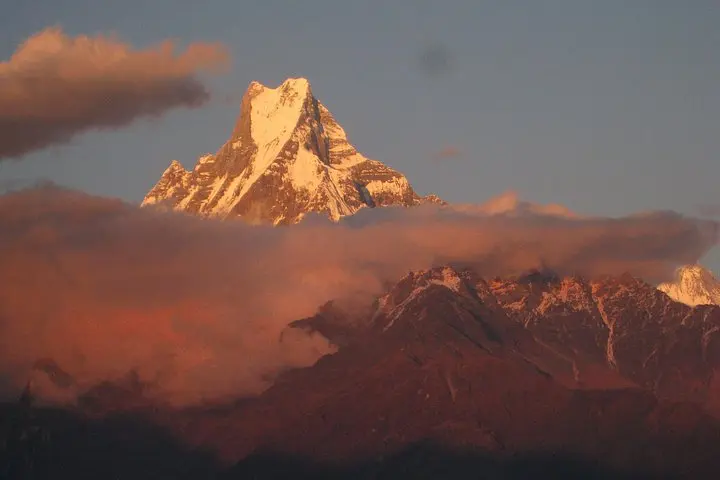
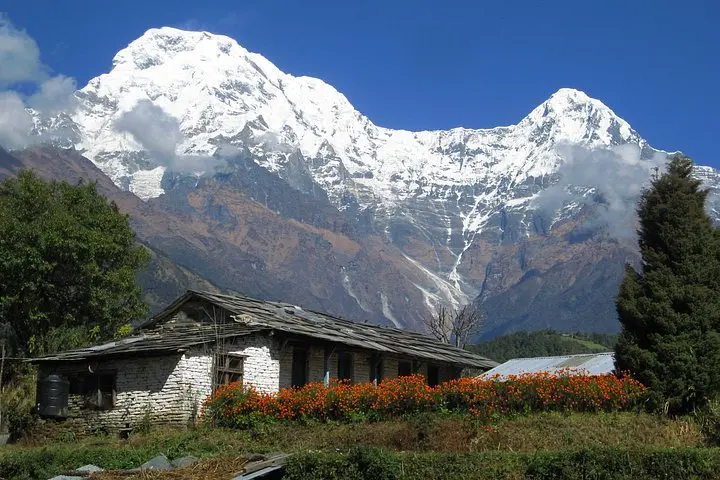
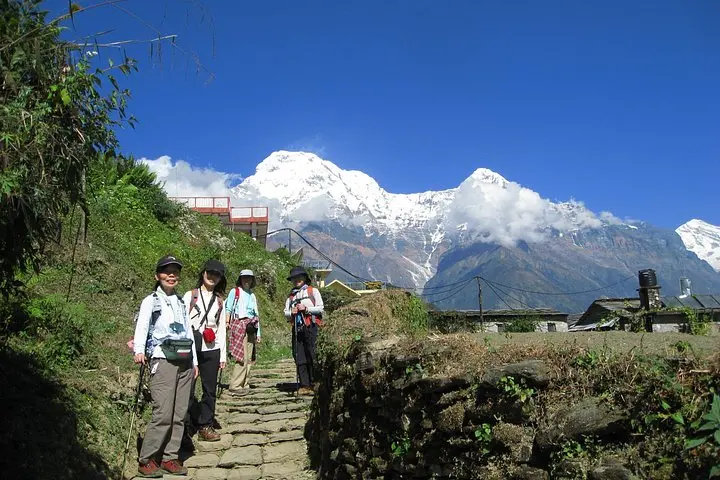
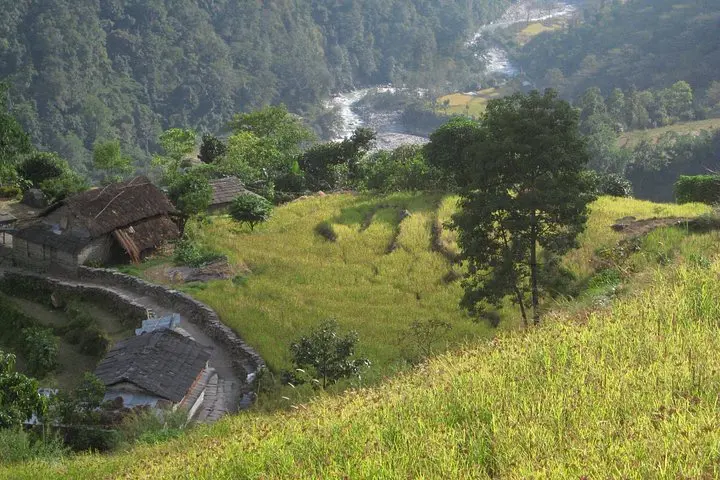
Dawn breaks over terraced fields as a dusty jeep pulls away from Pokhara and the road climbs toward Ghandruk; the air cools, prayer flags tremble at hamlet turnoffs and the first jagged teeth of the Annapurnas appear white on the skyline. By midday the group walks narrow stone steps above a green valley, the trail ringing with the distant rush of Modi Khola.
Dawn breaks over terraced fields as a dusty jeep pulls away from Pokhara and the road climbs toward Ghandruk; the air cools, prayer flags tremble at hamlet turnoffs and the first jagged teeth of the Annapurnas appear white on the skyline. By midday the group walks narrow stone steps above a green valley, the trail ringing with the distant rush of Modi Khola.
The route threads Gurung villages and Buddhist gompas: Ghandruk, ancestral home of the Gurung people, offers a living cultural stop — a small museum, evening Rodhi folk gatherings and sweeping Himalayan vistas. Geologically the corridor lies on steep, folded slopes of the Lesser Himalaya; trails follow old mule tracks and river terraces carved by Modi and Kimrong rivers.
Culturally, expect simple mountain hospitality in family-run lodges, rice-and-lentil meals and local stories of warrior traditions. The highlight is Jhinu Danda’s natural hot springs — a brief downhill walk from the lodges where sulfur-warmed pools invite muscle recovery.
Practically: the trek is a short multi-day route best done in 2–3 days from Pokhara. Trails are stone steps and forest tracks with 300–900 m daily elevation changes; good footwear and steady knees matter more than technical skills. Plan for early starts to catch mountain light, carry water and layers for rapid weather shifts, and respect local etiquette at hot springs (modest swimwear, shower before entering). With basic fitness this is an accessible Himalayan introduction — part cultural village walk, part riverside thermal soak, all set beneath towering, snow-fed peaks.