THE ADVENTURE COLLECTIVE® · Independent discovery and booking for outdoor travel

Hike the dramatic Jiankou-to-Mutianyu section of the Great Wall on a private guided trek. Expect 10 km of mixed terrain—raw unrestored masonry, steep climbs, and sweeping valley views—plus transport and a downhill shuttle at Mutianyu.
Hike the dramatic Jiankou-to-Mutianyu section of the Great Wall on a private guided trek. Expect 10 km of mixed terrain—raw unrestored masonry, steep climbs, and sweeping valley views—plus transport and a downhill shuttle at Mutianyu.
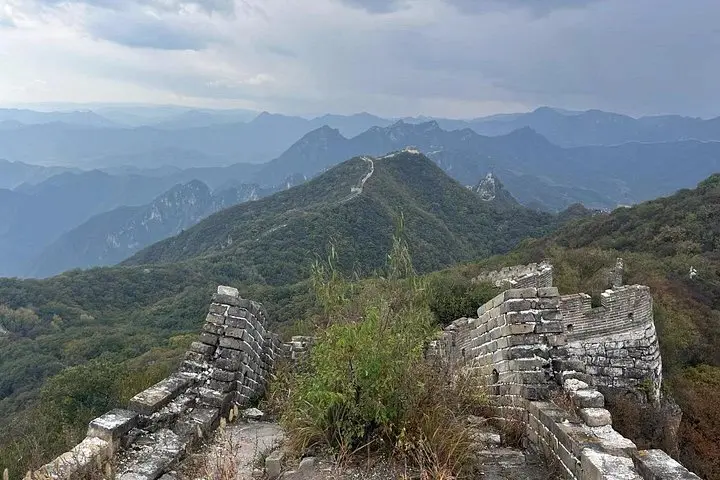
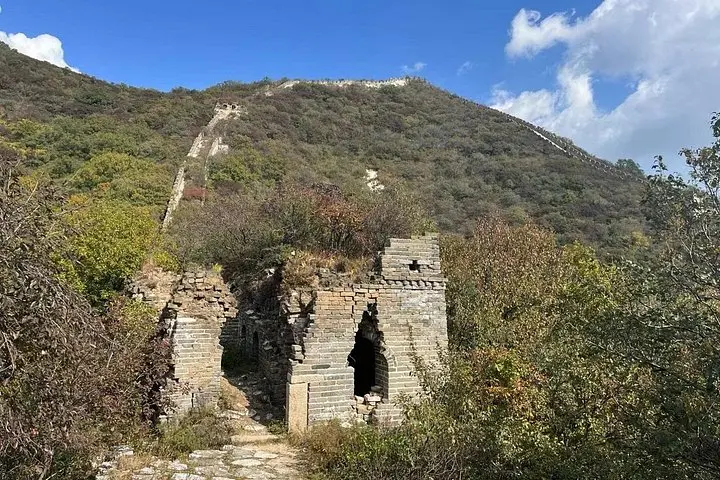
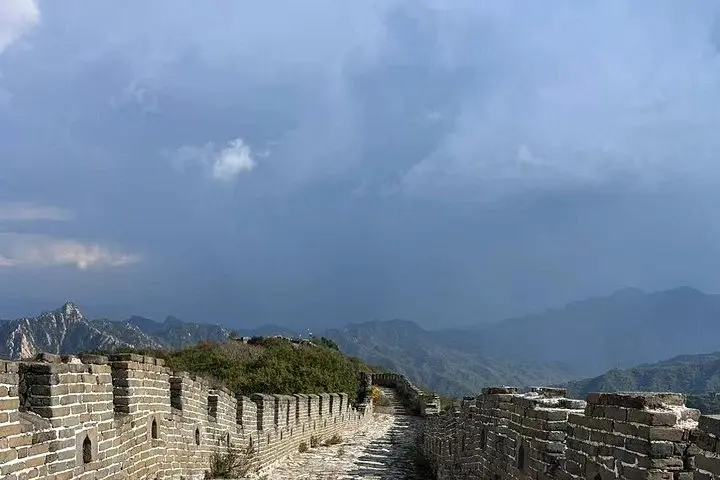
A wind-swept ridge drops away and a crenellated spine of stone follows it, rising and falling with the hills as you step onto the Jiankou section of the Great Wall. The route from Jiankou to Mutianyu threads raw, unrestored masonry and neatly rehabilitated ramparts, alternating between exposed towers and narrow, grassy terraces where the wall feels more like a trail than a monument.
Verified experiences and guided adventures in the surrounding area.
Operated by China Pleasure Tour Co,. Ltd. · Beijing, Beijing
A wind-swept ridge drops away and a crenellated spine of stone follows it, rising and falling with the hills as you step onto the Jiankou section of the Great Wall. The route from Jiankou to Mutianyu threads raw, unrestored masonry and neatly rehabilitated ramparts, alternating between exposed towers and narrow, grassy terraces where the wall feels more like a trail than a monument.
Jiankou preserves the Ming Dynasty’s rough hand: cracked bricks, collapsed parapets and watchtowers that stare into the valley. Mutianyu, by contrast, was rebuilt for easier access and sweeping views. Geologically the range is low hills of Cretaceous sediments with soil that erodes quickly, which is why some parts are wild and others rebuilt. Culturally, this stretch lies in Huairou District—an area long tied to Beijing’s defensive ring and now to rural tourism and local farming.
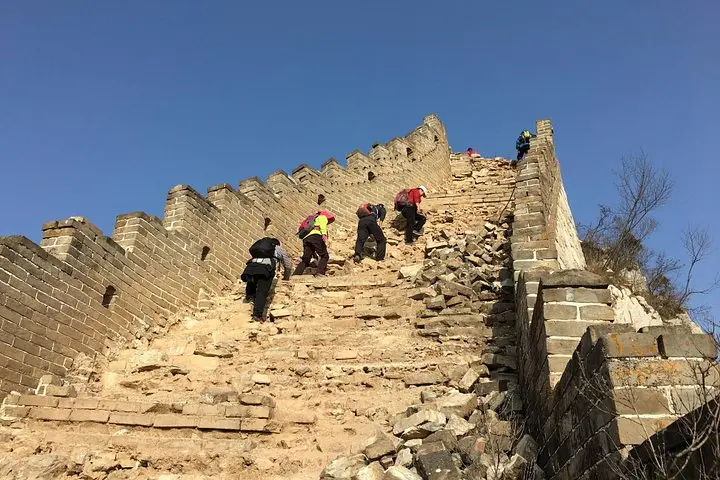
Practically: expect about 10 km (6 miles) of mixed terrain with steep ascents and descents, loose stone, and narrow exposed sections. Guides lead the way and the tour usually includes transport, entrance fees, snacks, and a downhill shuttle from Mutianyu. Wear sturdy hiking shoes, carry 2–3 liters of water, and plan for 5–6 hours of hiking time (longer with breaks). Start early to avoid crowds at Mutianyu and midday heat; winter brings icy steps, spring can be muddy, and autumn offers the clearest air. The route rewards persistence with panoramic valleys, deserted towers, and the rare sensation of walking a living frontier—part history lesson, part physical challenge.
The walking distance is about 10 km (6 miles); expect roughly 5–6 hours of hiking time depending on pace and stops.
Jiankou contains unrestored, steep, and narrow sections—beginners can do it with a guide but should have good fitness and comfortable footwear.
Tours typically include entrance fees to Jiankou and Mutianyu, guide service, and round-trip transport from Beijing; confirm inclusions when booking.
Late spring and autumn offer the best balance—mild temperatures and clearer air; avoid peak summer heat and be cautious in winter when ice can make steps slippery.
China Pleasure Tour Co,. Ltd. operates guided outdoor trips and adventures with an emphasis on safety, stewardship, and memorable experiences.
A wind-swept ridge drops away and a crenellated spine of stone follows it, rising and falling with the hills as you step onto the Jiankou section of the Great Wall. The route from Jiankou to Mutianyu threads raw, unrestored masonry and neatly rehabilitated ramparts, alternating between exposed towers and narrow, grassy terraces where the wall feels more like a trail than a monument.
A wind-swept ridge drops away and a crenellated spine of stone follows it, rising and falling with the hills as you step onto the Jiankou section of the Great Wall. The route from Jiankou to Mutianyu threads raw, unrestored masonry and neatly rehabilitated ramparts, alternating between exposed towers and narrow, grassy terraces where the wall feels more like a trail than a monument.
Jiankou preserves the Ming Dynasty’s rough hand: cracked bricks, collapsed parapets and watchtowers that stare into the valley. Mutianyu, by contrast, was rebuilt for easier access and sweeping views. Geologically the range is low hills of Cretaceous sediments with soil that erodes quickly, which is why some parts are wild and others rebuilt. Culturally, this stretch lies in Huairou District—an area long tied to Beijing’s defensive ring and now to rural tourism and local farming.
Practically: expect about 10 km (6 miles) of mixed terrain with steep ascents and descents, loose stone, and narrow exposed sections. Guides lead the way and the tour usually includes transport, entrance fees, snacks, and a downhill shuttle from Mutianyu. Wear sturdy hiking shoes, carry 2–3 liters of water, and plan for 5–6 hours of hiking time (longer with breaks). Start early to avoid crowds at Mutianyu and midday heat; winter brings icy steps, spring can be muddy, and autumn offers the clearest air. The route rewards persistence with panoramic valleys, deserted towers, and the rare sensation of walking a living frontier—part history lesson, part physical challenge.