THE ADVENTURE COLLECTIVE® · Independent discovery and booking for outdoor travel

Traverse the raw, unrestored ridges of Jiankou and finish on the restored towers of Mutianyu in a single day. This challenging 8–9 hour tour combines rugged scrambling, dramatic views and a cable-car option for descent.
Traverse the raw, unrestored ridges of Jiankou and finish on the restored towers of Mutianyu in a single day. This challenging 8–9 hour tour combines rugged scrambling, dramatic views and a cable-car option for descent.
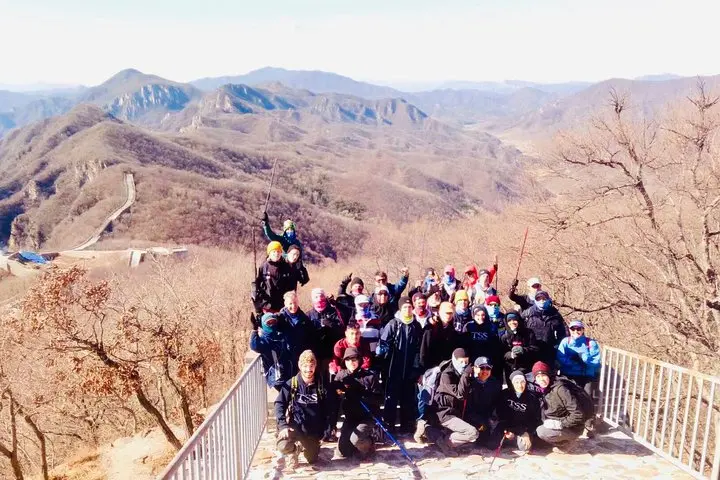
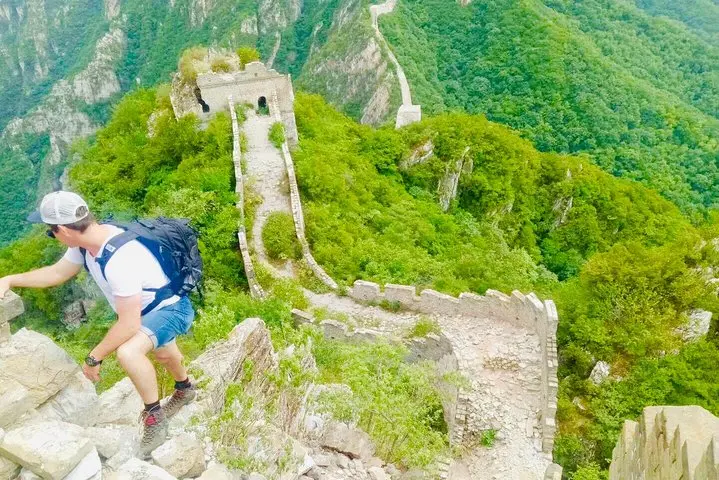
You step out of the car where the mountains rise like a broken spine—steep, jagged ruins of brick and stone cutting across ridgelines. The Jiankou section ahead is raw: collapsed steps, narrow crenellations and towers that seem to have been left to the weather. Wind threads through the gaps and dares you forward; the wall itself pushes you along the ridge toward Mutianyu, where broad, restored walkways and watchtowers wait like a safer shore.
Verified experiences and guided adventures in the surrounding area.
Operated by Beijing Short Tours · Huairou, Beijing
You step out of the car where the mountains rise like a broken spine—steep, jagged ruins of brick and stone cutting across ridgelines. The Jiankou section ahead is raw: collapsed steps, narrow crenellations and towers that seem to have been left to the weather. Wind threads through the gaps and dares you forward; the wall itself pushes you along the ridge toward Mutianyu, where broad, restored walkways and watchtowers wait like a safer shore.
Jiankou is one of the most dramatic unrestored stretches of the Ming-era Great Wall, carved into steep dolomite and limestone ridges. Mutianyu, rebuilt in the mid-20th century, shows the wall's defensive architecture with regular towers and clearer paths. Together they illustrate centuries of construction, local quarrying and strategic siting above the Huairou valleys. The area is traditionally rural; you may pass terraced fields and small villages that once served wall garrisons.
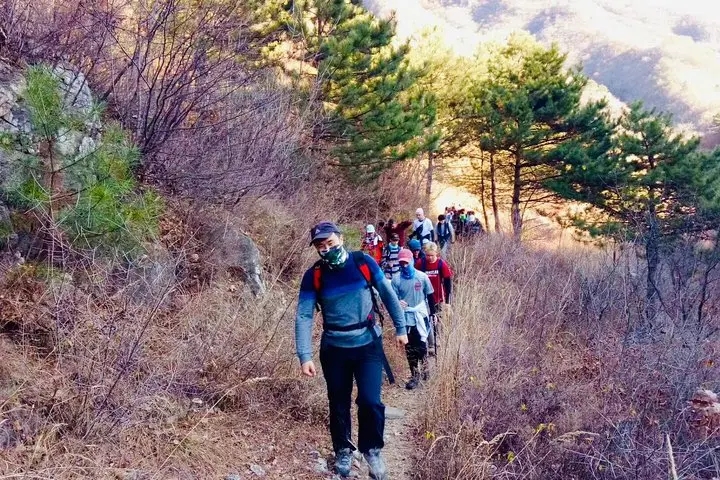
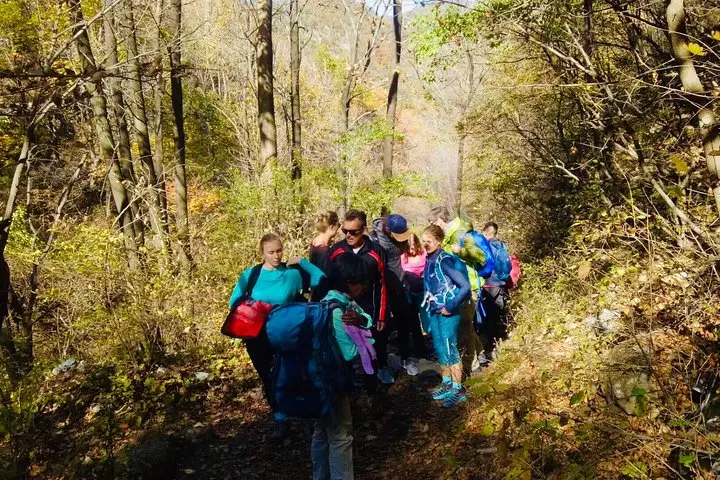
Practical guidance: expect a 3–4 hour hike (about 8–12 km depending on route) with roughly 300–500 m of cumulative ascent and technical scrambling on unstable sections at Jiankou. The tour includes vehicle transfers (about 2 hours each way from central Beijing), a Mandarin-speaking guide, and optional cable car or toboggan descent at Mutianyu. Wear sturdy shoes with grip, carry 2–3 liters of water, and bring layered clothing—conditions change quickly on the ridge. Start early to avoid heat and return before late afternoon light fades. Mobile signal is patchy; follow your guide on ruins sections and avoid edging too close to crumbling parapets. The reward: panoramic views across terraced folds of forest and a vivid contrast between raw and restored history in a single, sweat-earned day.
The hiking portion typically takes 3–4 hours and covers roughly 8–12 km depending on exact path choices and detours.
Yes — the tour usually offers the Mutianyu cable car or a toboggan sled (weather permitting) as an option for descent to save time and knees.
Jiankou is unrestored and includes steep, crumbling sections; beginners should go with a guide, be cautious on ledges, and avoid risky scrambles.
Most day tours include hotel pickup/drop-off, a driver and a Mandarin-speaking hiking guide; confirm language support and meeting details when you book.
Beijing Short Tours operates guided outdoor trips and adventures with an emphasis on safety, stewardship, and memorable experiences.
You step out of the car where the mountains rise like a broken spine—steep, jagged ruins of brick and stone cutting across ridgelines. The Jiankou section ahead is raw: collapsed steps, narrow crenellations and towers that seem to have been left to the weather. Wind threads through the gaps and dares you forward; the wall itself pushes you along the ridge toward Mutianyu, where broad, restored walkways and watchtowers wait like a safer shore.
You step out of the car where the mountains rise like a broken spine—steep, jagged ruins of brick and stone cutting across ridgelines. The Jiankou section ahead is raw: collapsed steps, narrow crenellations and towers that seem to have been left to the weather. Wind threads through the gaps and dares you forward; the wall itself pushes you along the ridge toward Mutianyu, where broad, restored walkways and watchtowers wait like a safer shore.
Jiankou is one of the most dramatic unrestored stretches of the Ming-era Great Wall, carved into steep dolomite and limestone ridges. Mutianyu, rebuilt in the mid-20th century, shows the wall's defensive architecture with regular towers and clearer paths. Together they illustrate centuries of construction, local quarrying and strategic siting above the Huairou valleys. The area is traditionally rural; you may pass terraced fields and small villages that once served wall garrisons.
Practical guidance: expect a 3–4 hour hike (about 8–12 km depending on route) with roughly 300–500 m of cumulative ascent and technical scrambling on unstable sections at Jiankou. The tour includes vehicle transfers (about 2 hours each way from central Beijing), a Mandarin-speaking guide, and optional cable car or toboggan descent at Mutianyu. Wear sturdy shoes with grip, carry 2–3 liters of water, and bring layered clothing—conditions change quickly on the ridge. Start early to avoid heat and return before late afternoon light fades. Mobile signal is patchy; follow your guide on ruins sections and avoid edging too close to crumbling parapets. The reward: panoramic views across terraced folds of forest and a vivid contrast between raw and restored history in a single, sweat-earned day.