THE ADVENTURE COLLECTIVE® · Independent discovery and booking for outdoor travel

Traverse the classic Jiankou-to-Mutianyu route in one day: 10 km of wild, precipitous wall and restored battlements. A demanding but rewarding hike that moves from ruin to restoration with dramatic ridge-line views.
Traverse the classic Jiankou-to-Mutianyu route in one day: 10 km of wild, precipitous wall and restored battlements. A demanding but rewarding hike that moves from ruin to restoration with dramatic ridge-line views.
A cold morning light slices across jagged stone as you climb out of the village toward Jiankou’s first watchtower. The wall here rises like a weathered spine, crumbling in places, sheer in others; wind and gravity have given it an uncompromising personality. From the highest outcrops you look east and the Great Wall reforms into the neat, restored terraces of Mutianyu.
Verified experiences and guided adventures in the surrounding area.
Operated by Trippest Travel · Huairou, Beijing
A cold morning light slices across jagged stone as you climb out of the village toward Jiankou’s first watchtower. The wall here rises like a weathered spine, crumbling in places, sheer in others; wind and gravity have given it an uncompromising personality. From the highest outcrops you look east and the Great Wall reforms into the neat, restored terraces of Mutianyu.
Jiankou and Mutianyu present two chapters of the Ming-dynasty frontier: Jiankou — largely wild, eroded and steep — shows builders’ lines softened by centuries, while Mutianyu has been rebuilt for visitors, with contiguous battlements and restored watchtowers. The geology is cold granite and schist, folded ridgelines that force the wall to climb knife-edge crests and step down into gullies. Local villages such as Badaohe still serve simple meals and provide a human scale to the landscape.
Expect roughly 10 km (6 miles) of walking over 5 hours: steep ascents, exposed ridgelines, one ladder at Zhengbei Tower and sections of loose stone requiring surefootedness. The tour typically starts early from Beijing with hotel pickup (4th Ring Zone), includes a local lunch stop, and returns the same day. Bring layered clothing — wind and sun alternate quickly on the ridge — and plan for physical effort: this is a challenging hike best attempted by experienced hikers or those comfortable with scrambling. Respect closures: Jiankou is occasionally restricted by authorities; guides will reroute to Jinshanling if needed. Start early, carry 2–3 L of water, and leave room in your day for tired legs and great photos.
The hiking portion is challenging: about 10 km with steep, uneven sections and some scrambling; a high fitness level and surefootedness are recommended.
Lunch is not included; the group stops at a local restaurant near the wall. Restrooms are available at Mutianyu visitors’ areas but not reliably along Jiankou’s wild sections.
Yes — Jiankou can be temporarily closed by authorities; guides may reroute to Jinshanling or adjust the itinerary without extra charge.
No special permits required for visitors, but prior hiking experience on exposed, uneven terrain is strongly advised given the wild character of Jiankou.
Trippest Travel operates guided outdoor trips and adventures with an emphasis on safety, stewardship, and memorable experiences.
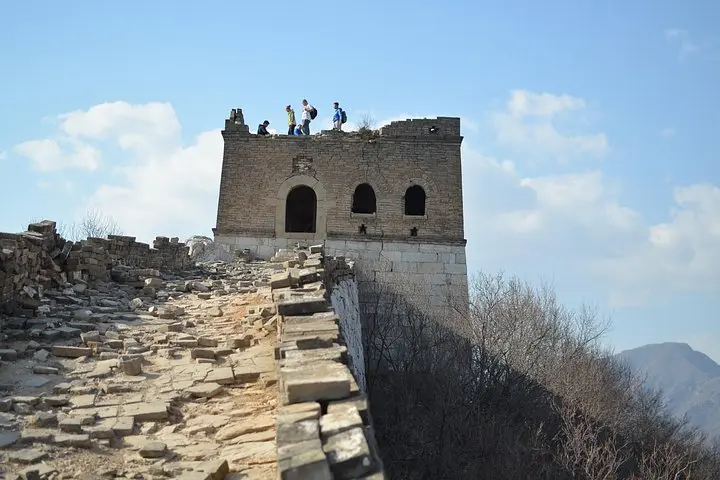

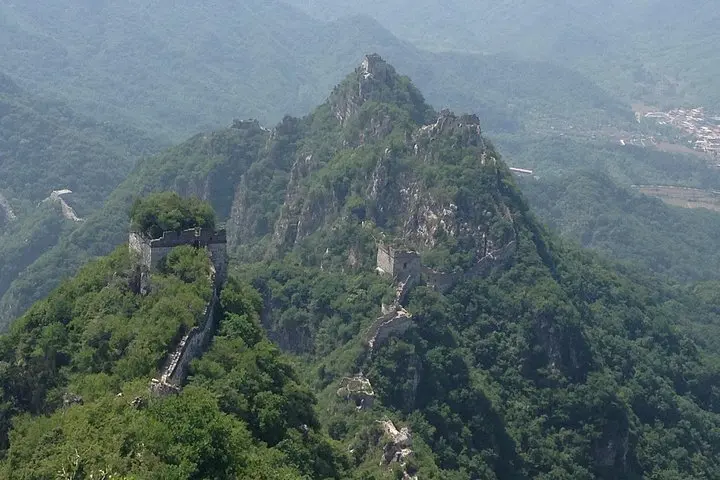
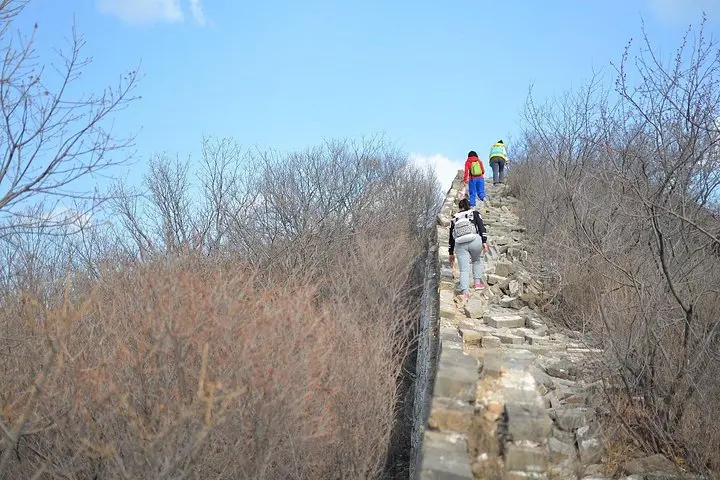
A cold morning light slices across jagged stone as you climb out of the village toward Jiankou’s first watchtower. The wall here rises like a weathered spine, crumbling in places, sheer in others; wind and gravity have given it an uncompromising personality. From the highest outcrops you look east and the Great Wall reforms into the neat, restored terraces of Mutianyu.
A cold morning light slices across jagged stone as you climb out of the village toward Jiankou’s first watchtower. The wall here rises like a weathered spine, crumbling in places, sheer in others; wind and gravity have given it an uncompromising personality. From the highest outcrops you look east and the Great Wall reforms into the neat, restored terraces of Mutianyu.
Jiankou and Mutianyu present two chapters of the Ming-dynasty frontier: Jiankou — largely wild, eroded and steep — shows builders’ lines softened by centuries, while Mutianyu has been rebuilt for visitors, with contiguous battlements and restored watchtowers. The geology is cold granite and schist, folded ridgelines that force the wall to climb knife-edge crests and step down into gullies. Local villages such as Badaohe still serve simple meals and provide a human scale to the landscape.
Expect roughly 10 km (6 miles) of walking over 5 hours: steep ascents, exposed ridgelines, one ladder at Zhengbei Tower and sections of loose stone requiring surefootedness. The tour typically starts early from Beijing with hotel pickup (4th Ring Zone), includes a local lunch stop, and returns the same day. Bring layered clothing — wind and sun alternate quickly on the ridge — and plan for physical effort: this is a challenging hike best attempted by experienced hikers or those comfortable with scrambling. Respect closures: Jiankou is occasionally restricted by authorities; guides will reroute to Jinshanling if needed. Start early, carry 2–3 L of water, and leave room in your day for tired legs and great photos.