THE ADVENTURE COLLECTIVE® · Independent discovery and booking for outdoor travel

Spend a private day in Nagano’s mountains watching snow monkeys soak in natural hot springs and walking the cedar-lined approaches to Togakushi’s centuries-old shrines. This private tour pairs wildlife viewing with cultural depth, flexible timing, and local insights.
Spend a private day in Nagano’s mountains watching snow monkeys soak in natural hot springs and walking the cedar-lined approaches to Togakushi’s centuries-old shrines. This private tour pairs wildlife viewing with cultural depth, flexible timing, and local insights.
You step out of an air-conditioned car into a thin mountain air that smells of cedar and hot steam. A short trail threads upward through firs and wet leaf litter; ahead, a steam-silverled pool waits where Japanese macaques soak like small, grunting emperors. Later the car winds northwest to Togakushi, where an avenue of ancient cedar trunks frames a slow, deliberate walk to a hilltop shrine.
Verified experiences and guided adventures in the surrounding area.
Operated by Omotenashi Travel Nagano · Nagano, Nagano Prefecture
You step out of an air-conditioned car into a thin mountain air that smells of cedar and hot steam. A short trail threads upward through firs and wet leaf litter; ahead, a steam-silverled pool waits where Japanese macaques soak like small, grunting emperors. Later the car winds northwest to Togakushi, where an avenue of ancient cedar trunks frames a slow, deliberate walk to a hilltop shrine.
Jigokudani’s geology is volcanic—groundwater warmed by geothermal activity feeds the pools the macaques favor in winter. The snow monkey habit of bathing in onsen is a learned, seasonal behavior that draws researchers and photographers alike. Togakushi’s shrines date back centuries and sit along pilgrim routes, their cedar-lined approach offering a tangible sense of local Shinto practice and a surprising link to regional ninja lore. Both places feed local culture: soba shops in Togakushi and ryokan in Yudanaka cluster around these traditions.
Practical guidance: expect a 30–40 minute forest walk at Jigokudani over roots and sometimes snow; wear sturdy shoes and layered outerwear. Admission to the snow monkey park is a modest cash fee (about ¥800 adults, ¥400 children). Bring a camera with a tele lens, but avoid flash and never feed or approach monkeys. Togakushi’s Upper Shrine involves another 30–40 minute walk along packed earth and stone steps—good footwear again. A private car and English-speaking guide make logistics simple: use the day to time visits for softer light and fewer crowds, plan a relaxed soba lunch, and pack water and snacks for the long day in mountain weather.
Expect a 30–40 minute walk from the park entrance to the viewing area over an uneven forest path; allow extra time in snow.
Monkeys are wild and can be unpredictable—do not feed or touch them, keep distance, and follow guide instructions to minimize risk.
Admission to Jigokudani Snow Monkey Park is typically paid on-site (around ¥800 adults, ¥400 children); check current prices and bring cash.
Yes—this private tour schedules both in a single day with private transport and an English-speaking guide, making the logistics straightforward.
Omotenashi Travel Nagano operates guided outdoor trips and adventures with an emphasis on safety, stewardship, and memorable experiences.
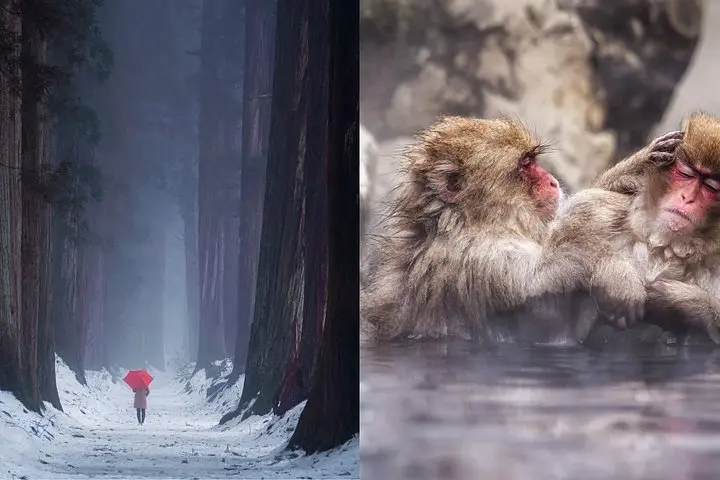
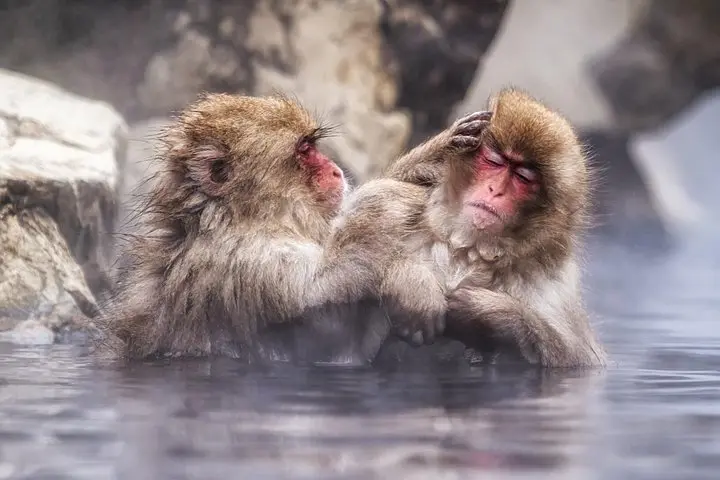
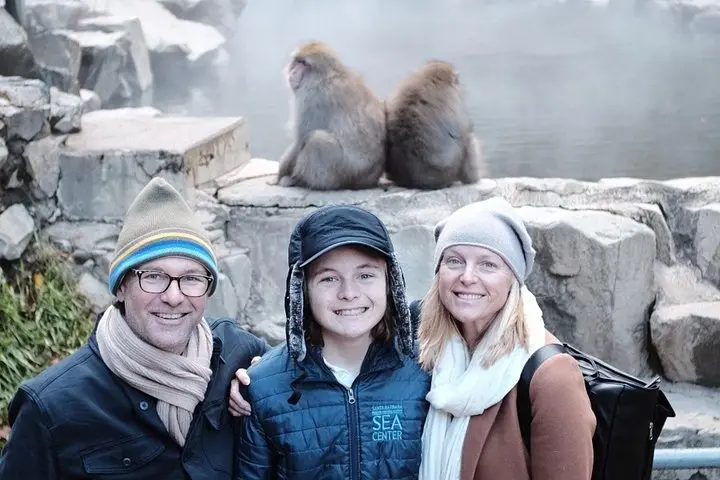
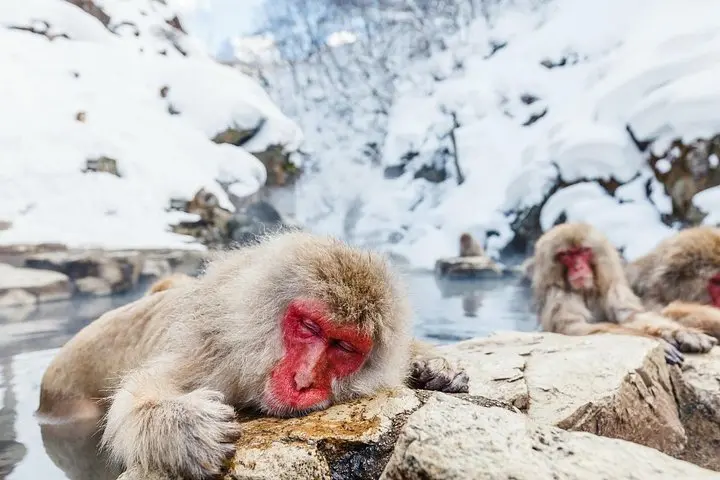
You step out of an air-conditioned car into a thin mountain air that smells of cedar and hot steam. A short trail threads upward through firs and wet leaf litter; ahead, a steam-silverled pool waits where Japanese macaques soak like small, grunting emperors. Later the car winds northwest to Togakushi, where an avenue of ancient cedar trunks frames a slow, deliberate walk to a hilltop shrine.
You step out of an air-conditioned car into a thin mountain air that smells of cedar and hot steam. A short trail threads upward through firs and wet leaf litter; ahead, a steam-silverled pool waits where Japanese macaques soak like small, grunting emperors. Later the car winds northwest to Togakushi, where an avenue of ancient cedar trunks frames a slow, deliberate walk to a hilltop shrine.
Jigokudani’s geology is volcanic—groundwater warmed by geothermal activity feeds the pools the macaques favor in winter. The snow monkey habit of bathing in onsen is a learned, seasonal behavior that draws researchers and photographers alike. Togakushi’s shrines date back centuries and sit along pilgrim routes, their cedar-lined approach offering a tangible sense of local Shinto practice and a surprising link to regional ninja lore. Both places feed local culture: soba shops in Togakushi and ryokan in Yudanaka cluster around these traditions.
Practical guidance: expect a 30–40 minute forest walk at Jigokudani over roots and sometimes snow; wear sturdy shoes and layered outerwear. Admission to the snow monkey park is a modest cash fee (about ¥800 adults, ¥400 children). Bring a camera with a tele lens, but avoid flash and never feed or approach monkeys. Togakushi’s Upper Shrine involves another 30–40 minute walk along packed earth and stone steps—good footwear again. A private car and English-speaking guide make logistics simple: use the day to time visits for softer light and fewer crowds, plan a relaxed soba lunch, and pack water and snacks for the long day in mountain weather.