THE ADVENTURE COLLECTIVE® · Independent discovery and booking for outdoor travel

Walk a short, steamy ravine to watch Japanese macaques bathe in open-air hot springs. This guided tour from Yudanaka pairs easy hiking with close, regulated wildlife viewing and onsen-town culture.
Walk a short, steamy ravine to watch Japanese macaques bathe in open-air hot springs. This guided tour from Yudanaka pairs easy hiking with close, regulated wildlife viewing and onsen-town culture.
The trail opens beneath a tight stand of conifers; steam threads up through the valley and the river seems to dare you to follow. Within thirty minutes a wooden boardwalk crests a bend and, often in winter, a cluster of Japanese macaques lounges in a steaming pool — their breath condensing in the cold air while quiet tourists watch from the path.
Verified experiences and guided adventures in the surrounding area.
Operated by Trip Designer Inc. · Yudanaka / Yamanouchi, Nagano
The trail opens beneath a tight stand of conifers; steam threads up through the valley and the river seems to dare you to follow. Within thirty minutes a wooden boardwalk crests a bend and, often in winter, a cluster of Japanese macaques lounges in a steaming pool — their breath condensing in the cold air while quiet tourists watch from the path.
Jigokudani Yaen-koen sits in a volcanic hollow carved by hot springs and icy streams. The park's nickname, “Hell Valley,” comes from the hissing fumaroles and steep cliffs that frame the Yokoyu River. The monkeys' habit of soaking was widely publicized in the 1970 Life magazine spread and interest surged again around the 1998 Nagano Winter Olympics, when international visitors first discovered these habituated but wild animals.
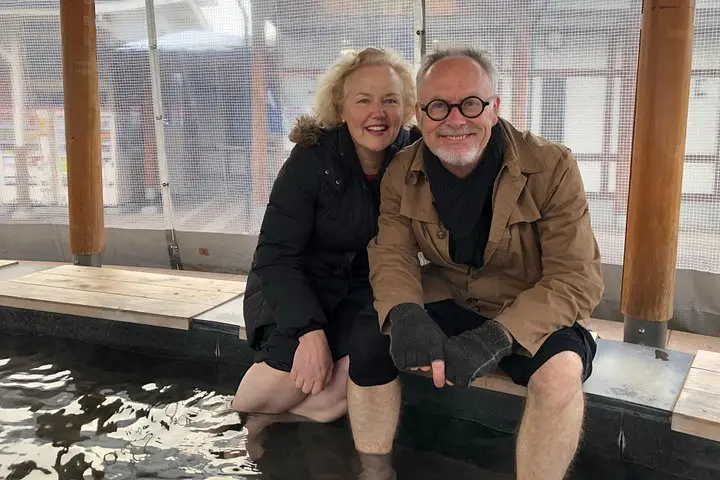
Locally, Yudanaka and nearby Shibu Onsen are small onsen towns where footbaths and apple-pie cafés settle the traveler after a cold walk. Geologically, you’re walking over volcanic groundwater heated by the Itoigawa-Shizuoka Tectonic Line, so mineral-rich springs and sudden steam vents are part of the landscape’s personality.
Practical guidance: tours typically run 3–4 hours total; expect 20–40 minutes of walking on uneven, sometimes icy boardwalks. Stay on designated paths, keep cameras quiet, and never feed or corner monkeys — they are wild animals and will react. Dress in layers, choose grippy footwear, and plan mornings for softer light and more active macaques. The experience is equal parts wildlife viewing and a short, atmospheric mountain walk.
Winter (December–February) brings snow and the highest likelihood of seeing macaques in the hot springs, though they are visible year-round.
No — feeding or touching is prohibited to protect both visitors and wildlife; keep to the boardwalk and follow your guide's instructions.
The forest approach from the park entrance is typically a 20–40 minute walk on maintained boardwalks and dirt trails; allow time for stops and photos.
Access includes wooden boardwalks and uneven sections; the route is not fully wheelchair-accessible—contact local operators for current accessibility options.
Trip Designer Inc. operates guided outdoor trips and adventures with an emphasis on safety, stewardship, and memorable experiences.
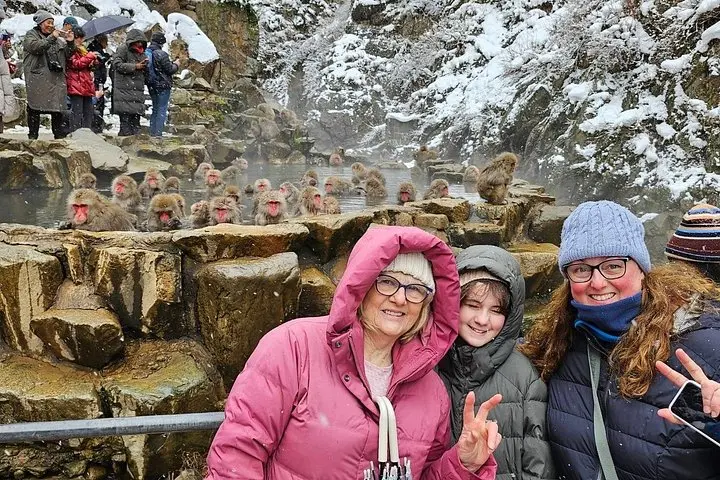
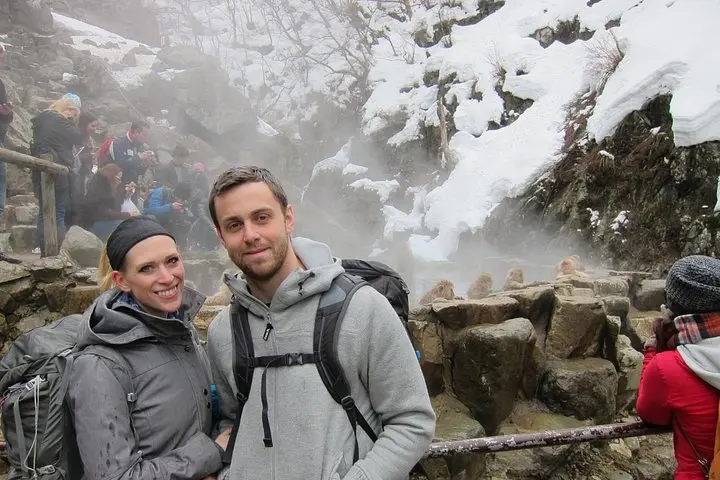
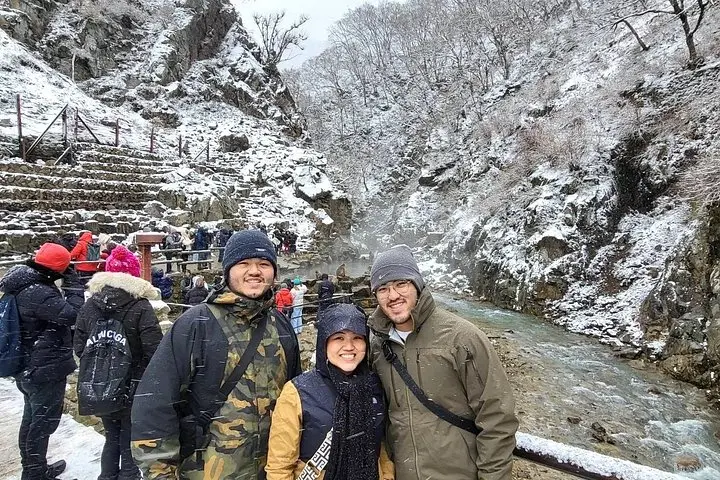
The trail opens beneath a tight stand of conifers; steam threads up through the valley and the river seems to dare you to follow. Within thirty minutes a wooden boardwalk crests a bend and, often in winter, a cluster of Japanese macaques lounges in a steaming pool — their breath condensing in the cold air while quiet tourists watch from the path.
The trail opens beneath a tight stand of conifers; steam threads up through the valley and the river seems to dare you to follow. Within thirty minutes a wooden boardwalk crests a bend and, often in winter, a cluster of Japanese macaques lounges in a steaming pool — their breath condensing in the cold air while quiet tourists watch from the path.
Jigokudani Yaen-koen sits in a volcanic hollow carved by hot springs and icy streams. The park's nickname, “Hell Valley,” comes from the hissing fumaroles and steep cliffs that frame the Yokoyu River. The monkeys' habit of soaking was widely publicized in the 1970 Life magazine spread and interest surged again around the 1998 Nagano Winter Olympics, when international visitors first discovered these habituated but wild animals.
Locally, Yudanaka and nearby Shibu Onsen are small onsen towns where footbaths and apple-pie cafés settle the traveler after a cold walk. Geologically, you’re walking over volcanic groundwater heated by the Itoigawa-Shizuoka Tectonic Line, so mineral-rich springs and sudden steam vents are part of the landscape’s personality.
Practical guidance: tours typically run 3–4 hours total; expect 20–40 minutes of walking on uneven, sometimes icy boardwalks. Stay on designated paths, keep cameras quiet, and never feed or corner monkeys — they are wild animals and will react. Dress in layers, choose grippy footwear, and plan mornings for softer light and more active macaques. The experience is equal parts wildlife viewing and a short, atmospheric mountain walk.