THE ADVENTURE COLLECTIVE® · Independent discovery and booking for outdoor travel

Set out before sunrise on a four‑hour guided jeep safari through Jim Corbett National Park. Expect riverine forests, Terai grasslands, and a real chance to see Bengal tigers, elephants, leopards, and an impressive bird list — all led by experienced local guides.
Set out before sunrise on a four‑hour guided jeep safari through Jim Corbett National Park. Expect riverine forests, Terai grasslands, and a real chance to see Bengal tigers, elephants, leopards, and an impressive bird list — all led by experienced local guides.
The jeep rumbles before dawn through the Shivalik foothills; mist peels away from the tall elephant grass and a river calls from a distance, daring you to look up. In a Corbett jeep, every crest and dry riverbed can reveal a sudden silhouette — sambar lifting its head, langur alarm-calling, or the flash of a tiger’s flank.
Verified experiences and guided adventures in the surrounding area.
Operated by Corbett Vacations · Ramnagar, Uttarakhand
The jeep rumbles before dawn through the Shivalik foothills; mist peels away from the tall elephant grass and a river calls from a distance, daring you to look up. In a Corbett jeep, every crest and dry riverbed can reveal a sudden silhouette — sambar lifting its head, langur alarm-calling, or the flash of a tiger’s flank.
Jim Corbett National Park sits on the lower Himalaya’s southern edge where sandstone ridges meet Terai grasslands. Created in 1936 as India’s first national park and later renamed for hunter‑turned‑conservationist Jim Corbett, the park protects riverine forests, sal stands, and the Ramganga river which carves life through the landscape. The local Kumaoni culture is visible in nearby Ramnagar and in small riverside temples; Corbett’s old bungalow-turned-museum at Kaladhungi adds human history to the wild.
On a typical four‑hour guided jeep safari visitors can expect off‑track drives along buffed dirt roads, stops for birding and tracking, and interpretive commentary on animal behavior and habitat. Guides hold permits and know the best ranges for elephant, leopard, and—if luck and timing align—Bengal tiger sightings. Wildlife activity peaks at dawn and dusk; mid‑day is quieter and hotter.
Practical notes: carry binoculars, a camera with a telephoto lens, water, and layered clothing for early chills. Respect park rules: stay in the vehicle, follow the guide’s instructions, and avoid sudden noises or flash photography near animals. Book morning slots for higher sighting odds; monsoon months restrict access and reduce visibility.
This jeep safari balances comfort with raw encounter potential — an accessible, vehicle‑based immersion into one of India’s most storied wild places.
Early morning and late afternoon drives between October and June generally yield the most activity; monsoon months reduce access and sighting odds.
Permits and guide fees are typically included with guided jeep safaris, but confirm at booking and carry ID for checkpoint checks.
Yes — the drive is vehicle‑based and suitable for most ages, though those with serious heart conditions should avoid bumpy rides.
No — for safety and park rules you should only exit the vehicle at designated stops and when instructed by the guide.
Corbett Vacations operates guided outdoor trips and adventures with an emphasis on safety, stewardship, and memorable experiences.
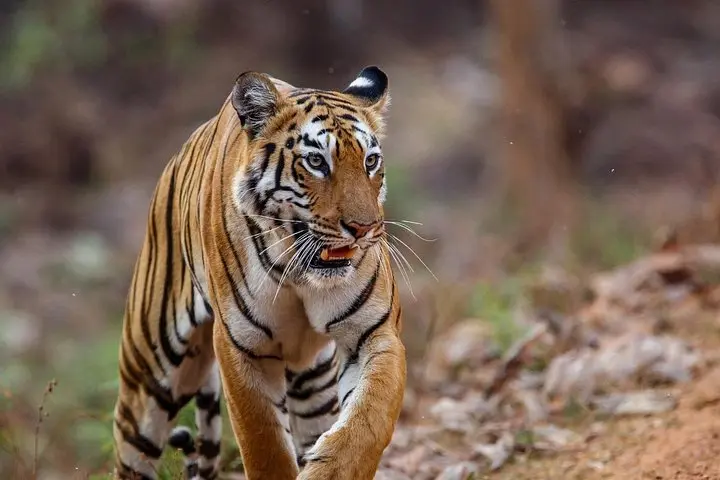
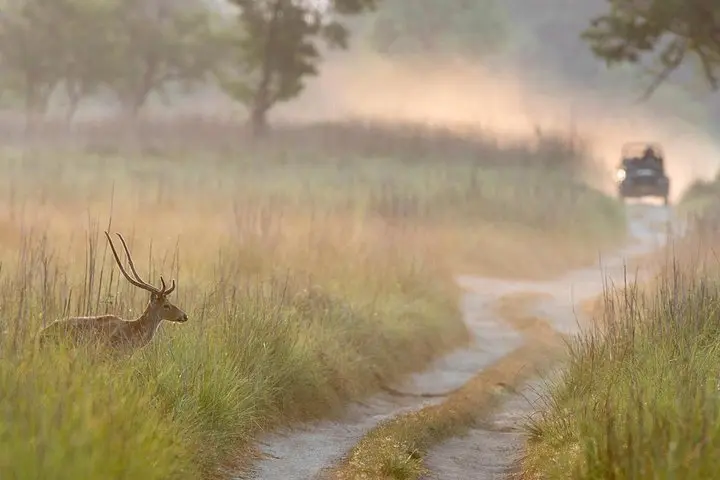
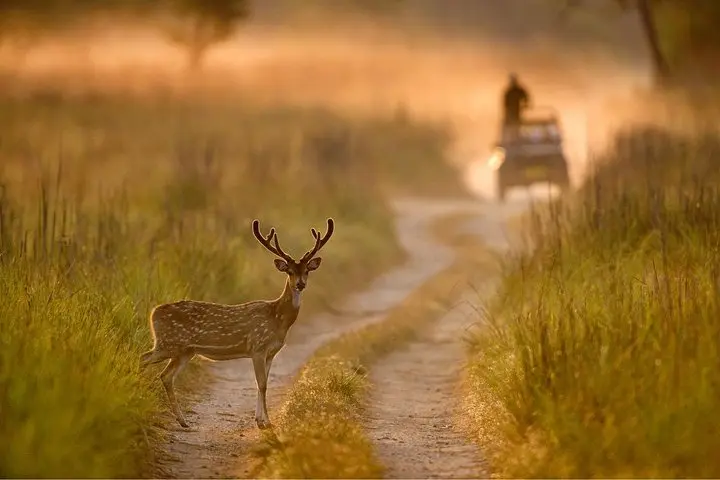
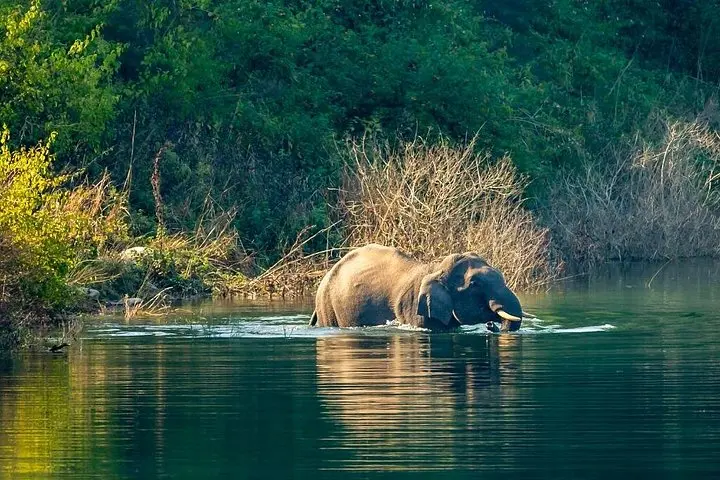
The jeep rumbles before dawn through the Shivalik foothills; mist peels away from the tall elephant grass and a river calls from a distance, daring you to look up. In a Corbett jeep, every crest and dry riverbed can reveal a sudden silhouette — sambar lifting its head, langur alarm-calling, or the flash of a tiger’s flank.
The jeep rumbles before dawn through the Shivalik foothills; mist peels away from the tall elephant grass and a river calls from a distance, daring you to look up. In a Corbett jeep, every crest and dry riverbed can reveal a sudden silhouette — sambar lifting its head, langur alarm-calling, or the flash of a tiger’s flank.
Jim Corbett National Park sits on the lower Himalaya’s southern edge where sandstone ridges meet Terai grasslands. Created in 1936 as India’s first national park and later renamed for hunter‑turned‑conservationist Jim Corbett, the park protects riverine forests, sal stands, and the Ramganga river which carves life through the landscape. The local Kumaoni culture is visible in nearby Ramnagar and in small riverside temples; Corbett’s old bungalow-turned-museum at Kaladhungi adds human history to the wild.
On a typical four‑hour guided jeep safari visitors can expect off‑track drives along buffed dirt roads, stops for birding and tracking, and interpretive commentary on animal behavior and habitat. Guides hold permits and know the best ranges for elephant, leopard, and—if luck and timing align—Bengal tiger sightings. Wildlife activity peaks at dawn and dusk; mid‑day is quieter and hotter.
Practical notes: carry binoculars, a camera with a telephoto lens, water, and layered clothing for early chills. Respect park rules: stay in the vehicle, follow the guide’s instructions, and avoid sudden noises or flash photography near animals. Book morning slots for higher sighting odds; monsoon months restrict access and reduce visibility.
This jeep safari balances comfort with raw encounter potential — an accessible, vehicle‑based immersion into one of India’s most storied wild places.