THE ADVENTURE COLLECTIVE® · Independent discovery and booking for outdoor travel

Spend a full day from Kampala to Jinja visiting Sezibwa Falls, Mabira Forest, tea plantations at Lugazi, the Nile bridge and a boat ride at the Source of the Nile. This compact nature-and-history loop blends easy walks, birdwatching and local culture.
Spend a full day from Kampala to Jinja visiting Sezibwa Falls, Mabira Forest, tea plantations at Lugazi, the Nile bridge and a boat ride at the Source of the Nile. This compact nature-and-history loop blends easy walks, birdwatching and local culture.
The morning air in Eastern Uganda feels like a promise: humid, green, and edged with the distant rush of water. Leaving Kampala, the road unfurls through tea farms and sugar estates, then dips into the shade of Mabira Forest. By midday you’re standing on the banks where the Nile leaves Lake Victoria — boats bobbing, pelicans wheeling, and a small monument to John Hanning Speke marking a 19th‑century claim that still draws curious travelers.
Verified experiences and guided adventures in the surrounding area.
Operated by TWIJA AFRICA SAFARIS · Jinja, Jinja District
The morning air in Eastern Uganda feels like a promise: humid, green, and edged with the distant rush of water. Leaving Kampala, the road unfurls through tea farms and sugar estates, then dips into the shade of Mabira Forest. By midday you’re standing on the banks where the Nile leaves Lake Victoria — boats bobbing, pelicans wheeling, and a small monument to John Hanning Speke marking a 19th‑century claim that still draws curious travelers.
This day trip stitches together geology, culture and colonial history. Sezibwa Falls is a 100‑foot curtain of water shaped by ancient schist and gneiss; the Baganda attach creation stories and rituals to its pools. Mabira Forest is a remnant of Uganda’s lowland rainforest, where tall mahoganies shelter turacos and colobus monkeys. Lugazi’s tea and sugar plantations illustrate the region’s economic backbone, while the Nile bridge at Jinja frames modern trade and ferry traffic.
Expect short, easy walks at viewpoints, a calm 45–60 minute boat ride at the Nile source, and several photo stops. Practicalities matter: wear grippy shoes for uneven forest trails, bring insect repellent, and keep modest cash for market purchases. Plan for a full day—roughly nine hours—with hotel pickup and drop‑off from Kampala often included.
For photographers and nature lovers this is a concentrated taste of Uganda: riverine birds daring you to slow down, forest trails that push you into shade, and history that keeps one foot in exploration. Time your visit to avoid heavy rains and you’ll have clearer water, smoother roads, and a quieter boat ride.
The tour runs about 9–10 hours (pickup from Kampala possible); common inclusions are lunch, hotel pickup/drop‑off and a professional English-speaking driver‑guide—confirm specific admissions at booking.
Yes—the itinerary is generally suitable for most ages with light walking, but those with serious mobility or heart issues should check accessibility for specific stops.
Swimming is not typically part of the standard tour; river currents and cultural sensitivities make it unsafe in many spots—ask your guide about permitted areas.
Carry Ugandan shillings (UGX) for markets and small purchases; tipping guides and drivers 5–10% or a small token in UGX is appreciated.
TWIJA AFRICA SAFARIS operates guided outdoor trips and adventures with an emphasis on safety, stewardship, and memorable experiences.
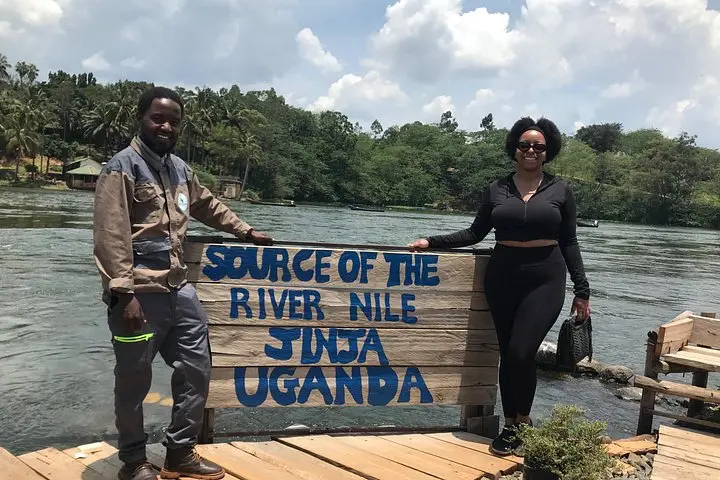



The morning air in Eastern Uganda feels like a promise: humid, green, and edged with the distant rush of water. Leaving Kampala, the road unfurls through tea farms and sugar estates, then dips into the shade of Mabira Forest. By midday you’re standing on the banks where the Nile leaves Lake Victoria — boats bobbing, pelicans wheeling, and a small monument to John Hanning Speke marking a 19th‑century claim that still draws curious travelers.
The morning air in Eastern Uganda feels like a promise: humid, green, and edged with the distant rush of water. Leaving Kampala, the road unfurls through tea farms and sugar estates, then dips into the shade of Mabira Forest. By midday you’re standing on the banks where the Nile leaves Lake Victoria — boats bobbing, pelicans wheeling, and a small monument to John Hanning Speke marking a 19th‑century claim that still draws curious travelers.
This day trip stitches together geology, culture and colonial history. Sezibwa Falls is a 100‑foot curtain of water shaped by ancient schist and gneiss; the Baganda attach creation stories and rituals to its pools. Mabira Forest is a remnant of Uganda’s lowland rainforest, where tall mahoganies shelter turacos and colobus monkeys. Lugazi’s tea and sugar plantations illustrate the region’s economic backbone, while the Nile bridge at Jinja frames modern trade and ferry traffic.
Expect short, easy walks at viewpoints, a calm 45–60 minute boat ride at the Nile source, and several photo stops. Practicalities matter: wear grippy shoes for uneven forest trails, bring insect repellent, and keep modest cash for market purchases. Plan for a full day—roughly nine hours—with hotel pickup and drop‑off from Kampala often included.
For photographers and nature lovers this is a concentrated taste of Uganda: riverine birds daring you to slow down, forest trails that push you into shade, and history that keeps one foot in exploration. Time your visit to avoid heavy rains and you’ll have clearer water, smoother roads, and a quieter boat ride.