THE ADVENTURE COLLECTIVE® · Independent discovery and booking for outdoor travel

Spend a full day from Kampala exploring Sezibwa Falls, walking Mabira Forest and cruising to the Speke Memorial where the Nile leaves Lake Victoria. This practical day tour combines easy hikes, wildlife spotting, and a riverside city tour with lunch included.
Spend a full day from Kampala exploring Sezibwa Falls, walking Mabira Forest and cruising to the Speke Memorial where the Nile leaves Lake Victoria. This practical day tour combines easy hikes, wildlife spotting, and a riverside city tour with lunch included.
You arrive in Jinja with the river’s energy in the air: the Nile’s upper reaches push past bridge piers and small fishing skiffs, while roadside markets blur into a mosaic of spices and fresh fruit. The day tour moves with that momentum—short hikes to Sezibwa Falls, a forested pause in Mabira, and a boat ride that brings you to the Speke Memorial where explorers first marked the Nile’s outlet from Lake Victoria.
Verified experiences and guided adventures in the surrounding area.
Operated by All Seasons Adventures UG · Jinja, Eastern Region
You arrive in Jinja with the river’s energy in the air: the Nile’s upper reaches push past bridge piers and small fishing skiffs, while roadside markets blur into a mosaic of spices and fresh fruit. The day tour moves with that momentum—short hikes to Sezibwa Falls, a forested pause in Mabira, and a boat ride that brings you to the Speke Memorial where explorers first marked the Nile’s outlet from Lake Victoria.
Sezibwa Falls is both geological feature and cultural place: twin streams carve basalt bedrock and drop into a green plunge pool, a site long tied to Baganda oral history. Mabira Forest offers older geology—ancient soils and a canopy that supports hundreds of bird and butterfly species—while Jinja’s riverside bridge and industrial-period buildings tell the town’s 20th-century trade story.
Practically, expect a full 6–8 hour day with mostly easy walking on maintained trails and short uneven sections at the falls. The boat leg is calm but can be breezy; binoculars reward patient watchers looking for kingfishers and African fish eagles. Local meals include staple matoke, grilled fish and fresh greens—simple, filling fuel.
Timing matters: start early to catch cooler air at the falls and quieter wildlife in Mabira. Wear sturdy shoes that can handle muddy patches, carry water and a light rain layer during the wet months, and bring insect repellent. Guides handle transport and logistics, leaving visitors to focus on the landscape: waterfalls daring you forward, forest shade slowing your pace, and the Nile’s long story stretching toward the horizon.
The tour runs about 6–8 hours with a mix of short hikes (30–60 minutes at sites), a midday lunch in Jinja, and a 1–2 hour boat segment to the Speke Memorial.
Lunch is included; the menu features local dishes and can usually accommodate common dietary needs with advance notice—flag restrictions when booking.
Yes, boats are routinely used for the short crossing; life jackets are provided and crew are experienced, but non-swimmers should remain seated during transit.
Trails are generally easy but include uneven steps and wet rock sections—families and older travelers should take care and can request a gentler pace.
All Seasons Adventures UG operates guided outdoor trips and adventures with an emphasis on safety, stewardship, and memorable experiences.
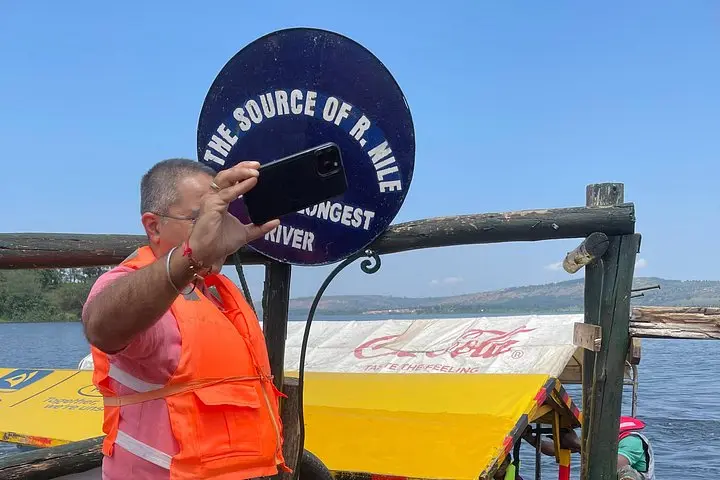
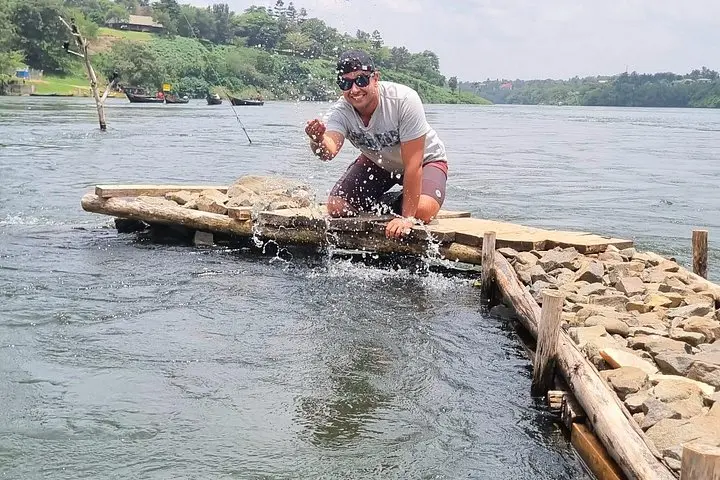
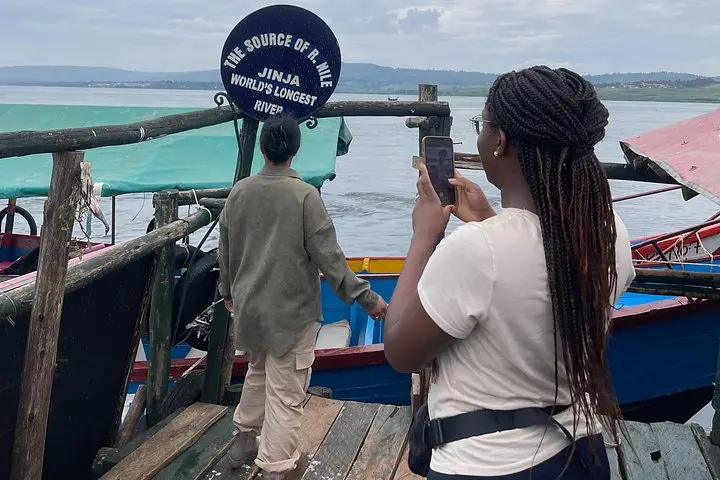

You arrive in Jinja with the river’s energy in the air: the Nile’s upper reaches push past bridge piers and small fishing skiffs, while roadside markets blur into a mosaic of spices and fresh fruit. The day tour moves with that momentum—short hikes to Sezibwa Falls, a forested pause in Mabira, and a boat ride that brings you to the Speke Memorial where explorers first marked the Nile’s outlet from Lake Victoria.
You arrive in Jinja with the river’s energy in the air: the Nile’s upper reaches push past bridge piers and small fishing skiffs, while roadside markets blur into a mosaic of spices and fresh fruit. The day tour moves with that momentum—short hikes to Sezibwa Falls, a forested pause in Mabira, and a boat ride that brings you to the Speke Memorial where explorers first marked the Nile’s outlet from Lake Victoria.
Sezibwa Falls is both geological feature and cultural place: twin streams carve basalt bedrock and drop into a green plunge pool, a site long tied to Baganda oral history. Mabira Forest offers older geology—ancient soils and a canopy that supports hundreds of bird and butterfly species—while Jinja’s riverside bridge and industrial-period buildings tell the town’s 20th-century trade story.
Practically, expect a full 6–8 hour day with mostly easy walking on maintained trails and short uneven sections at the falls. The boat leg is calm but can be breezy; binoculars reward patient watchers looking for kingfishers and African fish eagles. Local meals include staple matoke, grilled fish and fresh greens—simple, filling fuel.
Timing matters: start early to catch cooler air at the falls and quieter wildlife in Mabira. Wear sturdy shoes that can handle muddy patches, carry water and a light rain layer during the wet months, and bring insect repellent. Guides handle transport and logistics, leaving visitors to focus on the landscape: waterfalls daring you forward, forest shade slowing your pace, and the Nile’s long story stretching toward the horizon.