THE ADVENTURE COLLECTIVE® · Independent discovery and booking for outdoor travel

A compact day trip from Kampala that combines a walk in Mabira Forest with a visit to the point where the Nile begins its northward journey. Ideal for travelers wanting river history, light wildlife viewing, and a taste of Jinja’s riverside life.
A compact day trip from Kampala that combines a walk in Mabira Forest with a visit to the point where the Nile begins its northward journey. Ideal for travelers wanting river history, light wildlife viewing, and a taste of Jinja’s riverside life.
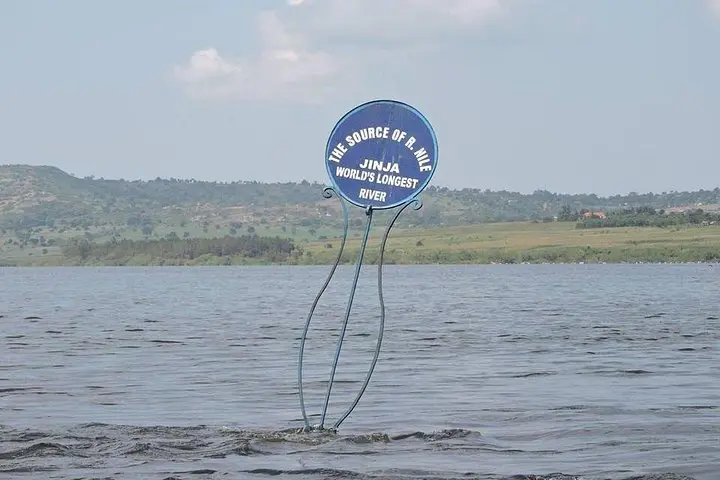
A minivan eases out of Kampala before sunrise and the road unwinds east toward the place where Africa’s longest river first takes its breath. At the water’s lip the Nile dares you to stand still: a broad current pushing north from the edge of Lake Victoria, rimmed by boat traffic and palms.
Verified experiences and guided adventures in the surrounding area.
Operated by East African Jungle Safaris ltd · Jinja, Jinja District
A minivan eases out of Kampala before sunrise and the road unwinds east toward the place where Africa’s longest river first takes its breath. At the water’s lip the Nile dares you to stand still: a broad current pushing north from the edge of Lake Victoria, rimmed by boat traffic and palms.
This one-day tour threads two contrasting landscapes—Mabira, a remnant tropical forest with damp understory and bird calls, and the engineered river gateway at Jinja where the Nile issues from the lake. The site is linked to 19th-century exploration (John Hanning Speke is often cited in European accounts for identifying the Nile’s source) and to Uganda’s later hydroelectric projects that shaped the town’s role in regional trade and industry.
Geologically the spot is the lake’s outflow, controlled by bedrock, historic falls, and modern riverworks; ecologically it’s a transition zone where forest species meet freshwater habitat. Local culture around Jinja carries a working-river character—fishing, small markets, and riverside cafés.
Practical note: the day is mostly driving with short walks on uneven, sometimes muddy ground; expect 6–8 hours on the road, with a lunch stop included. Bring insect repellent, sturdy shoes, sun protection, and local currency for small purchases. Morning light is best for photos and bird activity; afternoons are warmer and can be busier. The tour is suitable for most travelers and offers a compact, informative look at the Nile’s beginnings and Jinja’s riverfront character.
About 6–8 hours round-trip from Kampala; includes pickup/drop-off, guide/driver, bottled water, and a 3-course lunch as listed.
The operator notes wheelchair accessibility for parts of the tour, but terrain at river edges can be uneven—check specific accessibility needs before booking.
Yes; the itinerary is family-friendly, but children should be supervised around water and on forest trails.
A current valid passport is required on the day of travel, per booking requirements.
East African Jungle Safaris ltd operates guided outdoor trips and adventures with an emphasis on safety, stewardship, and memorable experiences.
A minivan eases out of Kampala before sunrise and the road unwinds east toward the place where Africa’s longest river first takes its breath. At the water’s lip the Nile dares you to stand still: a broad current pushing north from the edge of Lake Victoria, rimmed by boat traffic and palms.
A minivan eases out of Kampala before sunrise and the road unwinds east toward the place where Africa’s longest river first takes its breath. At the water’s lip the Nile dares you to stand still: a broad current pushing north from the edge of Lake Victoria, rimmed by boat traffic and palms.
This one-day tour threads two contrasting landscapes—Mabira, a remnant tropical forest with damp understory and bird calls, and the engineered river gateway at Jinja where the Nile issues from the lake. The site is linked to 19th-century exploration (John Hanning Speke is often cited in European accounts for identifying the Nile’s source) and to Uganda’s later hydroelectric projects that shaped the town’s role in regional trade and industry.
Geologically the spot is the lake’s outflow, controlled by bedrock, historic falls, and modern riverworks; ecologically it’s a transition zone where forest species meet freshwater habitat. Local culture around Jinja carries a working-river character—fishing, small markets, and riverside cafés.
Practical note: the day is mostly driving with short walks on uneven, sometimes muddy ground; expect 6–8 hours on the road, with a lunch stop included. Bring insect repellent, sturdy shoes, sun protection, and local currency for small purchases. Morning light is best for photos and bird activity; afternoons are warmer and can be busier. The tour is suitable for most travelers and offers a compact, informative look at the Nile’s beginnings and Jinja’s riverfront character.