THE ADVENTURE COLLECTIVE® · Independent discovery and booking for outdoor travel

Two days of riverborne adrenaline and cultural stops east of Kampala. Combine a Mabira forest walk and the Source of the Nile with a full day of guided whitewater rafting on the Nile’s tumbling rapids.
Two days of riverborne adrenaline and cultural stops east of Kampala. Combine a Mabira forest walk and the Source of the Nile with a full day of guided whitewater rafting on the Nile’s tumbling rapids.
The river announces itself before you see it: a low thunder that grows as the road drops toward Jinja. On day one the air is thick with green — Mabira Forest’s canopy filtering morning light, sugarcane fields flashing like green-white ribbons, and the Nile’s first rushs visible where Bujagali still carves rocks into froth.
Verified experiences and guided adventures in the surrounding area.
Operated by All in Africa Safaris · Jinja, Eastern Region
The river announces itself before you see it: a low thunder that grows as the road drops toward Jinja. On day one the air is thick with green — Mabira Forest’s canopy filtering morning light, sugarcane fields flashing like green-white ribbons, and the Nile’s first rushs visible where Bujagali still carves rocks into froth.
This two-day itinerary pairs a cultural route through Busoga country with the raw pull of Africa’s longest river. Jinja, established in 1907 on Lake Victoria’s northern shore, grew as a trading and hydro hub; geology here is dominated by Precambrian rocks and the broad outflow from Victoria that becomes the Nile. Local guides weave in stories of fishing communities and the river’s role in colonial and post‑independence development.
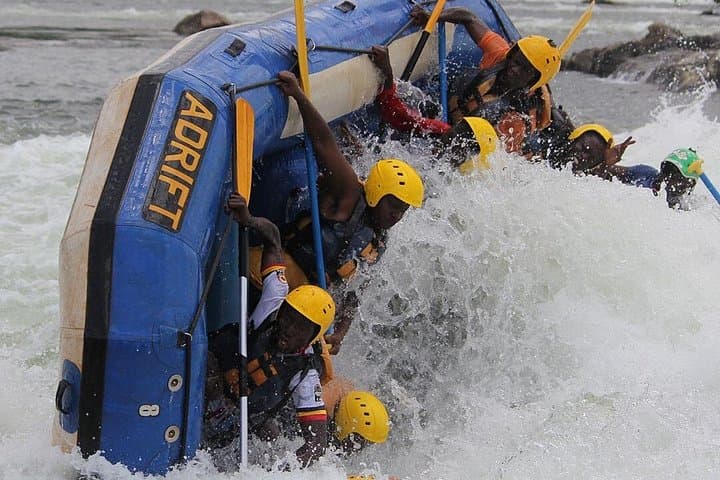
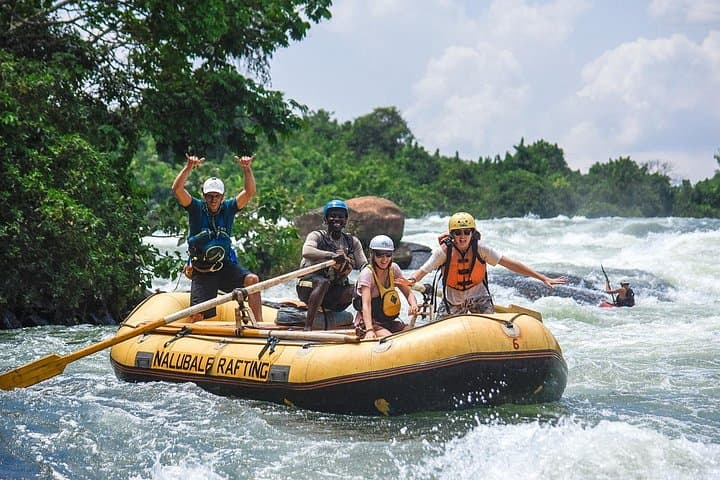
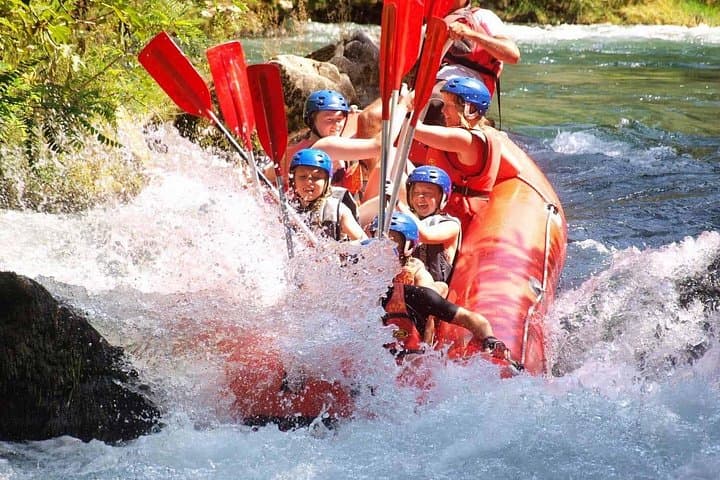
Expect a morning nature walk at Sezibwa Falls and a walk through Mabira, where monkeys and hornbills are common, before visiting the Source of the Nile by boat and Samuka Island’s birdlife. Day two is rafting: technical rapids, sustained paddling, and short scouting sections that demand teamwork and alertness. The guides run safety briefings, and gear is provided, but the river will still test endurance.
Practical edge: arrive hydrated, sleep well the night before, and pack a bag that keeps valuables bone-dry. Timing matters — mornings are calmer for wildlife and boat trips; midday brings stronger sun. If you have back or heart issues, skip the raft; otherwise, be ready for a two-day burst of nature, culture, and sustained river adrenaline.
No prior experience is required; guides provide instruction, but you should be comfortable in moving water and able to follow commands.
Operators typically set minimum ages and advise against participation for pregnant guests or those with serious heart or spinal conditions; disclose health issues at booking.
Expect several hours on the water with briefing, multiple rapids, and breaks — the active rafting portion is roughly 3–5 hours depending on river level.
Yes — the tour includes private transport, breakfasts, lunches, and dinner on the first day, plus hotel overnight and return to Kampala.
All in Africa Safaris operates guided outdoor trips and adventures with an emphasis on safety, stewardship, and memorable experiences.

The river announces itself before you see it: a low thunder that grows as the road drops toward Jinja. On day one the air is thick with green — Mabira Forest’s canopy filtering morning light, sugarcane fields flashing like green-white ribbons, and the Nile’s first rushs visible where Bujagali still carves rocks into froth.
The river announces itself before you see it: a low thunder that grows as the road drops toward Jinja. On day one the air is thick with green — Mabira Forest’s canopy filtering morning light, sugarcane fields flashing like green-white ribbons, and the Nile’s first rushs visible where Bujagali still carves rocks into froth.
This two-day itinerary pairs a cultural route through Busoga country with the raw pull of Africa’s longest river. Jinja, established in 1907 on Lake Victoria’s northern shore, grew as a trading and hydro hub; geology here is dominated by Precambrian rocks and the broad outflow from Victoria that becomes the Nile. Local guides weave in stories of fishing communities and the river’s role in colonial and post‑independence development.
Expect a morning nature walk at Sezibwa Falls and a walk through Mabira, where monkeys and hornbills are common, before visiting the Source of the Nile by boat and Samuka Island’s birdlife. Day two is rafting: technical rapids, sustained paddling, and short scouting sections that demand teamwork and alertness. The guides run safety briefings, and gear is provided, but the river will still test endurance.
Practical edge: arrive hydrated, sleep well the night before, and pack a bag that keeps valuables bone-dry. Timing matters — mornings are calmer for wildlife and boat trips; midday brings stronger sun. If you have back or heart issues, skip the raft; otherwise, be ready for a two-day burst of nature, culture, and sustained river adrenaline.