THE ADVENTURE COLLECTIVE® · Independent discovery and booking for outdoor travel

Hike 6 km of the raw, unrestored Jinshanling section on a full-day trip from Beijing. Expect rough stone steps, dramatic watchtowers and uninterrupted mountain views with guide-led transfers and entrance included.
Hike 6 km of the raw, unrestored Jinshanling section on a full-day trip from Beijing. Expect rough stone steps, dramatic watchtowers and uninterrupted mountain views with guide-led transfers and entrance included.
A morning bus eases out of Beijing and the air thins into serrated ridgelines. By the time the coach drops hikers at the Jinshanling parking, the Great Wall rises from the ridge as a long, weathered spine—stones asking you to climb, towers watching the valley below. The trail runs along unrestored stretches where masonry is rough, stairs are uneven, and views open eastward toward Simatai.
Verified experiences and guided adventures in the surrounding area.
Operated by China Pleasure Tour Co,. Ltd. · Luanping, Hebei
A morning bus eases out of Beijing and the air thins into serrated ridgelines. By the time the coach drops hikers at the Jinshanling parking, the Great Wall rises from the ridge as a long, weathered spine—stones asking you to climb, towers watching the valley below. The trail runs along unrestored stretches where masonry is rough, stairs are uneven, and views open eastward toward Simatai.
Jinshanling is largely Ming-dynasty construction, built as part of a military artery that linked key passes. Geologically, the wall follows granite ridges carved by glaciers and rivers; the stonework adapts to steep, rocky slopes. Local villages beneath the wall keep simple mountain agriculture and a handful of family-run teahouses that serve steamed buns and strong tea.
Expect about 6 km of wall walking and 3–4 hours of steady hiking on cobbled steps, ruined battlements and narrow crenellations. The route is visually rewarding: clustered watchtowers, angled parapets, and ruined stretches that feel genuinely remote. Sun, wind, and occasional sharp drops shape the day; the wall almost dares you forward while the ridge pushes your pace.
Practical notes: bring sturdy footwear, layered clothing for wind and sun, and at least 2 liters of water. The tour includes entrance fees, guide, lunch stop and round-trip Beijing transport, but plan for uneven footing and security checks requiring passports. Start early to avoid crowds, protect exposed skin, and allow time for photography at the eastern viewpoints where the wall connects to Simatai.
The walking segment is about 6 km and typically takes 3–4 hours depending on pace and stops.
Round-trip transport from Beijing, an English-speaking guide, Jinshanling entrance fee, and a lunch stop are included; some snacks and personal purchases are not.
Travelers should have moderate to good fitness; uneven, steep sections make it less suitable for true beginners or those with mobility issues.
Jinshanling connects toward Simatai and Gubeikou, but extensions depend on access and timing—ask the guide or operator in advance.
China Pleasure Tour Co,. Ltd. operates guided outdoor trips and adventures with an emphasis on safety, stewardship, and memorable experiences.
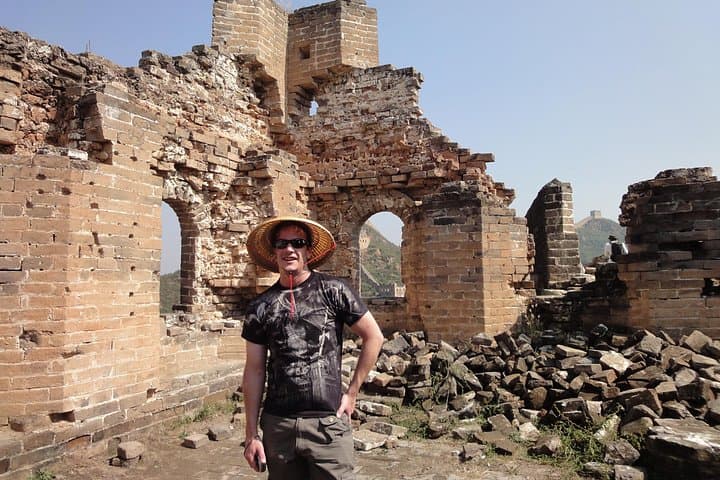
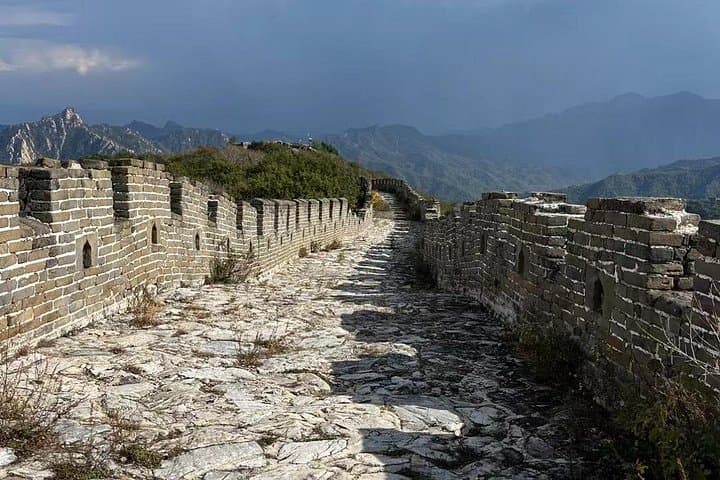
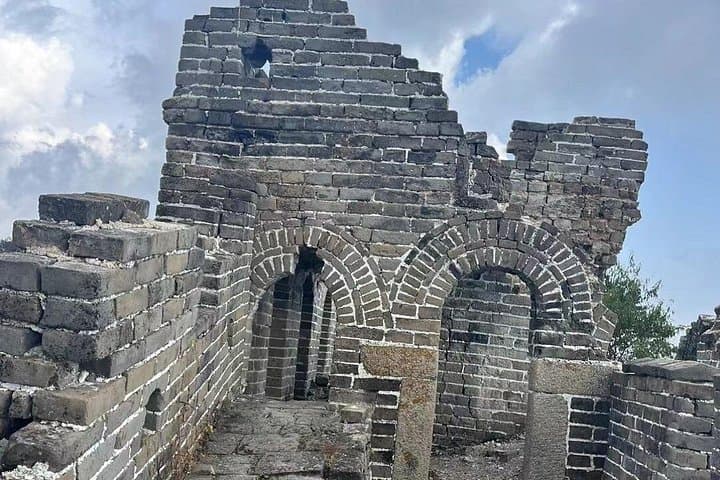

A morning bus eases out of Beijing and the air thins into serrated ridgelines. By the time the coach drops hikers at the Jinshanling parking, the Great Wall rises from the ridge as a long, weathered spine—stones asking you to climb, towers watching the valley below. The trail runs along unrestored stretches where masonry is rough, stairs are uneven, and views open eastward toward Simatai.
A morning bus eases out of Beijing and the air thins into serrated ridgelines. By the time the coach drops hikers at the Jinshanling parking, the Great Wall rises from the ridge as a long, weathered spine—stones asking you to climb, towers watching the valley below. The trail runs along unrestored stretches where masonry is rough, stairs are uneven, and views open eastward toward Simatai.
Jinshanling is largely Ming-dynasty construction, built as part of a military artery that linked key passes. Geologically, the wall follows granite ridges carved by glaciers and rivers; the stonework adapts to steep, rocky slopes. Local villages beneath the wall keep simple mountain agriculture and a handful of family-run teahouses that serve steamed buns and strong tea.
Expect about 6 km of wall walking and 3–4 hours of steady hiking on cobbled steps, ruined battlements and narrow crenellations. The route is visually rewarding: clustered watchtowers, angled parapets, and ruined stretches that feel genuinely remote. Sun, wind, and occasional sharp drops shape the day; the wall almost dares you forward while the ridge pushes your pace.
Practical notes: bring sturdy footwear, layered clothing for wind and sun, and at least 2 liters of water. The tour includes entrance fees, guide, lunch stop and round-trip Beijing transport, but plan for uneven footing and security checks requiring passports. Start early to avoid crowds, protect exposed skin, and allow time for photography at the eastern viewpoints where the wall connects to Simatai.