THE ADVENTURE COLLECTIVE® · Independent discovery and booking for outdoor travel

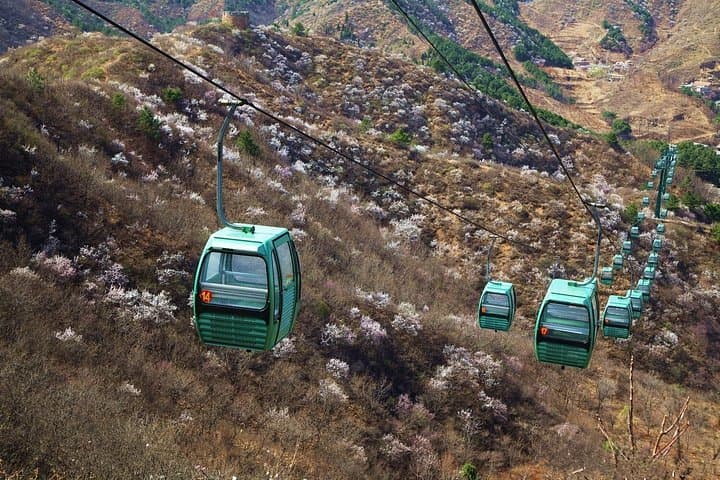
Escape the crowds on a private day trip from Beijing to Jinshanling, where restored and wild stretches of Ming-era wall weave over rugged ridgelines. This 8‑hour outing includes a cable car (seasonal), up to four hours on the battlements, and dramatic mountain views.
Escape the crowds on a private day trip from Beijing to Jinshanling, where restored and wild stretches of Ming-era wall weave over rugged ridgelines. This 8‑hour outing includes a cable car (seasonal), up to four hours on the battlements, and dramatic mountain views.
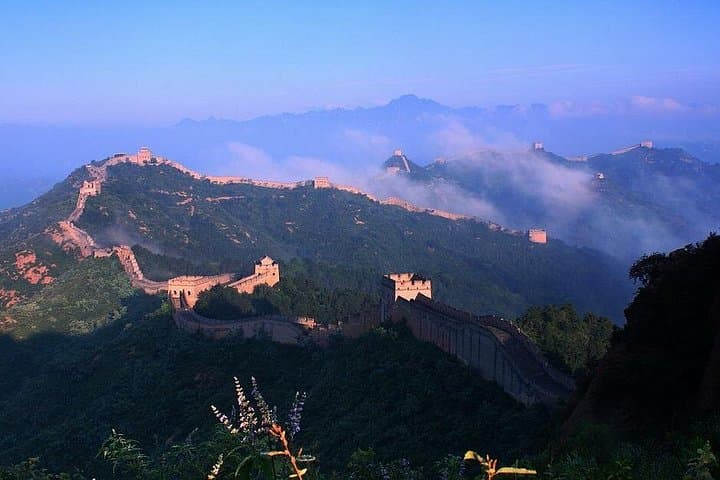
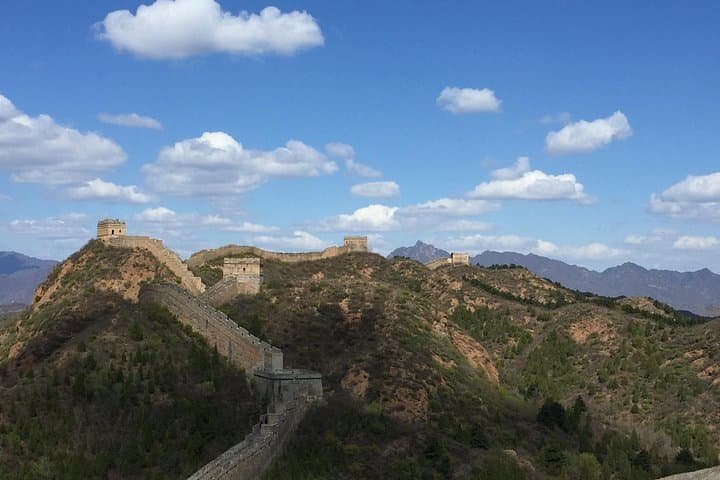
You step off the van onto a ridgeline wind that seems determined to push you toward the wall. Stones slope away beneath your boots; towers punctuate the horizon like watchful sentries. The Jinshanling section sits higher and quieter than Mutianyu, its restored and unrestored stretches alternating so that every turn offers a new perspective—crumbling crenellations one moment, neat stairways the next.
Verified experiences and guided adventures in the surrounding area.
Operated by Wikibeijing · Luanping, Hebei
You step off the van onto a ridgeline wind that seems determined to push you toward the wall. Stones slope away beneath your boots; towers punctuate the horizon like watchful sentries. The Jinshanling section sits higher and quieter than Mutianyu, its restored and unrestored stretches alternating so that every turn offers a new perspective—crumbling crenellations one moment, neat stairways the next.
Built and expanded by the Ming dynasty in the 16th century to guard approaches to Beijing, Jinshanling follows jagged granite ridgelines carved by ancient tectonic uplift. The route crosses exposed summits and sheltered forest gullies, reflecting both military purpose and local geology; watchtowers were sited on protruding spurs to maximize visibility. Local villagers in nearby Luanping historically supplied the garrisons and today small homestays and tea stalls preserve that roadside culture.
Expect 2–4 hours of walking on the wall itself depending on route choice—most private day tours include a 2.5-hour drive from Beijing, cable-car ascent (Apr–Oct), then up to four hours hiking along battlements. Terrain: uneven stone steps, steep pitches, some loose rubble on unrestored stretches. Elevation change varies by route (roughly 200–400 m), so prepare for sustained stair-climbing and exposed ridgelines.
Practical guidance: bring 1.5–2 L water, sturdy shoes with good grip, layered clothing for wind and sun, and a midday snack or packed lunch. If you aim for photography or sunrise, allow extra time and confirm cable-car schedules. A knowledgeable guide improves navigation and context—this is a historic walk more than a simple sightseeing stop.
Typical private transfers take about 2.5 hours each way, depending on traffic and pick-up location in Beijing.
The one-way cable car operates seasonally (usually April–October); outside those months expect to hike the ascent and descent.
Yes—bring your passport for entry to the Great Wall area and for hotel pickup/verification on some tours.
Hiking ranges from moderate to challenging depending on route: expect many steep stone steps, exposed sections, and 2–4 hours on the wall itself.
Wikibeijing operates guided outdoor trips and adventures with an emphasis on safety, stewardship, and memorable experiences.

You step off the van onto a ridgeline wind that seems determined to push you toward the wall. Stones slope away beneath your boots; towers punctuate the horizon like watchful sentries. The Jinshanling section sits higher and quieter than Mutianyu, its restored and unrestored stretches alternating so that every turn offers a new perspective—crumbling crenellations one moment, neat stairways the next.
You step off the van onto a ridgeline wind that seems determined to push you toward the wall. Stones slope away beneath your boots; towers punctuate the horizon like watchful sentries. The Jinshanling section sits higher and quieter than Mutianyu, its restored and unrestored stretches alternating so that every turn offers a new perspective—crumbling crenellations one moment, neat stairways the next.
Built and expanded by the Ming dynasty in the 16th century to guard approaches to Beijing, Jinshanling follows jagged granite ridgelines carved by ancient tectonic uplift. The route crosses exposed summits and sheltered forest gullies, reflecting both military purpose and local geology; watchtowers were sited on protruding spurs to maximize visibility. Local villagers in nearby Luanping historically supplied the garrisons and today small homestays and tea stalls preserve that roadside culture.
Expect 2–4 hours of walking on the wall itself depending on route choice—most private day tours include a 2.5-hour drive from Beijing, cable-car ascent (Apr–Oct), then up to four hours hiking along battlements. Terrain: uneven stone steps, steep pitches, some loose rubble on unrestored stretches. Elevation change varies by route (roughly 200–400 m), so prepare for sustained stair-climbing and exposed ridgelines.
Practical guidance: bring 1.5–2 L water, sturdy shoes with good grip, layered clothing for wind and sun, and a midday snack or packed lunch. If you aim for photography or sunrise, allow extra time and confirm cable-car schedules. A knowledgeable guide improves navigation and context—this is a historic walk more than a simple sightseeing stop.