THE ADVENTURE COLLECTIVE® · Independent discovery and booking for outdoor travel

Traverse quieter sections of the Ming Great Wall on a private hike from Jinshanling to Simatai West. Expect a 3-hour, 5–7 km trek across restored and original masonry with steep stone steps and dramatic ridge-top views.
Traverse quieter sections of the Ming Great Wall on a private hike from Jinshanling to Simatai West. Expect a 3-hour, 5–7 km trek across restored and original masonry with steep stone steps and dramatic ridge-top views.
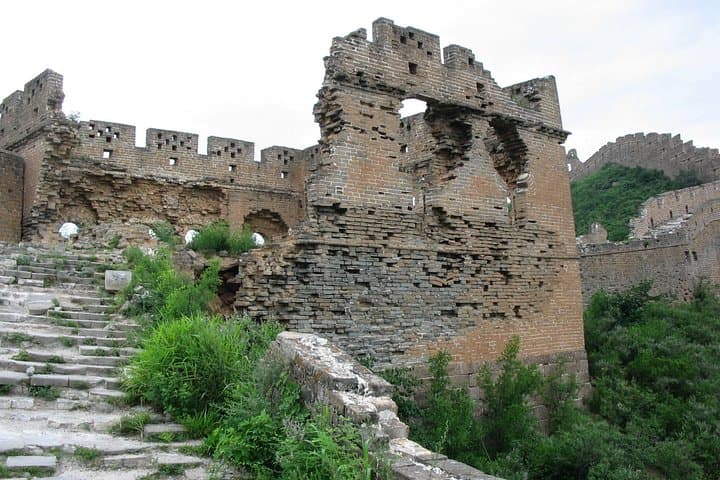
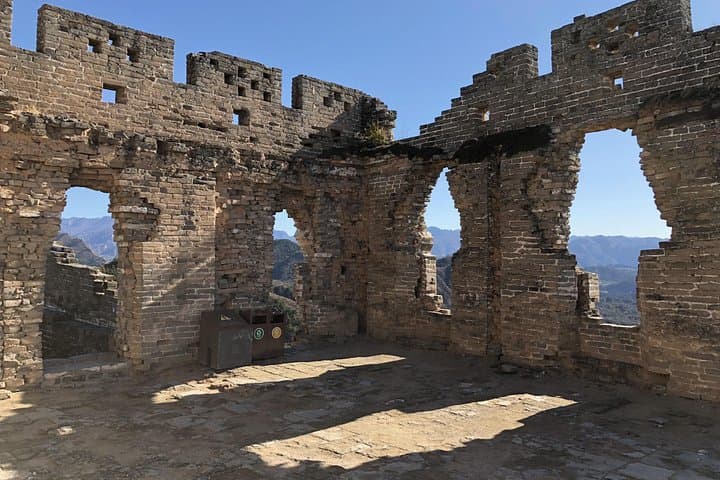
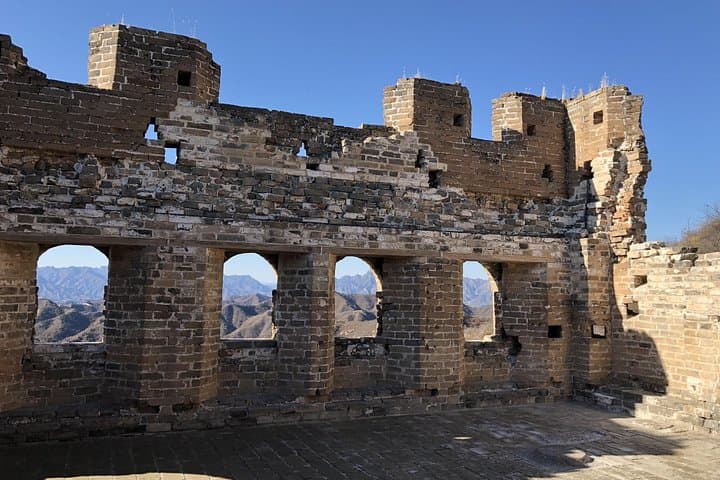
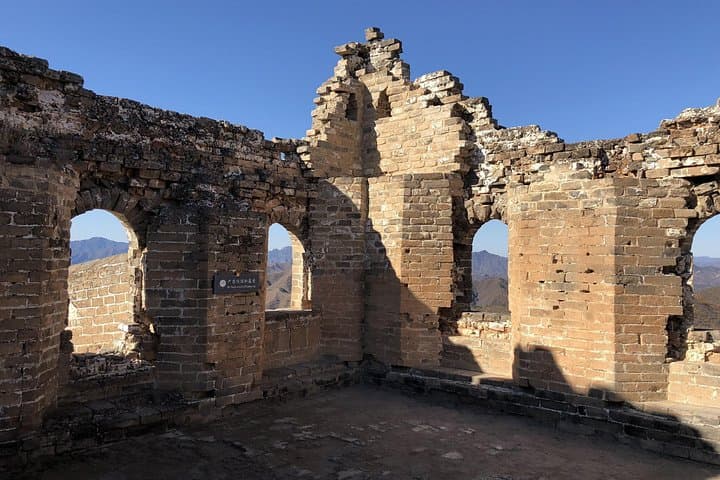
Dust from the road clears and the wall rises—stone ribs cutting across ridgelines, watchtowers standing like patient sentries. Starting at Jinshanling, the route alternates between carefully restored ramps and original, ragged crenellations as it follows the spine of the mountain toward Simatai West. Wind moves through the towers; birds wheel above and the rhythm of your steps measures the centuries.
Verified experiences and guided adventures in the surrounding area.
Operated by Ticketbeijing · Beijing, Beijing
Dust from the road clears and the wall rises—stone ribs cutting across ridgelines, watchtowers standing like patient sentries. Starting at Jinshanling, the route alternates between carefully restored ramps and original, ragged crenellations as it follows the spine of the mountain toward Simatai West. Wind moves through the towers; birds wheel above and the rhythm of your steps measures the centuries.
The Great Wall here dates to Ming dynasty fortifications, built and rebuilt to control passes and communication. Geologically, the ridge is granite and schist—solid underfoot except where centuries of weather have loosened blocks into steep, uneven steps. Local villages once supplied labor and stone, and you’ll pass towers that record both strategic design and local masonry styles.
Expect a mix of steep stone staircases, short scramble sections, and exposed traverses. The hike commonly covers roughly 5–7 km with 250–400 m cumulative elevation gain, completed in about three hours of walking. Guides point out inscriptions, restoration seams and differences between rebuilt sections and the original, crumbling masonry.
Practical notes: go early to avoid late-day haze and tour busses, wear grippy footwear for uneven stone, carry 1–2 liters of water, and be prepared for sun and wind. Terrain can be slick in wet weather and tiring on the knees on descents; trekking poles help. This private outing includes pickup from Beijing (within the 4th Ring Road), entrance tickets, and lunch—so bring layers, cash for small vendors, and a charged phone camera to capture the angles of towers and the wide valley views.
Most groups complete the designated segment in about 3 hours of walking, covering roughly 5–7 km depending on the exact start and end points.
Terrain is moderate: expect steep stone staircases, some uneven or crumbling stretches, and short exposed traverses—good balance and steady fitness are required.
Yes—this private tour includes entrance tickets to the Great Wall section and a midday lunch, plus hotel pickup within Beijing’s 4th Ring Road (additional fees may apply outside that area).
Not recommended for very young children, pregnant travelers, or people with significant cardiovascular issues due to steep steps and uneven footing.
Ticketbeijing operates guided outdoor trips and adventures with an emphasis on safety, stewardship, and memorable experiences.
Dust from the road clears and the wall rises—stone ribs cutting across ridgelines, watchtowers standing like patient sentries. Starting at Jinshanling, the route alternates between carefully restored ramps and original, ragged crenellations as it follows the spine of the mountain toward Simatai West. Wind moves through the towers; birds wheel above and the rhythm of your steps measures the centuries.
Dust from the road clears and the wall rises—stone ribs cutting across ridgelines, watchtowers standing like patient sentries. Starting at Jinshanling, the route alternates between carefully restored ramps and original, ragged crenellations as it follows the spine of the mountain toward Simatai West. Wind moves through the towers; birds wheel above and the rhythm of your steps measures the centuries.
The Great Wall here dates to Ming dynasty fortifications, built and rebuilt to control passes and communication. Geologically, the ridge is granite and schist—solid underfoot except where centuries of weather have loosened blocks into steep, uneven steps. Local villages once supplied labor and stone, and you’ll pass towers that record both strategic design and local masonry styles.
Expect a mix of steep stone staircases, short scramble sections, and exposed traverses. The hike commonly covers roughly 5–7 km with 250–400 m cumulative elevation gain, completed in about three hours of walking. Guides point out inscriptions, restoration seams and differences between rebuilt sections and the original, crumbling masonry.
Practical notes: go early to avoid late-day haze and tour busses, wear grippy footwear for uneven stone, carry 1–2 liters of water, and be prepared for sun and wind. Terrain can be slick in wet weather and tiring on the knees on descents; trekking poles help. This private outing includes pickup from Beijing (within the 4th Ring Road), entrance tickets, and lunch—so bring layers, cash for small vendors, and a charged phone camera to capture the angles of towers and the wide valley views.