THE ADVENTURE COLLECTIVE® · Independent discovery and booking for outdoor travel

Follow the original Jiri approach to Everest Base Camp along the historic Tenzing–Hillary route. This 22-day trek combines long alpine days, Sherpa culture, and sustained high-altitude mileage—ideal for fit trekkers prepared for glacial approaches and variable weather.
Follow the original Jiri approach to Everest Base Camp along the historic Tenzing–Hillary route. This 22-day trek combines long alpine days, Sherpa culture, and sustained high-altitude mileage—ideal for fit trekkers prepared for glacial approaches and variable weather.
You step off the bus at Jiri and the trail immediately pulls you into a different clock: terraces and rhododendron slopes giving way to stone staircases that climb toward thinner air. Morning prayer flags snap at the ridgelines; rivers dare you to keep pace as you cross narrow suspension bridges. Over 22 days you move from 2,100 meters in Jiri to the high moraines around Gorak Shep and Kala Patthar above 5,170–5,545 meters, where Everest looms beyond the skyline like a quiet force.
Verified experiences and guided adventures in the surrounding area.
Operated by Alpine Luxury Treks Pvt Ltd · Lukla, Solukhumbu
You step off the bus at Jiri and the trail immediately pulls you into a different clock: terraces and rhododendron slopes giving way to stone staircases that climb toward thinner air. Morning prayer flags snap at the ridgelines; rivers dare you to keep pace as you cross narrow suspension bridges. Over 22 days you move from 2,100 meters in Jiri to the high moraines around Gorak Shep and Kala Patthar above 5,170–5,545 meters, where Everest looms beyond the skyline like a quiet force.
This route follows paths used by early Sherpa traders and mirrors the historic approach taken before Lukla's airstrip existed. Geology shifts as you ascend: fertile lower valleys, glacial tills, and the jagged seracs and moraine fields of the Khumbu Glacier. Culture is immediate—Tengboche Monastery’s chimes, Namche’s market life, and Sherpa hospitality that centers around tea, stories, and high-altitude pragmatism. The trek crosses Sagarmatha National Park, a UNESCO-protected landscape where conservation and tourism intersect.
Practically: this is a challenging, high-altitude trek requiring paced acclimatization (planned rest days in Dingboche and Namche), a steady fitness base, and flexibility for Lukla flight weather. Expect long days on stone trails and rocky moraines, daily elevation gains of several hundred meters, and basic teahouse accommodation. Carry layered clothing, water treatment, and arrange permits (TIMS and Sagarmatha NP) and a local guide or porter for safety. Plan for unpredictable weather and flight delays; the mountain will test patience as much as legs, but rewards you with close-range views of Everest, Pumori, Lhotse, and the living culture of the Khumbu.
Yes—trekkers require a TIMS card and Sagarmatha National Park permit; your operator or guide typically arranges these before entry.
It’s a sustained high-altitude trek with long daily walks and significant elevation gain; strong fitness and prior multi-day trekking experience are recommended.
Lukla flights are short but weather-sensitive; plan buffer days and consider hiring an experienced operator to manage logistics and alternatives.
No—this itinerary reaches Everest Base Camp and Kala Patthar by trekking routes; however reaching higher elevations or summiting requires mountaineering skills not covered here.
Alpine Luxury Treks Pvt Ltd operates guided outdoor trips and adventures with an emphasis on safety, stewardship, and memorable experiences.
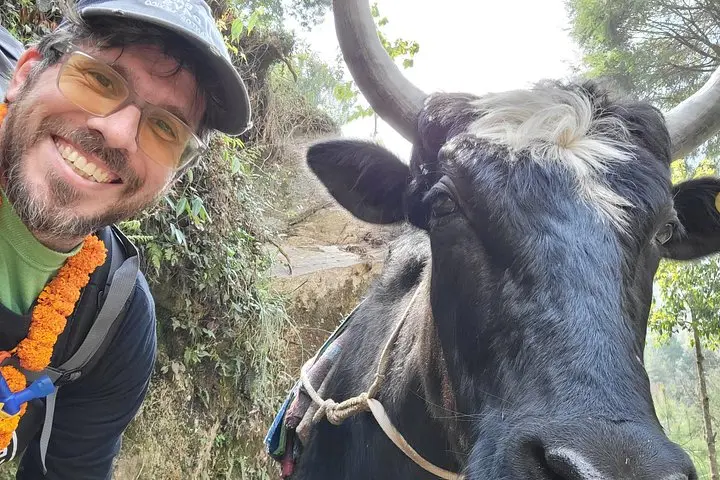
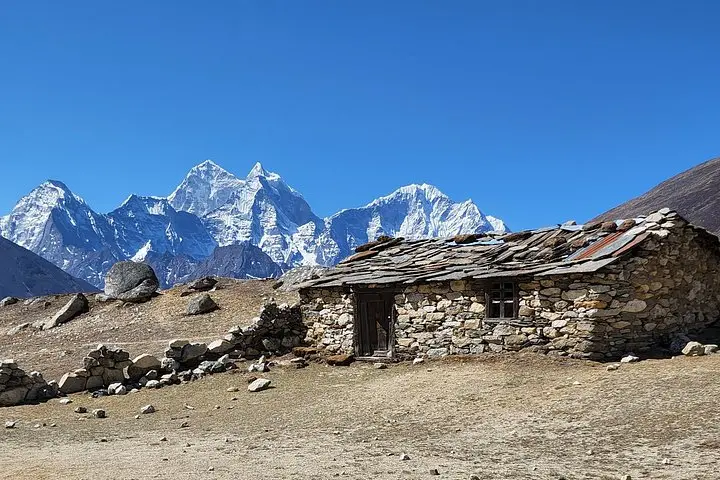
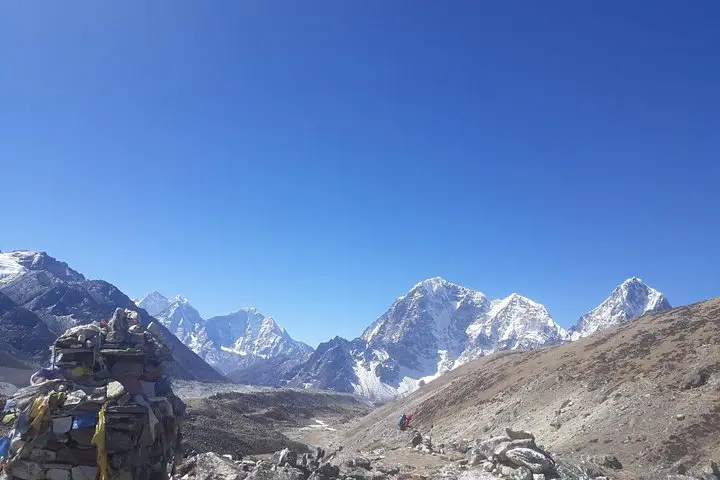
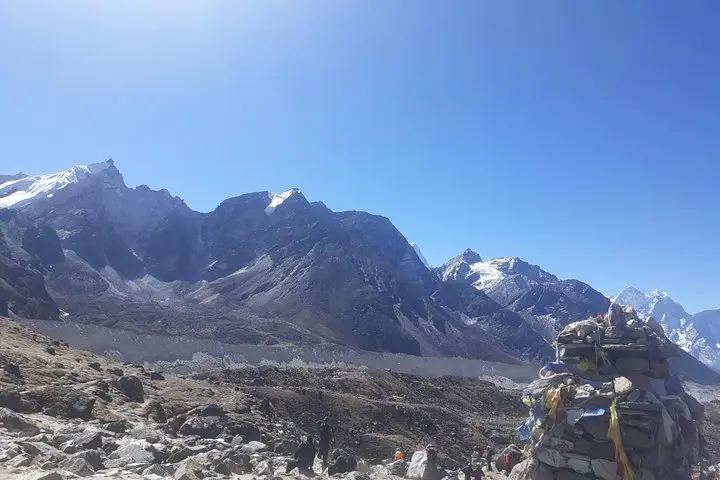
You step off the bus at Jiri and the trail immediately pulls you into a different clock: terraces and rhododendron slopes giving way to stone staircases that climb toward thinner air. Morning prayer flags snap at the ridgelines; rivers dare you to keep pace as you cross narrow suspension bridges. Over 22 days you move from 2,100 meters in Jiri to the high moraines around Gorak Shep and Kala Patthar above 5,170–5,545 meters, where Everest looms beyond the skyline like a quiet force.
You step off the bus at Jiri and the trail immediately pulls you into a different clock: terraces and rhododendron slopes giving way to stone staircases that climb toward thinner air. Morning prayer flags snap at the ridgelines; rivers dare you to keep pace as you cross narrow suspension bridges. Over 22 days you move from 2,100 meters in Jiri to the high moraines around Gorak Shep and Kala Patthar above 5,170–5,545 meters, where Everest looms beyond the skyline like a quiet force.
This route follows paths used by early Sherpa traders and mirrors the historic approach taken before Lukla's airstrip existed. Geology shifts as you ascend: fertile lower valleys, glacial tills, and the jagged seracs and moraine fields of the Khumbu Glacier. Culture is immediate—Tengboche Monastery’s chimes, Namche’s market life, and Sherpa hospitality that centers around tea, stories, and high-altitude pragmatism. The trek crosses Sagarmatha National Park, a UNESCO-protected landscape where conservation and tourism intersect.
Practically: this is a challenging, high-altitude trek requiring paced acclimatization (planned rest days in Dingboche and Namche), a steady fitness base, and flexibility for Lukla flight weather. Expect long days on stone trails and rocky moraines, daily elevation gains of several hundred meters, and basic teahouse accommodation. Carry layered clothing, water treatment, and arrange permits (TIMS and Sagarmatha NP) and a local guide or porter for safety. Plan for unpredictable weather and flight delays; the mountain will test patience as much as legs, but rewards you with close-range views of Everest, Pumori, Lhotse, and the living culture of the Khumbu.