THE ADVENTURE COLLECTIVE® · Independent discovery and booking for outdoor travel

Walk through Johannesburg’s civic heart: from the former prison at Constitution Hill to Wits University and Newtown’s arts quarter. This three-hour guided route combines public transport, museum admissions, and a local lunch for a compact, insightful primer on the city’s history and culture.
Walk through Johannesburg’s civic heart: from the former prison at Constitution Hill to Wits University and Newtown’s arts quarter. This three-hour guided route combines public transport, museum admissions, and a local lunch for a compact, insightful primer on the city’s history and culture.
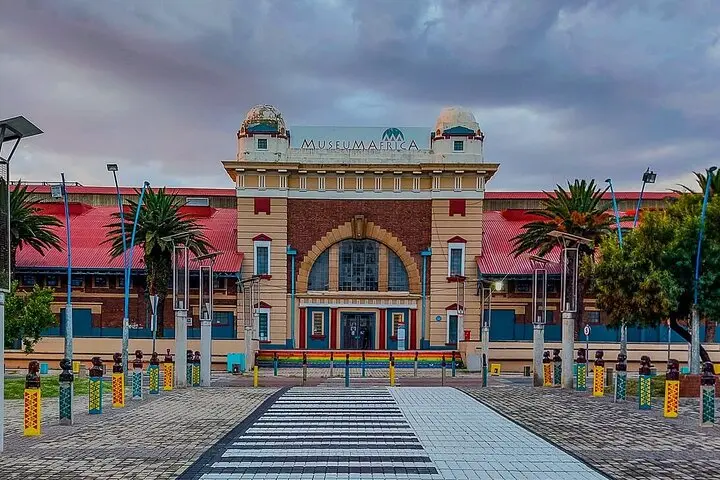
You step off the pavement in Braam Square and the city starts talking: trams of history on the rail lines, street artists rearranging a wall, and the Nelson Mandela Bridge curving like a deliberate gesture across the valley.
Verified experiences and guided adventures in the surrounding area.
Operated by SKY Travel ZA · Johannesburg, Gauteng
You step off the pavement in Braam Square and the city starts talking: trams of history on the rail lines, street artists rearranging a wall, and the Nelson Mandela Bridge curving like a deliberate gesture across the valley.
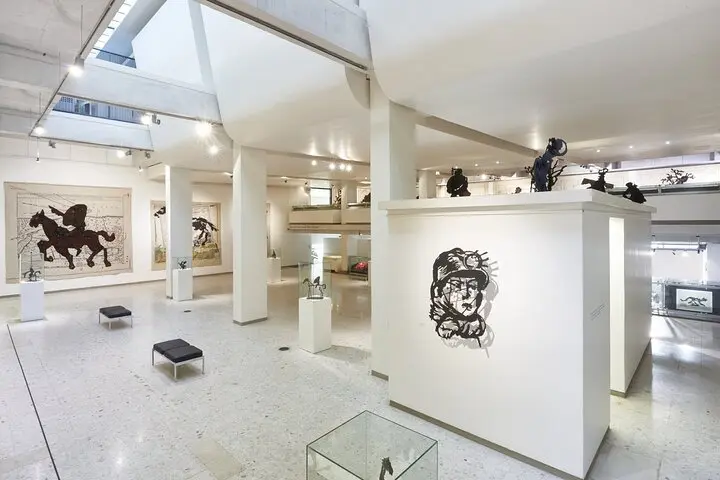
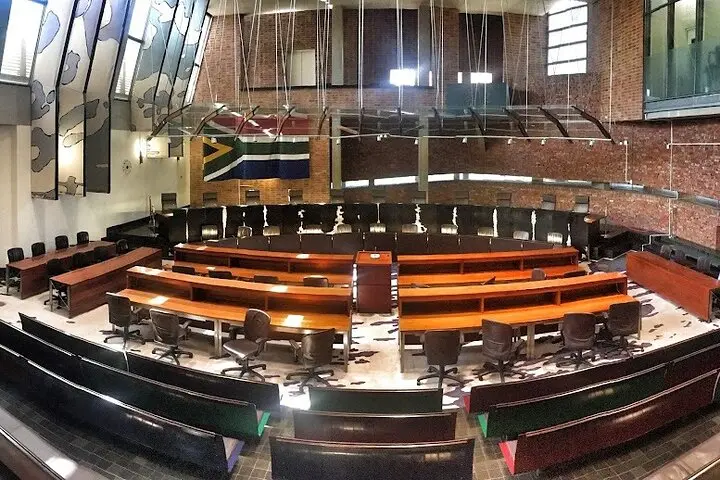
This three-hour walking circuit threads Johannesburg’s complex layers. From Constitution Hill — a colonial prison turned constitutional court — to Wits University and the Wits Art Museum, the walk juxtaposes sites of oppression and institutions of learning that helped shape South Africa’s democratic transition. Geologically, Johannesburg sits on the Witwatersrand ridge, its gold-rich reefs the reason the city rose here in the 1880s; that legacy still peeks from old warehouses in Newtown and the trades of the Oriental Plaza.
Culture in this part of town is kinetic: street-level galleries, market stalls, and theatrical venues recalling resistance-era performances. Guides use public transport for short hops, adding a local rhythm to the route while keeping the walk accessible.
Practical guidance: plan for about three hours with short museum stops — bring ID for admissions and expect moderate walking on pavement and pedestrian bridges. Wear sturdy walking shoes, sun protection, and light layers (mornings can be cool, midday warm). Lunch is included, but carry a small amount of cash for market buys and tips. The tour is rated easy physically but isn’t recommended for pregnant travelers; organizers advise staying aware of belongings in busier stretches. Start in the morning to avoid peak heat and to catch museums before crowds build. This is an urban walk that reads like a living history lesson — immediate, civic, and practical for travelers wanting context with their city stroll.
Yes—lunch is included as part of the itinerary; guides will note dietary options if you provide requirements at booking.
Many sites, including the Constitutional Court and major museum entrances, have been renovated for accessibility, but contact the operator ahead of time for specific assistance needs.
Braamfontein is walkable from nearby hotels and well served by taxis and local public transport; confirm the exact pickup/meeting location when you book.
The tour is designed with safety in mind and uses renovated, accessible stops; remain vigilant with personal items and follow your guide’s instructions in busier areas.
SKY Travel ZA operates guided outdoor trips and adventures with an emphasis on safety, stewardship, and memorable experiences.
You step off the pavement in Braam Square and the city starts talking: trams of history on the rail lines, street artists rearranging a wall, and the Nelson Mandela Bridge curving like a deliberate gesture across the valley.
You step off the pavement in Braam Square and the city starts talking: trams of history on the rail lines, street artists rearranging a wall, and the Nelson Mandela Bridge curving like a deliberate gesture across the valley.
This three-hour walking circuit threads Johannesburg’s complex layers. From Constitution Hill — a colonial prison turned constitutional court — to Wits University and the Wits Art Museum, the walk juxtaposes sites of oppression and institutions of learning that helped shape South Africa’s democratic transition. Geologically, Johannesburg sits on the Witwatersrand ridge, its gold-rich reefs the reason the city rose here in the 1880s; that legacy still peeks from old warehouses in Newtown and the trades of the Oriental Plaza.
Culture in this part of town is kinetic: street-level galleries, market stalls, and theatrical venues recalling resistance-era performances. Guides use public transport for short hops, adding a local rhythm to the route while keeping the walk accessible.
Practical guidance: plan for about three hours with short museum stops — bring ID for admissions and expect moderate walking on pavement and pedestrian bridges. Wear sturdy walking shoes, sun protection, and light layers (mornings can be cool, midday warm). Lunch is included, but carry a small amount of cash for market buys and tips. The tour is rated easy physically but isn’t recommended for pregnant travelers; organizers advise staying aware of belongings in busier stretches. Start in the morning to avoid peak heat and to catch museums before crowds build. This is an urban walk that reads like a living history lesson — immediate, civic, and practical for travelers wanting context with their city stroll.