THE ADVENTURE COLLECTIVE® · Independent discovery and booking for outdoor travel

Pair Johannesburg’s powerful human history with classic Kruger safari wildlife on a compact five-day loop. Visit Soweto, the Cradle of Humankind and then spend mornings and evenings tracking elephants and lions in Kruger.
Pair Johannesburg’s powerful human history with classic Kruger safari wildlife on a compact five-day loop. Visit Soweto, the Cradle of Humankind and then spend mornings and evenings tracking elephants and lions in Kruger.
You step out of a Sandton hotel at dawn and the city exhales—jacaranda-lined boulevards give way to the highway, and by late afternoon the flat-topped acacias of the Lowveld silhouette against a wide sky. This five-day circuit pairs Johannesburg’s concentrated human history with the loose, watchful rhythms of Kruger National Park.
Verified experiences and guided adventures in the surrounding area.
Operated by Virgio Tours · Johannesburg, Gauteng
You step out of a Sandton hotel at dawn and the city exhales—jacaranda-lined boulevards give way to the highway, and by late afternoon the flat-topped acacias of the Lowveld silhouette against a wide sky. This five-day circuit pairs Johannesburg’s concentrated human history with the loose, watchful rhythms of Kruger National Park.
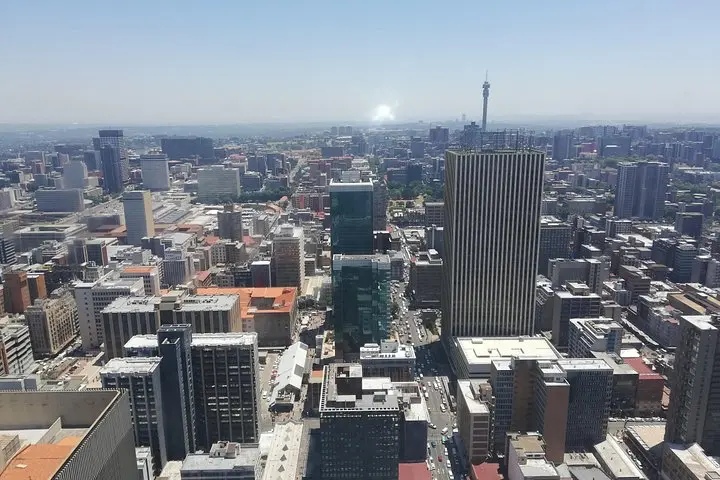
The itinerary moves fast but deliberately: Soweto’s streets and Mandela House, the Hector Pieterson Museum and the Apartheid Museum in Johannesburg offer compact, essential context on 20th-century South Africa. North of the city the Cradle of Humankind (Skerfontein caves and the Maropeng museum) explains why paleoanthropologists prize these dolomitic landscapes dotted with fossil-bearing caves.
Then the trip shifts tone as you travel roughly five hours east to Kruger. Early-morning and late-afternoon game drives are standard—expect dusty tracks, dawn silhouettes of kudu and giraffe, and targeted searches for big cats around waterholes. Evenings are framed by boma dinners and ranger briefings.
Practical notes: the road transfer is long; pack a day bag, motion-sickness remedies and layered clothing for wide diurnal swings. Malaria prophylaxis is recommended for Kruger; discuss with your doctor. Bring binoculars, a good camera with a tele lens and modest cash for park fees and gratuities. Respect museum protocols and ask guides before photographing sensitive cultural sites.
This package is ideal for travelers who want concentrated cultural education plus classic African safari wildlife viewing in one trip—efficient, informative and designed to balance human history with the rhythms of the bush.
Malaria risk exists in Kruger; consult your healthcare provider about prophylaxis and routine vaccinations well before travel.
The package includes round-trip transportation as stated; expect a roughly five-hour road transfer each way depending on stops and traffic.
Many components are wheelchair accessible and the operator lists accessibility options—confirm specific requirements at booking so arrangements can be made.
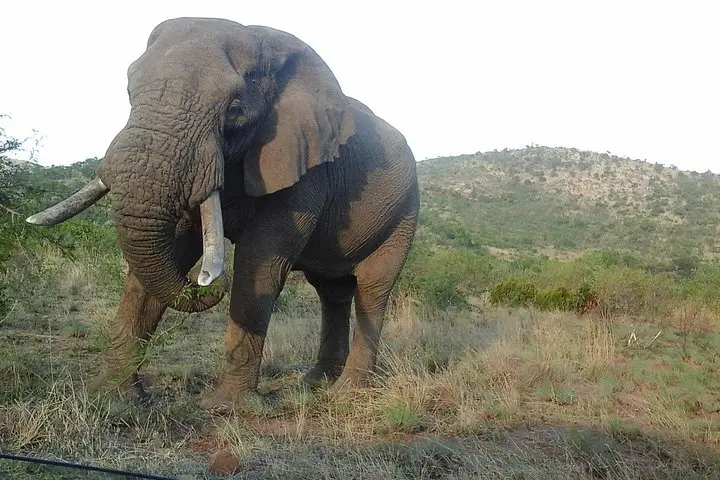
Common sightings include elephant, buffalo, giraffe, zebra and various antelope; lions and leopards are possible but never guaranteed on scheduled drives.
Virgio Tours operates guided outdoor trips and adventures with an emphasis on safety, stewardship, and memorable experiences.
You step out of a Sandton hotel at dawn and the city exhales—jacaranda-lined boulevards give way to the highway, and by late afternoon the flat-topped acacias of the Lowveld silhouette against a wide sky. This five-day circuit pairs Johannesburg’s concentrated human history with the loose, watchful rhythms of Kruger National Park.
You step out of a Sandton hotel at dawn and the city exhales—jacaranda-lined boulevards give way to the highway, and by late afternoon the flat-topped acacias of the Lowveld silhouette against a wide sky. This five-day circuit pairs Johannesburg’s concentrated human history with the loose, watchful rhythms of Kruger National Park.
The itinerary moves fast but deliberately: Soweto’s streets and Mandela House, the Hector Pieterson Museum and the Apartheid Museum in Johannesburg offer compact, essential context on 20th-century South Africa. North of the city the Cradle of Humankind (Skerfontein caves and the Maropeng museum) explains why paleoanthropologists prize these dolomitic landscapes dotted with fossil-bearing caves.
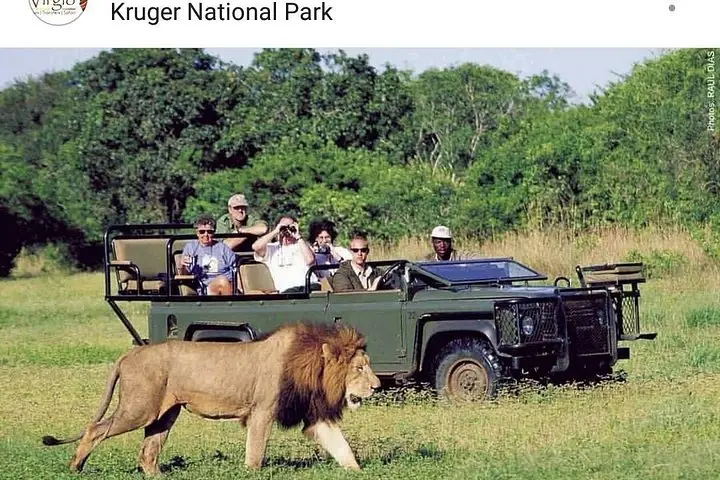
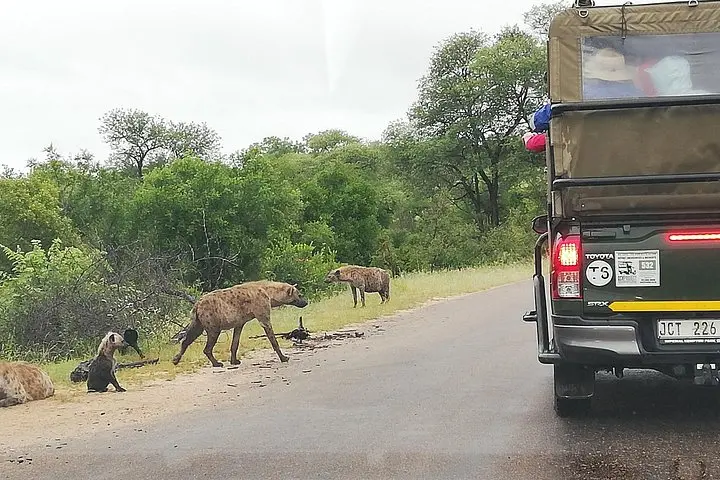
Then the trip shifts tone as you travel roughly five hours east to Kruger. Early-morning and late-afternoon game drives are standard—expect dusty tracks, dawn silhouettes of kudu and giraffe, and targeted searches for big cats around waterholes. Evenings are framed by boma dinners and ranger briefings.
Practical notes: the road transfer is long; pack a day bag, motion-sickness remedies and layered clothing for wide diurnal swings. Malaria prophylaxis is recommended for Kruger; discuss with your doctor. Bring binoculars, a good camera with a tele lens and modest cash for park fees and gratuities. Respect museum protocols and ask guides before photographing sensitive cultural sites.
This package is ideal for travelers who want concentrated cultural education plus classic African safari wildlife viewing in one trip—efficient, informative and designed to balance human history with the rhythms of the bush.