THE ADVENTURE COLLECTIVE® · Independent discovery and booking for outdoor travel

Walk under headlamps through ice-carved cathedral walls at Johnston Canyon, then move to a lake or lookout for Milky Way stargazing with hot drinks. This winter evening pairs frozen waterfalls with panoramic night skies near Banff.
Walk under headlamps through ice-carved cathedral walls at Johnston Canyon, then move to a lake or lookout for Milky Way stargazing with hot drinks. This winter evening pairs frozen waterfalls with panoramic night skies near Banff.
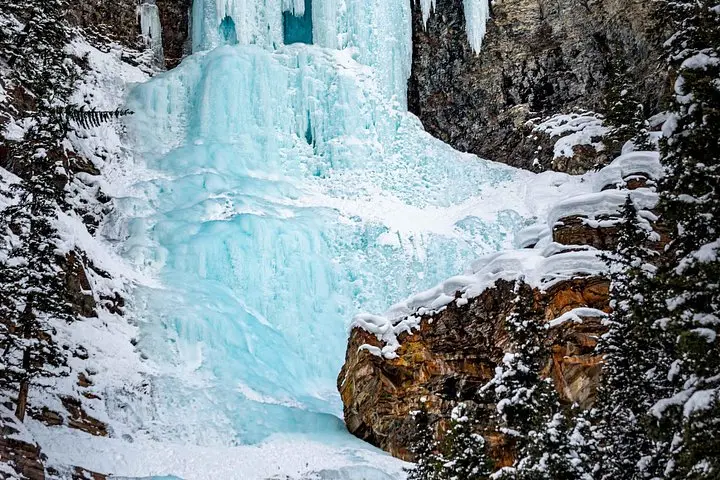
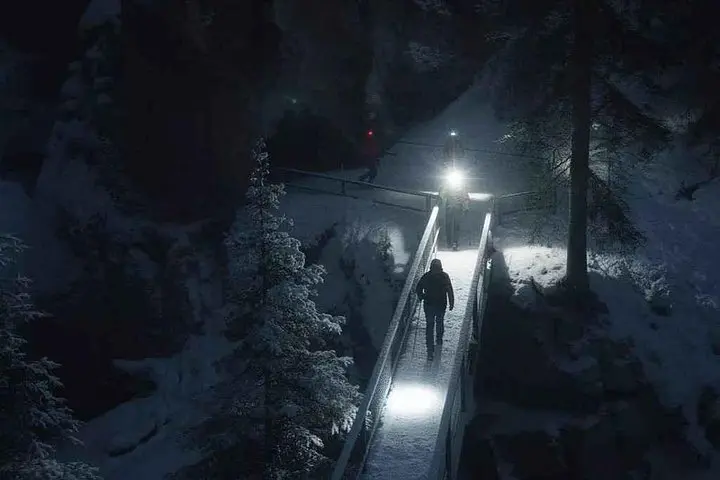
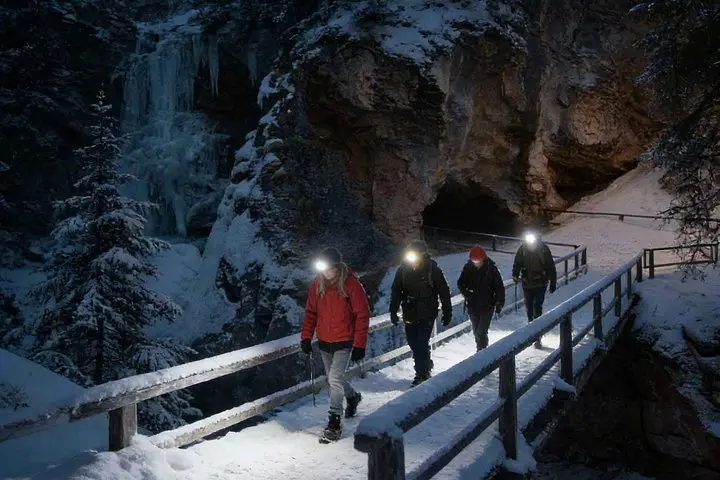
A headlamp beam cuts a path through blue ice and air so cold it sharpens every breath. On this night walk you move slowly along steel catwalks that cling to limestone walls, the canyon’s icicles catching your light like translucent daggers. Away from the day-tour crowds the gorge speaks in creaks and distant water; the falls are visible as towering, frozen sculptures you can approach without the hum of buses.
Verified experiences and guided adventures in the surrounding area.
Operated by Radventures · Banff, Alberta
A headlamp beam cuts a path through blue ice and air so cold it sharpens every breath. On this night walk you move slowly along steel catwalks that cling to limestone walls, the canyon’s icicles catching your light like translucent daggers. Away from the day-tour crowds the gorge speaks in creaks and distant water; the falls are visible as towering, frozen sculptures you can approach without the hum of buses.
Johnston Canyon runs off Johnston Creek, a route the last ice age carved through Paleozoic carbonate rock. The trail infrastructure dates to early park development, but the canyon’s dramatic ice formations are seasonal works of geology and weather—thin rims can build into cathedral-like faces that draw both walkers and ice climbers. Cultural history here is tied to Banff’s rise as Canada’s first national park and the railway era that opened these mountains to visitors.
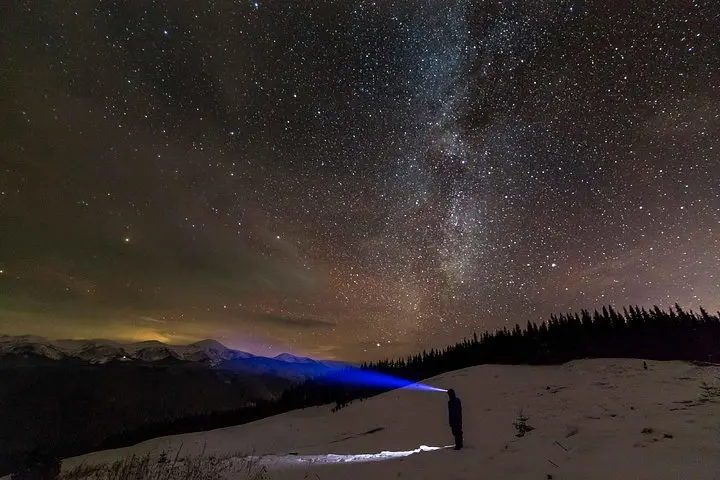
After the canyon segment the excursion moves to an open vantage—Vermilion Lakes or a Mount Norquay overlook—where mountain silhouettes frame the Milky Way. Guides hand out hot drinks and point out constellations while the sky seems to push its way closer, aurora potential included on stronger nights.
Practical notes: expect icy surfaces, bring a warm, windproof outer layer, and use provided crampons for traction. The main walk is short (about 1.2 km one way to Lower Falls) but extends to the Upper Falls for a longer 2–2.5 hour outing. Photographers should plan for long exposures and steady tripods; everyone should be prepared for subzero temps and limited restroom access.
Yes—guides supply crampons/ice cleats and optional hiking poles before entering the canyon.
The Lower Falls route is an easy 1.2 km (30 minutes) each way with modest elevation; extending to Upper Falls makes the round trip about 2–2.5 hours and is rated moderate.
Children under 5 are not permitted; older children should be steady on icy surfaces and dressed for winter conditions.
Stargazing depends on clear skies and low light; Vermilion Lakes or higher lookouts offer strong Milky Way views—aurora sightings are possible but not guaranteed.
Radventures operates guided outdoor trips and adventures with an emphasis on safety, stewardship, and memorable experiences.
A headlamp beam cuts a path through blue ice and air so cold it sharpens every breath. On this night walk you move slowly along steel catwalks that cling to limestone walls, the canyon’s icicles catching your light like translucent daggers. Away from the day-tour crowds the gorge speaks in creaks and distant water; the falls are visible as towering, frozen sculptures you can approach without the hum of buses.
A headlamp beam cuts a path through blue ice and air so cold it sharpens every breath. On this night walk you move slowly along steel catwalks that cling to limestone walls, the canyon’s icicles catching your light like translucent daggers. Away from the day-tour crowds the gorge speaks in creaks and distant water; the falls are visible as towering, frozen sculptures you can approach without the hum of buses.
Johnston Canyon runs off Johnston Creek, a route the last ice age carved through Paleozoic carbonate rock. The trail infrastructure dates to early park development, but the canyon’s dramatic ice formations are seasonal works of geology and weather—thin rims can build into cathedral-like faces that draw both walkers and ice climbers. Cultural history here is tied to Banff’s rise as Canada’s first national park and the railway era that opened these mountains to visitors.
After the canyon segment the excursion moves to an open vantage—Vermilion Lakes or a Mount Norquay overlook—where mountain silhouettes frame the Milky Way. Guides hand out hot drinks and point out constellations while the sky seems to push its way closer, aurora potential included on stronger nights.
Practical notes: expect icy surfaces, bring a warm, windproof outer layer, and use provided crampons for traction. The main walk is short (about 1.2 km one way to Lower Falls) but extends to the Upper Falls for a longer 2–2.5 hour outing. Photographers should plan for long exposures and steady tripods; everyone should be prepared for subzero temps and limited restroom access.