THE ADVENTURE COLLECTIVE® · Independent discovery and booking for outdoor travel

Descend into Jomblang’s vertical shaft to catch the famed ‘heaven’s light,’ then trade karst ridges for the raw coast of Timang Beach and its lobster gondola. This full-day from Yogyakarta blends technical cave descent with seaside geology and local fishing culture.
Descend into Jomblang’s vertical shaft to catch the famed ‘heaven’s light,’ then trade karst ridges for the raw coast of Timang Beach and its lobster gondola. This full-day from Yogyakarta blends technical cave descent with seaside geology and local fishing culture.
You step out of the air-conditioned van into a humid bowl of limestone and tropical scrub; a narrow trail winds to a vertical mouth where sunlight threads down like a column, daring you to look over the edge. The descent into Jomblang Cave is immediate and theatrical—ropes, harnesses and instructors steer you through an 60–80m drop into an ancient forest that survives in the shaft’s shadow. That shaft’s “heaven’s light” is the day’s cinematic moment: sunlight punching through a hollowed ceiling to spotlight ferns and orchids.
Verified experiences and guided adventures in the surrounding area.
Operated by Daw jogja · Yogyakarta, Special Region of Yogyakarta
You step out of the air-conditioned van into a humid bowl of limestone and tropical scrub; a narrow trail winds to a vertical mouth where sunlight threads down like a column, daring you to look over the edge. The descent into Jomblang Cave is immediate and theatrical—ropes, harnesses and instructors steer you through an 60–80m drop into an ancient forest that survives in the shaft’s shadow. That shaft’s “heaven’s light” is the day’s cinematic moment: sunlight punching through a hollowed ceiling to spotlight ferns and orchids.
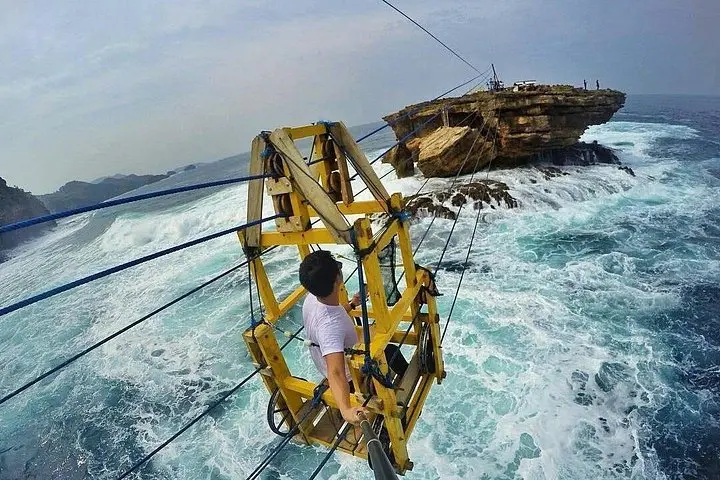
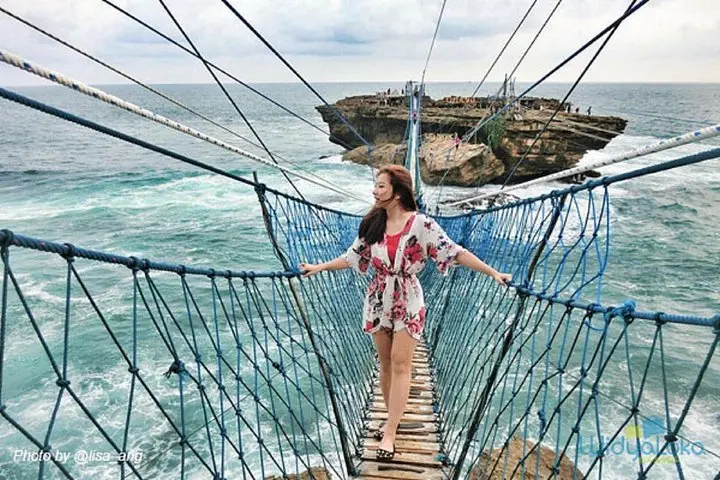
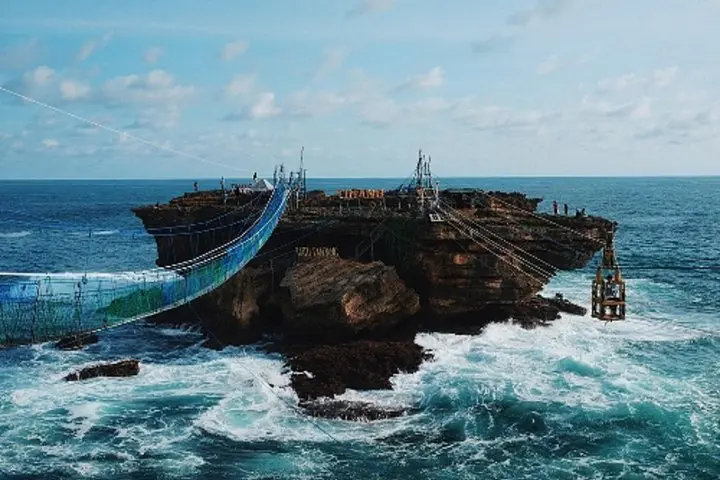
Geologically, Jomblang is a collapsed karst sinkhole carved from Javanese limestone over millennia; the cave’s microclimate shelters species and speleothems less disturbed than surface forest. Culturally, the area sits in Gunungkidul, a coastal regency where limestone ridgelines meet fishing communities—Timang Beach still operates with small-scale lobster hunters who use a hand-built gondola to reach Watu Panjang island.
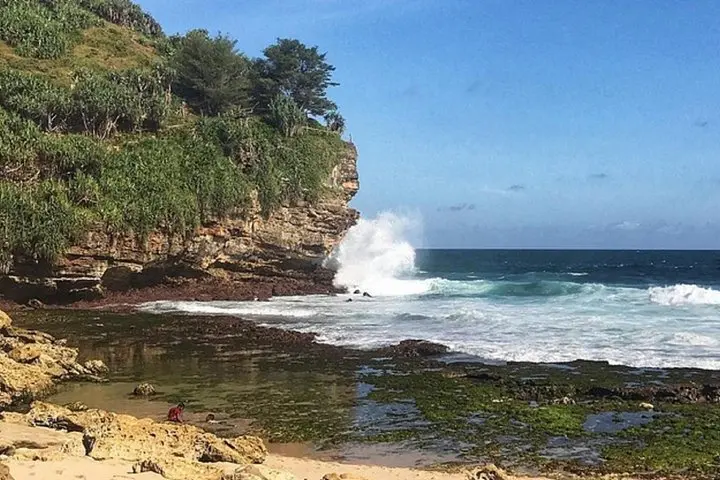
After the cave, the tour flips to coastal geology and hands-on local life: jagged rock shelves, a wooden cable car, and white sand backed by windswept cliffs. Expect uneven terrain, wet steps, and salty spray.
Practical guidance: be prepared for a physically demanding day—comfortable hiking shoes with grip, gloves for the descent, sun protection at the beach, and a small daypack. Follow guides’ safety briefings exactly; the cave descent uses technical gear managed by instructors, but you must be steady on your feet and comfortable with heights. Hydrate before departure and carry a waterproof pouch for electronics—the cave’s light is worth the effort.
The descent uses harnesses and instructor-controlled ropes; it’s physically demanding due to vertical height and awkward footing—participants should be steady on their feet and free of serious back, heart, or pregnancy-related conditions.
No prior experience is required; guides provide equipment and a briefing and manage the rappel, but you must be comfortable following instructions and being lowered vertically.
Bring a small backpack, sun protection, and sturdy shoes; the gondola is a short, hands-on ride to a rocky outcrop—items should be secure and water-resistant.
Most operators provide hotel pickup early morning (around 06:00) and return by evening; confirm exact pickup point and include flight arrival details if you need transfers to or from the airport.
Daw jogja operates guided outdoor trips and adventures with an emphasis on safety, stewardship, and memorable experiences.
You step out of the air-conditioned van into a humid bowl of limestone and tropical scrub; a narrow trail winds to a vertical mouth where sunlight threads down like a column, daring you to look over the edge. The descent into Jomblang Cave is immediate and theatrical—ropes, harnesses and instructors steer you through an 60–80m drop into an ancient forest that survives in the shaft’s shadow. That shaft’s “heaven’s light” is the day’s cinematic moment: sunlight punching through a hollowed ceiling to spotlight ferns and orchids.
You step out of the air-conditioned van into a humid bowl of limestone and tropical scrub; a narrow trail winds to a vertical mouth where sunlight threads down like a column, daring you to look over the edge. The descent into Jomblang Cave is immediate and theatrical—ropes, harnesses and instructors steer you through an 60–80m drop into an ancient forest that survives in the shaft’s shadow. That shaft’s “heaven’s light” is the day’s cinematic moment: sunlight punching through a hollowed ceiling to spotlight ferns and orchids.
Geologically, Jomblang is a collapsed karst sinkhole carved from Javanese limestone over millennia; the cave’s microclimate shelters species and speleothems less disturbed than surface forest. Culturally, the area sits in Gunungkidul, a coastal regency where limestone ridgelines meet fishing communities—Timang Beach still operates with small-scale lobster hunters who use a hand-built gondola to reach Watu Panjang island.
After the cave, the tour flips to coastal geology and hands-on local life: jagged rock shelves, a wooden cable car, and white sand backed by windswept cliffs. Expect uneven terrain, wet steps, and salty spray.
Practical guidance: be prepared for a physically demanding day—comfortable hiking shoes with grip, gloves for the descent, sun protection at the beach, and a small daypack. Follow guides’ safety briefings exactly; the cave descent uses technical gear managed by instructors, but you must be steady on your feet and comfortable with heights. Hydrate before departure and carry a waterproof pouch for electronics—the cave’s light is worth the effort.