THE ADVENTURE COLLECTIVE® · Independent discovery and booking for outdoor travel

Descend a harnessed 60–80m shaft into an underground forest and later explore Prambanan’s 9th-century Hindu spires on this full-day private tour from Yogyakarta. Expect guide-assisted rope work, damp rock halls and prime morning light for photography.
Descend a harnessed 60–80m shaft into an underground forest and later explore Prambanan’s 9th-century Hindu spires on this full-day private tour from Yogyakarta. Expect guide-assisted rope work, damp rock halls and prime morning light for photography.
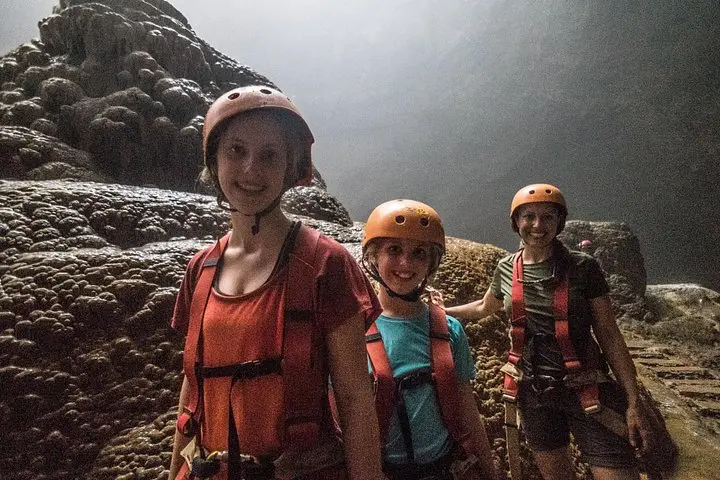
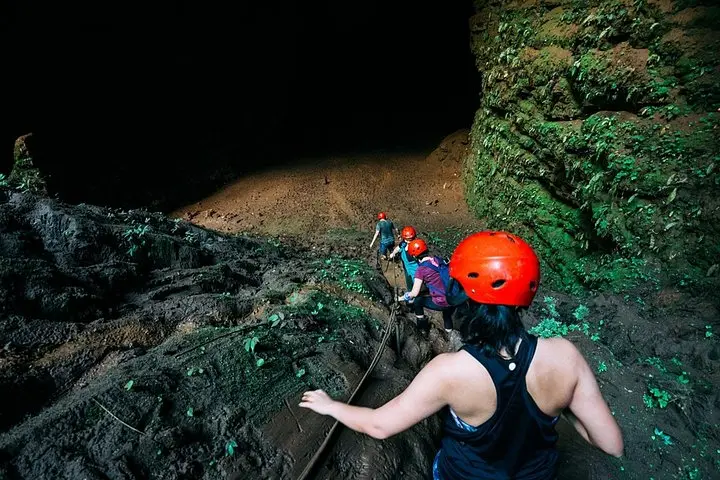
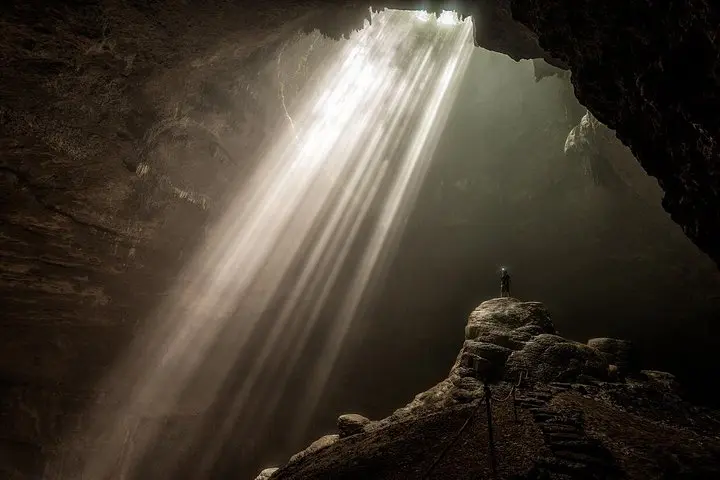
Morning light slices through a circular mouth and the air cools as you are lowered into a green-walled shaft — this is Jomblang’s famous vertical cave. The first half of the day is a guided, harnessed descent into a cavernous chamber where an underground forest drinks the sun through a hole high above; later you walk through carved rock halls to reach the ‘Light of Heaven.’
Verified experiences and guided adventures in the surrounding area.
Operated by Lovely Borobudur Tours By Asni · Yogyakarta, Special Region of Yogyakarta
Morning light slices through a circular mouth and the air cools as you are lowered into a green-walled shaft — this is Jomblang’s famous vertical cave. The first half of the day is a guided, harnessed descent into a cavernous chamber where an underground forest drinks the sun through a hole high above; later you walk through carved rock halls to reach the ‘Light of Heaven.’
Geology here is karst: soluble limestone eroded over millennia to produce sinkholes, vertical shafts and caverns. The underground grove survives because a narrow skylight channels sunlight and moisture, allowing trees to thrive below ground. After caving, the day turns outward to Prambanan, the largest Hindu temple complex in Indonesia, built between the 8th–10th centuries and notable for its towering pointed shrines, relief panels and ceremonial layout.
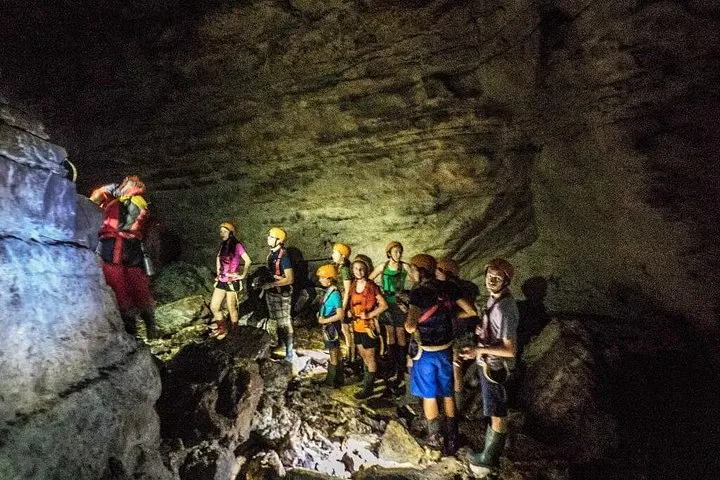
Expect a full-day rhythm: early pickup from Yogyakarta, safety briefing, harnessed 60–80m descent, a 300m stroll through cave halls, then lunch and a late-afternoon visit to Prambanan. Guides handle technical ropework; travelers should be mobile, comfortable with uneven steps, and ready for damp, dusty conditions.
Practical: bring a change of clothes, headlamp for photos, and bottled water; footwear with grip is essential. Time your visit for morning light in the cave (best for the skylight effect) and allow extra time for hotel transfers across Yogyakarta. Respect temple dress codes at Prambanan and follow guides’ instructions in fragile cave passages to protect both landscape and fellow visitors.
No — the descent is fully guide-assisted with harnesses and ropes; guides train and secure participants before lowering.
Yes — this itinerary is designed as a full-day tour combining the morning cave activity with an afternoon visit to Prambanan and returns to Yogyakarta the same evening.
Participants should have moderate fitness; the operator advises against travel for those with serious back, heart conditions, or pregnancy and children must be accompanied by adults.
A camera that performs in low light, extra batteries, and a waterproof casing; tripods are often impractical inside the cave.
Lovely Borobudur Tours By Asni operates guided outdoor trips and adventures with an emphasis on safety, stewardship, and memorable experiences.
Morning light slices through a circular mouth and the air cools as you are lowered into a green-walled shaft — this is Jomblang’s famous vertical cave. The first half of the day is a guided, harnessed descent into a cavernous chamber where an underground forest drinks the sun through a hole high above; later you walk through carved rock halls to reach the ‘Light of Heaven.’
Morning light slices through a circular mouth and the air cools as you are lowered into a green-walled shaft — this is Jomblang’s famous vertical cave. The first half of the day is a guided, harnessed descent into a cavernous chamber where an underground forest drinks the sun through a hole high above; later you walk through carved rock halls to reach the ‘Light of Heaven.’
Geology here is karst: soluble limestone eroded over millennia to produce sinkholes, vertical shafts and caverns. The underground grove survives because a narrow skylight channels sunlight and moisture, allowing trees to thrive below ground. After caving, the day turns outward to Prambanan, the largest Hindu temple complex in Indonesia, built between the 8th–10th centuries and notable for its towering pointed shrines, relief panels and ceremonial layout.
Expect a full-day rhythm: early pickup from Yogyakarta, safety briefing, harnessed 60–80m descent, a 300m stroll through cave halls, then lunch and a late-afternoon visit to Prambanan. Guides handle technical ropework; travelers should be mobile, comfortable with uneven steps, and ready for damp, dusty conditions.
Practical: bring a change of clothes, headlamp for photos, and bottled water; footwear with grip is essential. Time your visit for morning light in the cave (best for the skylight effect) and allow extra time for hotel transfers across Yogyakarta. Respect temple dress codes at Prambanan and follow guides’ instructions in fragile cave passages to protect both landscape and fellow visitors.